
I bought a bag off a resale app about a year ago that was listed as genuine leather, paid $340 for it, and watched the corners start peeling like a bad sunburn within three months. That was the last time I trusted a listing description without checking the material myself. Since then I’ve run the same four tests on every leather bag that’s come through my hands, whether it’s a designer resale purchase or something I’m helping a friend authenticate before she buys it secondhand. If you’ve typed real vs fake leather bag into Google hoping for a straight answer instead of a vague checklist, here it is: four tests that show you how to tell if leather is real or fake, the order I actually run them in now, and what happens when a bag passes some of them and fails others, because that happens more than any guide admits.
The Texture Test: What Your Hands Know Before Your Eyes Do
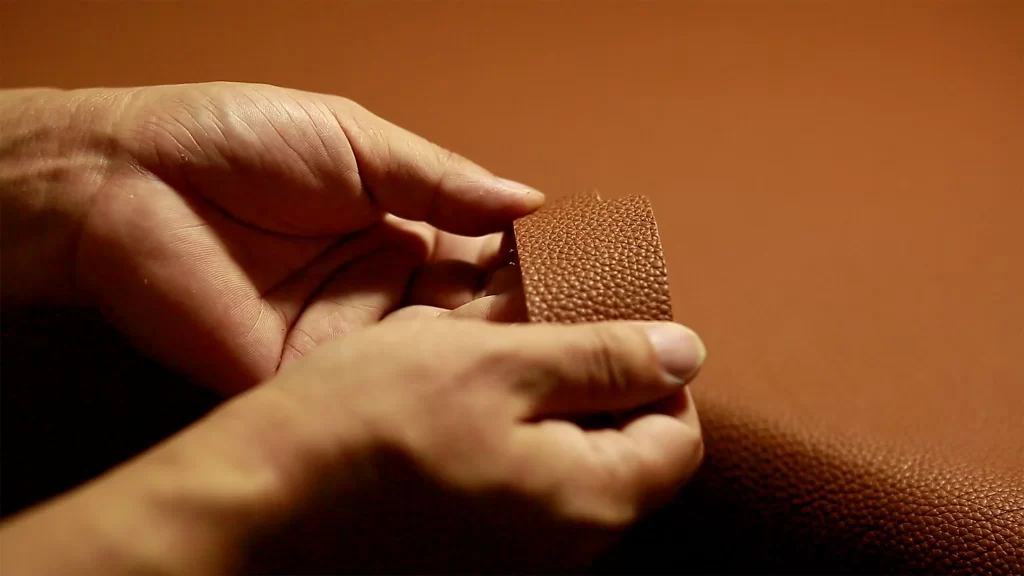
I start with texture now, not smell, because it’s the test that’s fooled me the least. Press a small section of the leather between your thumb and finger. Real leather wrinkles the way skin does. You’ll see fine lines form and fade as you release the pressure, and the surface will feel slightly uneven under your fingers even on a bag that looks perfectly smooth from a foot away. Fake leather tends to spring back flat almost instantly instead, almost too fast, like pressing a balloon.
The back of the material tells you even more than the front does. Flip the bag inside out at a seam if you can, or check the strap where it attaches to the body. Genuine leather has a suede like, fibrous back, sometimes called the flesh side, and it looks nothing like the finished front. If the back looks identical to the front, glossy, uniform, and clearly the same material printed straight through, you’re holding something synthetic no matter what the front convinced you of a minute ago.
I got caught out by this exact test once, on a bag I was genuinely excited about. The front passed everything. It wrinkled correctly and had a natural grain with tiny irregular marks. I didn’t check the back because I was in a hurry at a flea market stall and didn’t want to look rude peeling the lining back in front of the seller. Got it home, found a small tear near the zipper, and the backing underneath was a woven fabric mesh, not leather fiber at all. It was bonded leather, real leather scraps ground down and glued onto a fabric base, which is technically leather but not what most people picture when they hear the word. Lesson learned: check the back every time, even when the front has already won you over.
The Symbol and Label Test: What “Genuine Leather” Actually Means
This is the test most people skip because they assume the tag settles it. It doesn’t, not by itself. In the US, the FTC’s Guides for Select Leather and Imitation Leather Products require sellers to disclose when a material only looks like leather but isn’t, so a label reading pleather, vegan leather, or PU leather is doing exactly what it’s supposed to. The real confusion starts with the word genuine.
Genuine leather is a real, legally accurate term, and it also happens to be the lowest tier of actual animal hide leather you can buy. It sits below full grain and top grain in quality, made from the lower, less durable layers of the hide after the best part has been split off for pricier products. So, is 100% genuine leather real leather? Technically, yes. Is it the good stuff? Usually not. A tag proudly announcing 100% genuine leather is telling you the material came from an animal, not that it’s built to last.
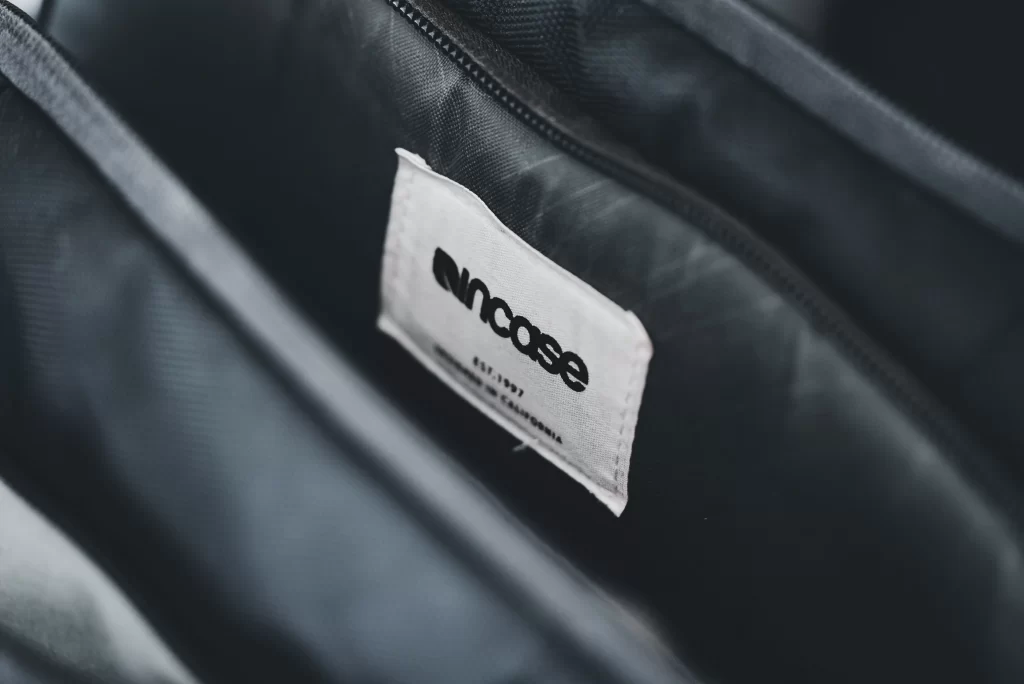
Check for a country of origin stamp, a material composition tag sewn into a seam, and any symbol that looks like a hide silhouette, which is the closest thing the industry has to a universal genuine leather symbol, though it shows up far more consistently on shoes than on bags. If none of that exists anywhere on the bag, that absence is itself worth noting. Legitimate leather goods almost always carry some kind of material disclosure, even if it’s a small swing tag that got cut off and needs to be confirmed with the seller directly.
The Smell Test: Useful, Just Not First Anymore
Here’s my contrarian take, and I’ll defend it. The smell test is the one every guide leads with, and I think that’s backwards. Real leather has a warm, faintly sweet, slightly animal smell that’s genuinely hard to fake well. Cheap synthetic leather smells like a shower curtain or a new car interior, sharp and chemical. That part is true, and it does work.
The problem is that smell degrades as a reliable signal faster than the other three tests do. A bag that’s been sitting in a climate controlled warehouse, wrapped in plastic, or recently treated with a leather conditioner can smell muted or altered even when it’s completely genuine. I’ve handled real leather bags that barely smelled like anything, and I’ve also come across a convincingly scented fake that someone had clearly sprayed with a leather scented product before listing it, which is a real thing you can buy online for around ten dollars. Once I found out that existed, I stopped trusting my nose as the deciding factor for anything.
Use smell as a supporting signal, not the verdict. If texture and the label both check out and the bag smells right too, that’s a strong combination. If the bag smells amazing but fails the texture test, trust the texture test.
The Price Test: When the Number Itself Is the Tell
This one feels obvious until you’re standing in front of a bag you really want, and suddenly the math gets fuzzy. Genuine leather, cut, tanned, and constructed into a finished bag, has a real production floor. A full grain leather tote that’s genuinely handmade cannot be produced and sold profitably for fifteen dollars, no matter what the listing claims about a factory closeout or an overstock deal. If the price doesn’t cover the cost of the raw material alone, something in the description is wrong.
That gap is exactly what gets people burned when they’re shopping resale platforms for designer pieces specifically, since the price test works differently for a two thousand dollar handbag than it does for a sixty dollar crossbody from a mall brand. If you’re specifically hunting for pre owned designer bags, it’s worth knowing which platforms actually authenticate before listing rather than after a dispute, since that changes how much weight you need to put on your own testing. I put together a full breakdown of where to buy authentic pre owned designer bags if that’s the situation you’re in, since the safest move is often picking the right platform before you ever get to the point of running these four tests yourself.
Faux Leather Isn’t Automatically Bad
I want to push back on something before we go further, because most guides built around spotting fakes accidentally make faux leather sound like a scam every single time, and that’s not accurate. There’s a real difference between a bag mislabeled as genuine leather to trick you into paying more, and a bag that’s openly, honestly made from faux leather and priced accordingly. Only one of those is actually the problem.
Good faux leather, the kind made from quality polyurethane rather than the stiffer, cheaper PVC, can be genuinely durable. It resists water better than untreated genuine leather, it doesn’t need conditioning, and it won’t develop the kind of scarring that comes from a hide’s natural imperfections if that’s not the look you’re going for. Is faux leather considered stylish right now, or does it just look like a downgrade? Genuinely stylish. Vegan leather has moved from a niche ethical choice into a mainstream one, and plenty of the bags showing up in current fashion coverage are proudly synthetic rather than hiding it.
Durability is the real question mark, and it depends entirely on quality rather than the category itself. A cheap PVC bag can start peeling and cracking within a year of regular use, especially anywhere it flexes constantly, like the base or the handle attachment points. A well made polyurethane bag from a brand that’s transparent about materials can genuinely hold up for years with normal care. The tanneries that produce genuine leather responsibly go through independent audits too. The Leather Working Group is the main body doing that certification work, and it’s worth knowing that real doesn’t automatically mean responsibly made any more than faux automatically means cheap. Are faux leather bags worth buying? If you’ve found one that’s honest about what it is and built well, yes, without hesitation.
How Long Faux Leather Actually Lasts
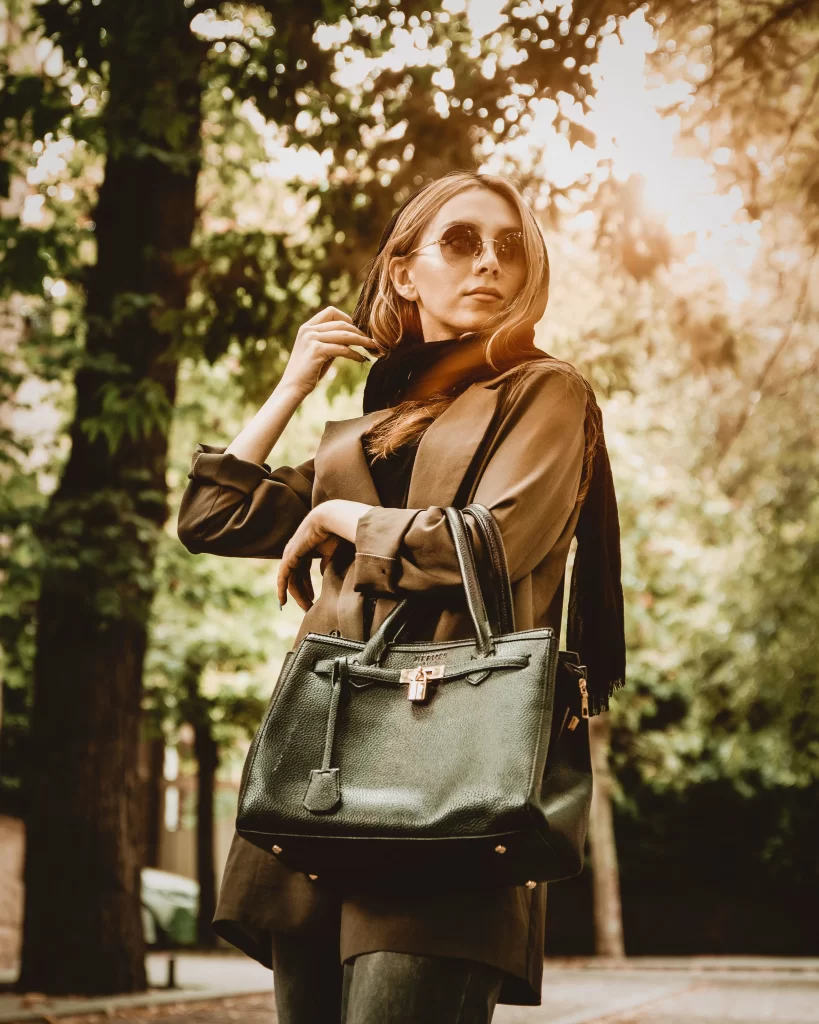
If you’re weighing faux against real specifically for lifespan, here’s the honest range from testing and comparing bags over the past year. A budget faux leather bag under about forty dollars will usually start showing wear, cracking at fold points, peeling at corners, within one to two years of regular use. A genuinely good quality polyurethane bag from a brand that invests in the material can hold up for three to five years before it starts to show its age. Genuine leather, cared for properly, will often outlast both, sometimes by a decade or more, and it tends to age into a patina rather than simply degrading.
None of that means you should default to real leather every time. If you’re not going to condition it, store it properly, or keep it out of the rain, a well made faux leather bag will actually outlast a neglected genuine one. The material only wins if you treat it the way it needs to be treated.
What to Do When a Bag Passes Some Tests and Fails Others
This happens constantly, more than any clean checklist suggests. Here’s how I weigh it now. Texture and the back of the material carry the most weight, since those are the hardest for a manufacturer to fake convincingly at low cost. The symbol and label test comes next, mainly because it tells you what the seller is actually claiming, which matters even when the claim turns out to be wrong. Smell and price are supporting evidence, useful for building confidence but not enough on their own to make the final call either way.
If a bag fails the texture test outright, I don’t need the other three. If it’s a close call on texture but everything else checks out, that’s when I’ll ask a seller for close up photos of the back of the material and the stitching before committing, or walk away from an in person purchase rather than talk myself into it. I’ve written more specifically about counterfeit designer bags, covering signs beyond just the material itself, in this guide to spotting a fake designer bag, which pairs well with everything above if you’re authenticating a specific brand rather than just the leather itself.
Frequently Asked Questions
Is 100% genuine leather actually real leather?
Yes. Genuine leather is real animal hide, but it’s the lowest grade of real leather, made from the layers left over after the higher quality full grain and top grain sections are split away. It’s real, just not premium.
What’s the fastest way to tell if leather is real or fake?
The texture test. Press a section between your fingers and watch for natural wrinkling that fades slowly. Fake leather tends to spring back flat almost instantly.
Does faux leather have a smell at all?
Usually, yes, but it’s a chemical or plastic smell rather than the warm, faintly sweet smell of genuine leather. Some faux leather is scented artificially to mimic real leather now, so smell alone isn’t as reliable as it used to be.
Is faux leather considered stylish right now, or does it look cheap?
It’s genuinely on trend. Vegan and faux leather bags show up regularly in current fashion coverage, and quality faux leather no longer reads as an obvious downgrade the way it often did in the past.
Are faux leather bags actually worth buying?
Yes, if the bag is honest about what it’s made from and built from quality polyurethane rather than cheap PVC. The problem was never faux leather itself. It’s mislabeling faux leather as real that causes the trouble.
The Bottom Line
I still run all four tests on every bag now, texture first, then the label, then smell and price as supporting evidence rather than the main event. It takes about two minutes once you’ve done it a handful of times, and it’s saved me from at least three bad purchases I can specifically remember.
The bigger shift for me wasn’t learning the tests themselves. It was realizing that real versus fake isn’t actually the question that matters most. Honest versus mislabeled is. A great faux leather bag that’s upfront about what it is will treat you better than a genuine leather bag you overpaid for because someone lied about the grade. Run the tests, trust your hands over the listing description, and buy the bag that’s honest about itself either way.