
Seven bags came out of my closet this spring: a Coach crossbody I’d carried through four years of grad school, three totes I no longer reached for, a Kate Spade with a broken zipper pull, and two designer pieces that just did not match how I dress anymore. Instead of picking one resale site and hoping for the best, I sold one bag through each of the places people ask about most when they search where to sell your designer bags, then wrote down exactly what happened. Real payouts, real wait times, and one experience that genuinely soured me on a platform everyone else recommends first. Here is what actually happened with The RealReal, Fashionphile, Vestiaire Collective, Poshmark, eBay, a local consignment shop, and a pawn shop, plus what I’d tell a friend who wants to skip my mistakes.
Every fee and percentage below reflects what each platform was charging when I ran this test in 2026. Resale fees change more often than any of these companies advertise, so confirm the current rate before you commit a bag to any one of them.
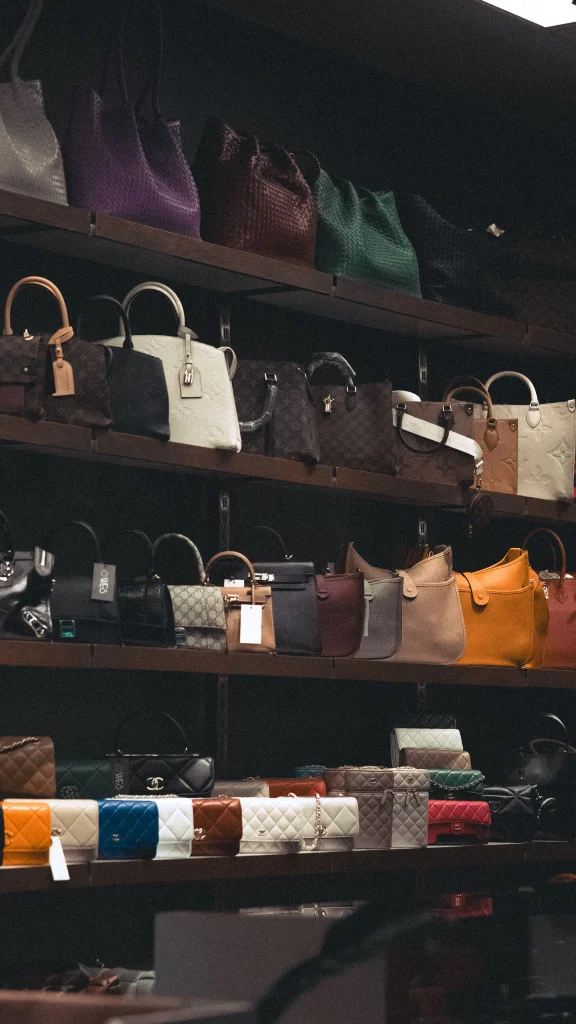
The RealReal: Highest Profile, Not the Smoothest Experience
The RealReal is the name almost everyone mentions first, and it genuinely is the biggest marketplace for pre owned luxury. It was also the platform that disappointed me most out of all seven.
I sent the Kate Spade with the broken zipper pull here, since The RealReal accepts a wider range of condition than some of the others. This runs on consignment, meaning you get paid only once the bag actually sells, and the company sets the price using its own internal data rather than letting you pick the number. Their own site advertises that consignors can keep up to 85 percent of the sale price, with most items selling within about 30 days.
What happened for me was less clean. My bag sold in three weeks, but the payout landed noticeably below that “up to 85 percent” headline, closer to what plenty of other sellers describe online: commission somewhere between 25 and 40 percent depending on the item’s price tier and category, not one flat rate. I also had a shipment sit unconfirmed in their system for a few extra days, which meant wondering if it had gotten lost, a complaint I have since seen echoed by other sellers too. If you want the widest possible buyer pool and do not mind losing control over pricing, it is still worth trying. Just do not treat the best case number on their site as the number you will actually see.
Fashionphile: The Fastest Real Money I Got
If getting paid quickly matters more than squeezing out the highest possible number, Fashionphile is the one I would send a friend to first.
I brought one of the three totes here through their online quote tool, photographed on my kitchen table under a lamp because the app is picky about lighting, and had an offer back in about four minutes. Fashionphile buys bags outright as well as offering consignment. On the buyout side you get an immediate cash offer and get paid within days of them receiving and confirming the bag. Consignment fees run 30 percent of the sale price up to $3,000, dropping to 15 percent on anything above that, so you keep 70 to 85 percent depending on price.
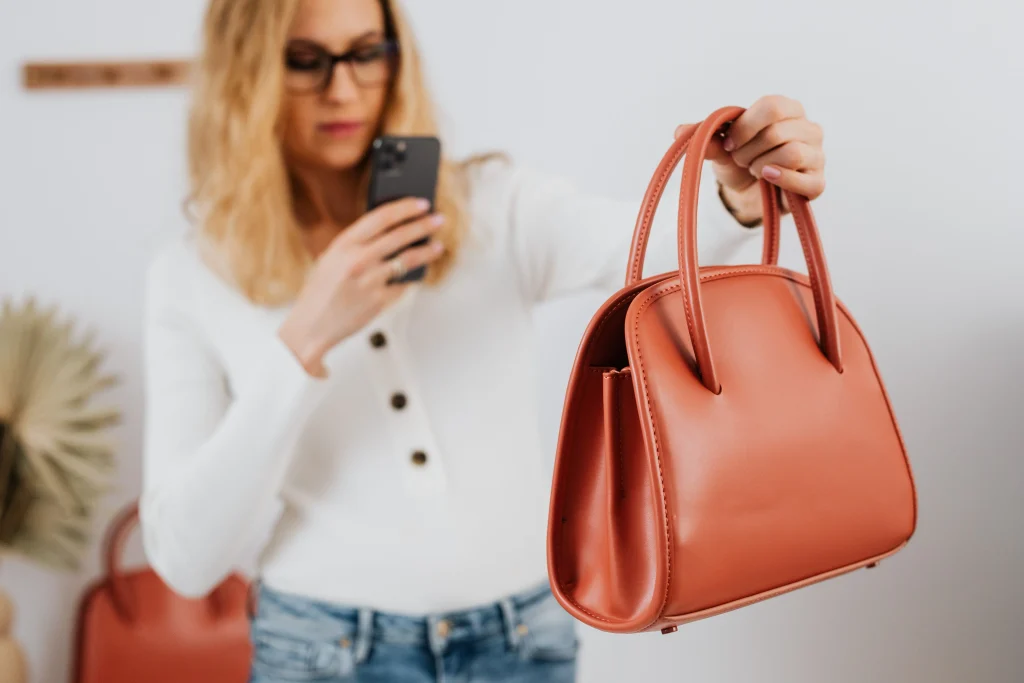
I took the buyout offer because I wanted the bag gone and the money that week, and I will say plainly, the number came in lower than what I might have gotten on consignment. That is the trade with any buyout service. They need margin to resell your bag, so expect less than full market value in exchange for speed and zero waiting around.
Vestiaire Collective: Best Payout Percentage of the Group
Out of every platform I used, Vestiaire Collective kept the most money in my pocket per dollar the bag sold for.
I listed the second tote here myself, wrote the description, set my own price, and waited for a real buyer instead of an algorithm deciding the number for me. Vestiaire charges a selling fee of 12 percent on items priced between $83 and $16,667, plus a payment processing fee of 3 percent, which works out to a seller keeping roughly 85 percent of the final sale price on most mid range bags, better math than either The RealReal or Fashionphile gave me.
The catch is real too. Every sale goes through an authentication step before it ships to the buyer, so payout is not instant. Mine took about five weeks total between listing and getting paid, and the global buyer base means international shipping is common, which adds its own small delay. If there is any doubt in your mind about whether a bag is authentic, this is exactly where you want to check it yourself first. Our full walkthrough on how to spot a fake designer bag covers the physical checks I now run before listing anything, and it would have saved me a nervous week waiting on Vestiaire’s own team to confirm what I already suspected was true.
Poshmark: More Work, More Control
Poshmark rewards effort more than any other platform on this list, and it is the one where showing up daily actually changes your outcome.
I sold the third tote here, and this was by far the most hands on process. You take your own photos, write your own listing, set your own price, and then, the part nobody tells you upfront, you are expected to share your closet constantly to stay visible in the app’s feed. Poshmark takes a flat $2.95 fee on sales under $15 and a 20 percent commission on anything $15 and up, meaning you keep 80 percent on most designer bag sales, a genuinely competitive rate. My bag sold in nine days once I started sharing it into a few bag focused Posh Parties, proof that the sharing culture is not just a suggestion. If you already enjoy the social side of reselling, or you have time most sellers do not, Poshmark can beat the bigger consignment platforms simply because you skip their cut entirely.
eBay: The Widest Audience, The Least Hand Holding
eBay still moves more volume than almost anywhere else on this list, but you are running the entire operation yourself, and I would only send a bag here if I already knew it was authentic beyond question.
I listed the Coach crossbody, since it is exactly the kind of mall brand designer piece eBay’s buyer base handles well. The final value fee for the women’s handbags category runs about 15 percent of the sale total, a bit higher than eBay’s standard category rate, plus a small per order fee. There is no authentication service standing between you and the buyer unless you opt into eBay’s separate program for higher priced items, so your photos, description, and return policy carry all the weight. My listing sold in about two weeks to a buyer who asked several detailed questions first, which is normal here. Expect more back and forth than on a platform where someone else handles disputes for you. For anything genuinely high value, the kind of bag that could attract a counterfeit dispute or a picky buyer, I would lean toward Fashionphile or Vestiaire Collective instead, simply because someone else is doing the authentication and support work for you.
Local Consignment Shops: Good for Fast, In Person Cash
If you want to skip shipping boxes and photography entirely, a local consignment boutique that specializes in designer resale is worth a visit, even if the numbers rarely beat the biggest online platforms.
I brought one of the two remaining designer pieces, a compact shoulder bag, into a boutique about fifteen minutes from my house that focuses specifically on designer resale rather than general secondhand clothing. The owner checked the hardware and stitching for about ninety seconds, quoted me a price range on the spot, and had it out on the floor within the week. Physical consignment shops typically split proceeds somewhere between 40 and 60 percent to the seller once the item actually sells, similar in spirit to The RealReal’s model but negotiated face to face, with someone local who can tell you honestly whether your specific bag will move in that particular store. Three weeks after drop off, a check showed up in the mail for my share.
The upside is speed of drop off and zero shipping risk. The downside is you are limited to whatever shoppers that one store happens to attract, and a bag that would sell fast online might sit for months on a shelf in a small town boutique. This is the option I would pick for a bag I want out of my house today, not the one I would pick to maximize what I walk away with.
Pawn Shops: Fast Cash, Lower Ceiling
A pawn shop will take a designer bag off your hands the same day, but you are trading speed and certainty for a noticeably smaller payout than anywhere else on this list.
Pawn shops work two ways: a straight sale where you hand over the bag and walk out with cash, or a collateral loan where the shop holds the bag while you repay a loan plus interest and get it back later. For a straight sale, industry estimates put payouts somewhere between 30 and 60 percent of a bag’s resale value, with brand recognition doing a lot of the work. A well known Chanel or Louis Vuitton lands toward the higher end of that range, while a less recognizable designer name often falls closer to the bottom. Paperwork moves the number too. A receipt or authentication card can be the difference between a real offer and a flat pass.
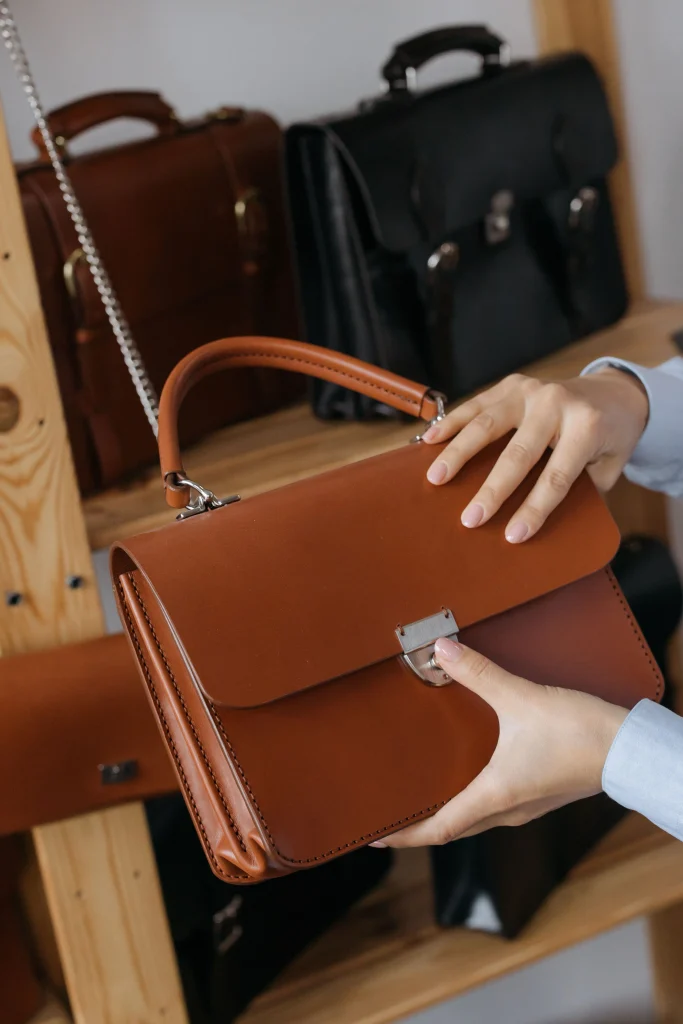
For this test I brought the last bag, a structured satchel I had genuinely stopped liking the shape of, to a pawn shop across town on a day I wanted cash within the hour rather than the best possible number. That is really the only scenario where a pawn shop beats everything else on this list. I walked out with roughly 40 percent of what I later confirmed the same bag was selling for online. Fine for an emergency. Not the move if you have even a few days to work with.
Quick Recap: Which Platform Actually Wins
| Platform | Typical Seller Cut | Payout Speed |
|---|---|---|
| The RealReal | 60 to 75 percent | 2 to 6 weeks after it sells |
| Fashionphile | 70 to 85 percent on consignment, less on an instant buyout | Days on buyout, weeks on consignment |
| Vestiaire Collective | About 85 percent | 3 to 6 weeks |
| Poshmark | 80 percent | Days to weeks, seller dependent |
| eBay | About 85 percent | 1 to 3 weeks |
| Local consignment shop | 40 to 60 percent | Same day drop off, weeks to sell |
| Pawn shop | 30 to 60 percent | Same day |
Frequently Asked Questions
Does Plato’s Closet buy luxury bags?
No, not the true high end names. Most Plato’s Closet locations specifically exclude brands like Louis Vuitton, Gucci, and Prada, since the chain is built around mall brand and entry level pieces rather than luxury resale. What they typically do accept are entry level designer brands such as Coach, Kate Spade, Michael Kors, and Dooney and Bourke, provided the piece is on trend and in good condition. Since Plato’s Closet operates as individually owned franchise locations, policy can vary a little store to store, so a quick call before you make the trip is worth it.
How much will a pawn shop give for a designer bag?
Most pawn shops that buy outright pay somewhere between 30 and 60 percent of a bag’s resale value, with the exact number depending heavily on brand recognition, condition, and whether you have original paperwork or an authentication card. A well known Chanel or Hermès tends to land near the top of that range, while a less recognized name often falls closer to the bottom. Go the loan route instead of selling outright and the loan amount tends to follow a similar percentage, plus interest if you do not repay it in time.
Which platform actually pays the most for a designer bag?
Based on running all seven at once, Vestiaire Collective kept me the highest percentage of the final sale price, with eBay and Poshmark close behind, once you count what The RealReal and Fashionphile actually deduct rather than the headline number each advertises.
Is it better to sell a designer bag or pawn it?
Selling almost always nets more money if the bag is authentic and you are not in an emergency, since every resale platform on this list paid a noticeably higher percentage than the pawn shop did in my own test. Pawning only makes sense when you need cash the same day and are willing to accept a smaller amount for that speed.
Do I need the original receipt or box to sell a designer bag?
No platform on this list requires it, but a receipt, dust bag, or authentication card genuinely helps your payout and speeds up authentication wherever one applies, especially on Vestiaire Collective and at any pawn shop.
Final Thought
Running one bag through each of these seven options taught me something the marketing pages never will: the headline payout percentage and the number that actually lands in your account are rarely the same thing. For a genuinely nice bag, I would send it to Vestiaire Collective and be patient. Needing the money by Friday, Fashionphile’s buyout or a local consignment shop both beat waiting on a slower consignment sale.
If you are earlier in this whole process, maybe still working out what a fair price even looks like or wondering which of these platforms carries the kind of bag you are eyeing rather than selling, our full guide to where to buy authentic pre owned designer bags covers these same seven ish platforms from the buyer’s side. Either way, that bag sitting in a closet bin is worth more with a little research behind it than it is collecting dust.