
Somewhere between my third lost pair of sunglasses and a lens scratched into a spiderweb, I stopped spending real money on anything I might set down on a café table. Then Quay’s High Key kept showing up in my feed, that oversized, flat lens, faintly unbothered look, and on a student budget I wanted it badly enough to go hunting for sunglasses like Quay that wouldn’t cost $95. From mid August into late September I wore eight of them, one after another, on commutes, bus rides, and one long squinty drive home on a wet road. Here’s which ones actually pass for Quay, which ones don’t, and the one thing I refuse to save money on.
The short version: For the High Key silhouette, buy the Wild Fable aviator from Target. If you drive a lot, spend $25 on a pair of goodr. If you wear prescription lenses, Zenni is the only pick here built for it. Everything else comes down to which shape you’d actually reach for on a rushed morning.
Prices below are what I saw in late September 2026. Frames get discontinued and prices move, so check the listing before you order.
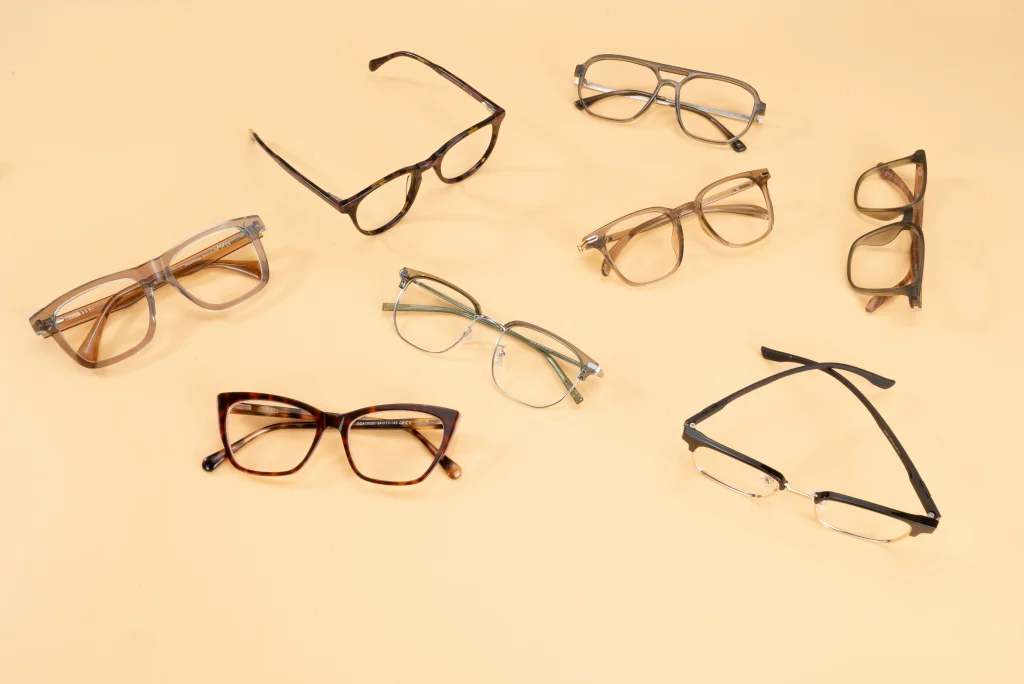
What Makes Sunglasses Like Quay Work (It Isn’t the Logo)
The Quay look is three things: a big lens with a flat front, a bold frame that sits high on your face, and a quiet tint like smoke, brown, or a soft fade. Get those three right and nobody checks the temple for a logo. Get them wrong and a $95 pair looks like a costume.
The habit that saved me the most money was reading the lens width in millimeters on every listing, then holding a ruler up to a pair I already owned. Photos flatter everything. The first cheap pair I ordered, before I started doing this, looked a full size smaller on my face than it did on the model, and small is the fastest way to lose the Quay effect. The flat front matters just as much. Rounded, bulging lenses read as drugstore no matter how good the frame is.
It also helped that Quay sorts its own range by shape. Quay’s bestsellers page breaks frames into aviator, square, round, shield, cat eye, and narrow, so I matched each cheaper pair to the shape it echoes instead of pretending one pair does everything.
Quay vs Ray Ban vs Oakley: Where Your Money Actually Goes
Short answer: these three aren’t fighting over the same job. Quay sells you a current shape, Ray Ban sells you an icon, and Oakley sells you performance. Which one is worth paying for depends on which of those you actually need.
| Quay | Ray Ban | Oakley | |
|---|---|---|---|
| Known for | Oversized, trend led shapes born on the Australian festival circuit | Heritage icons like the Wayfarer, around since 1952 | Sport performance, Prizm lenses, O Matter frames |
| Typical price | Mostly $75 to $105 on its bestsellers page, one at $125 | Roughly $140 to $150 and up | Around $150 and up |
| Best for | Wearing this season’s shape without a designer bill | One pair that goes with everything for years | Driving, sport, sharp lens tech |
| Watch out for | Trend shapes date, and many frames run oversized | The original Wayfarer runs wide and sits high on the bridge | Sport frames can feel snug for all day casual wear |
Prices deserve a closer look. Quay’s own marketing copy puts the brand at $100 to $150, but the tags on its bestsellers page mostly say $75 to $105, with High Key Polarized at $95 and the priciest bestseller I saw at $125. Ray Ban and Oakley both tend to start around $140 to $150 and climb from there, so Quay does sit meaningfully below them. That gap is real money, and it gets wider once you start collecting shapes.
The price makes more sense once you know how Quay got here. It started in 2004 as a family business selling sunglasses roadside at Australian music festivals, then built its name on collaborations: a Desi Perkins line in 2016, a Kylie Jenner capsule, and a Jennifer Lopez collection in 2019 that launched at $60 a pair. What you’re buying is the feeling of wearing what someone on your feed is wearing.
Here’s my stance, and I’ll defend it. A Quay lookalike is a smarter buy than a Ray Ban lookalike. Quay’s premium is mostly a current shape, and a shape is exactly what a $15 frame can copy. Ray Ban’s premium is heritage and lens engineering, and neither survives the trip down to $15.
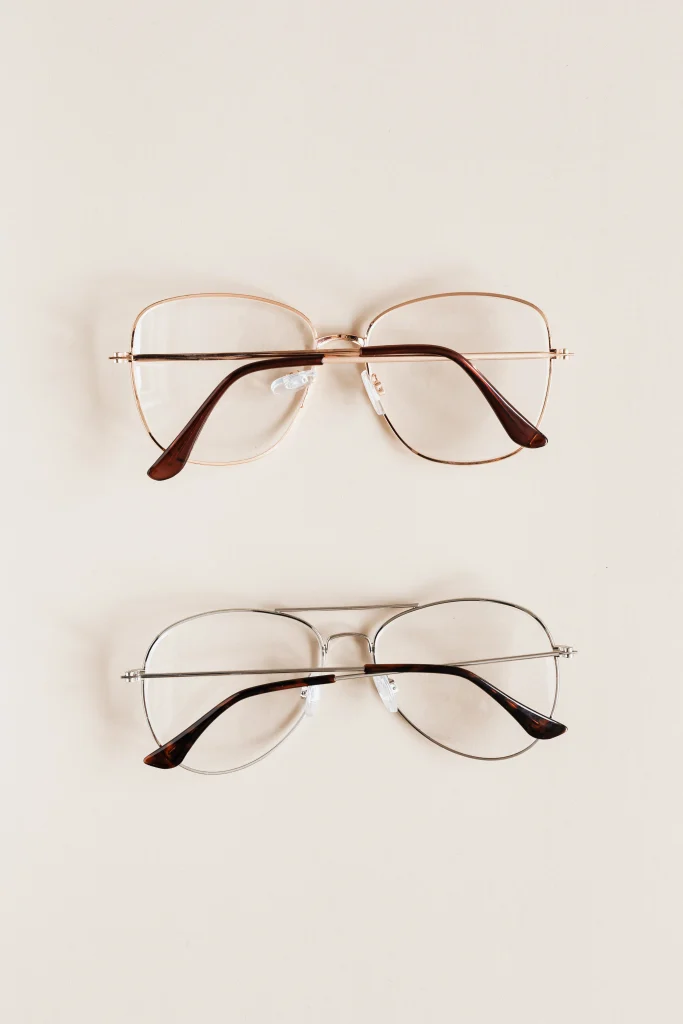
8 Sunglasses Like Quay, Matched to the Style They Echo
Every pair below is matched to a real Quay shape, with Quay’s current price beside it so you can see the gap.
1. Wild Fable Metal Aviator (Target): Best High Key Stand In, About $12 to $15
Quay’s High Key Polarized sits at $95, so this costs less than a sixth of that. Target’s listing calls out a hinged temple and adjustable nose pads, which are the two details I check first on any aviator, because a fixed bridge is what makes cheap ones slide down by lunch. The wire frame weighed almost nothing on my face, and the pads squished enough to sit right on the first try. The catch is glare. Target lists UV protection, not polarization, and on that wet evening drive I squinted more than I wanted to.
2. STORYCOAST Oversized Square (Amazon): Best Chunky Square, Around $14
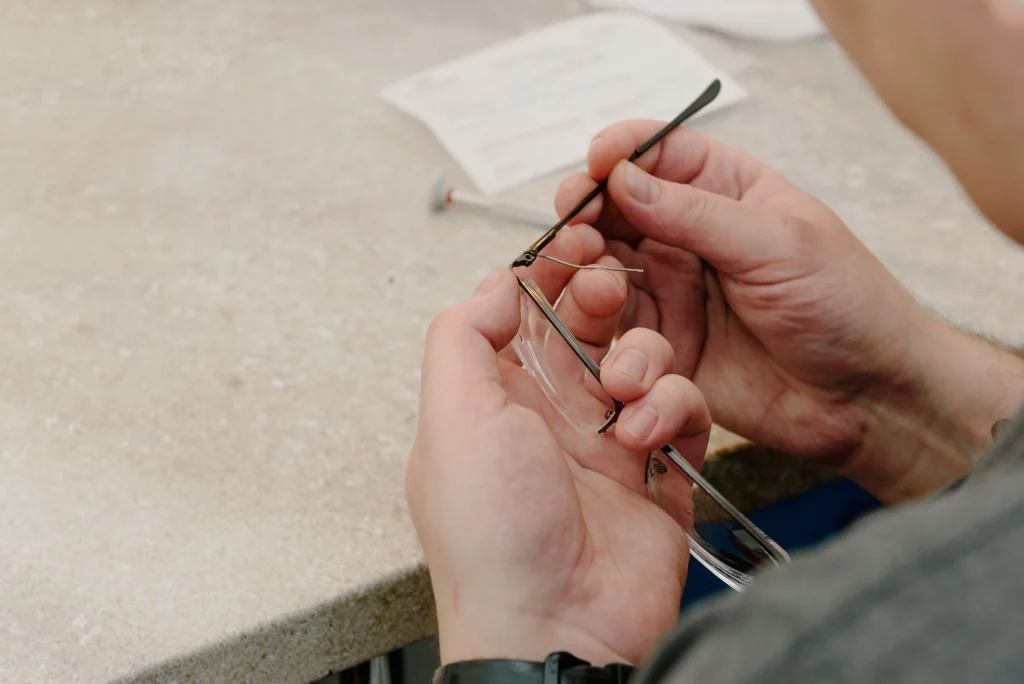
This is the pair that gets closest to Quay’s Drive In ($85), the square with the flush, flat lens. The frame is glossy, heavy enough to feel like something, and flat across the front, which is the whole trick. In direct sun it looked more expensive than $14. The weak point is the hinges. One screw backed out around week three, and a $5 eyeglass repair kit fixed it in a minute. Buy the kit when you buy the sunglasses and every pair on this list gets better.
3. A New Day Oversized Tortoise Shell Square (Target): Best Tortoise Pair, $17
If your Quay crush is a tortoise square like Ever After ($75), start here. It’s beige tortoise plastic with brown lenses, listed at $17. I liked it most in overcast light, where the brown lens flattered the frame instead of muddying it. Like the aviator, it’s UV protected but not polarized, so treat it as your everyday errand pair rather than your driving pair.
4. A New Day Square Shield (Target): Best Shield Frame, About $15
Quay treats shields as their own category, and they’re the shape most likely to look like a costume when the lens curves too much. This Target pair keeps the front fairly flat at about $15, and its listing shows 4.6 stars across 79 ratings, which is a sturdier signal than a handful of reviews. It sat wider on my face than the aviator did, so if you have a narrow face, try it before you commit to a color.
5. Mosanana Square Cat Eye (Amazon): Best Budget Cat Eye, Around $10
This is the cheapest pair here, and the shape has an edge. It takes the cat eye tilt and squares off the corners, which reads sharper than the soft, rounded cat eyes at most drugstores. At around $10 I expected to hate the arms, and I mostly did. They flex more than I’d like, so I stopped tossing them loose into my bag. For a festival or a beach day where something might get sat on, this is the one I’d risk.
6. goodr Pop G Cat Eye: Best Polarized Pick, $25
goodr has kept its standard price at $25, and polarized lenses with UV400 protection come with it, which is why this is the pair I put on for driving. It cut the glare off that wet road that the aviator couldn’t handle. The frame is built for running, so the grippy nose coating holds a little too tightly for a slow café afternoon. I liked it anyway. Cheap polarized coatings can scratch more easily than pricier ones, so keep these in the pouch.
7. Knockaround Premiums Polarized: Best Wayfarer Style Pair, $35 List Price
This isn’t a Quay copy, but it’s the nearest thing here to Quay’s more classic squares, and polarized lenses come standard. Backcountry listed it at $35 and had it on sale for $24.50 when I looked. Retailer MEC describes these as designed for small to medium faces, and that matched my experience: snug at the temples after about an hour. If you have a wider face, skip these, because a squeezing frame is a fast way to hate a pair of sunglasses.
8. Zenni Oversized Cat Eye: Best If You Wear Prescription Lenses, From About $30
Quay sells prescription versions of its High Key, Weekender, and Soundcheck, and that’s where a lot of buyers end up paying more. Zenni’s oversized cat eye frames start between $29.95 and $35.95 depending on the style, with UV protection and a scratch resistant coating included, and you can add your prescription. Tint and lens index cost extra, so your final price will land higher than the starting number. Zenni also retires styles without much warning, so any specific frame I name may be gone by the time you read this, though the category stays stocked. The acetate frames felt heavier than the plastic ones, which mattered on a hot walk.
The Cheap Sunglasses Trap: What I Check Before Buying Any Pair
Verdict: cheap is fine, unlabeled is not. All About Vision says the UV label matters more than the price tag, and that you want 99 to 100 percent protection. If a pair shows up with no label, an optical shop or eye care professional can test the percentage for you, so it’s worth a quick stop. Quay says every pair in its range carries UV400 certification, and that’s a fair selling point. It doesn’t mean every budget frame lacks it. It means you have to read the tag on the budget ones.
What cheap pairs really cut corners on is everything around the UV. All About Vision notes that inexpensive non prescription lenses often skip scratch resistance, and that cheap polarized coatings can sit on the surface of the lens instead of between layers, which makes them more prone to scratches and distortion. That matched what I saw: my two polarized budget pairs picked up hairline marks faster than the UV only ones.
Quay’s own review post treats budget sunglasses as something worth buying only if you expect to lose them. I disagree. The point of a $15 pair is that you’ll actually wear it in the car, at the pool, and on the walk to the bus stop without babying it. A pair that lives in a drawer because it cost $95 protects nothing.
One more trap: lists of brands like Quay often include Diff as a cheaper option. Diff’s own product pages showed Becky II at $118 and Bella II at $128 at regular price when I checked, both above Quay’s High Key Polarized at $95. Diff runs frequent sales that cut those prices in half, so it can land cheaper, but that isn’t the sticker.
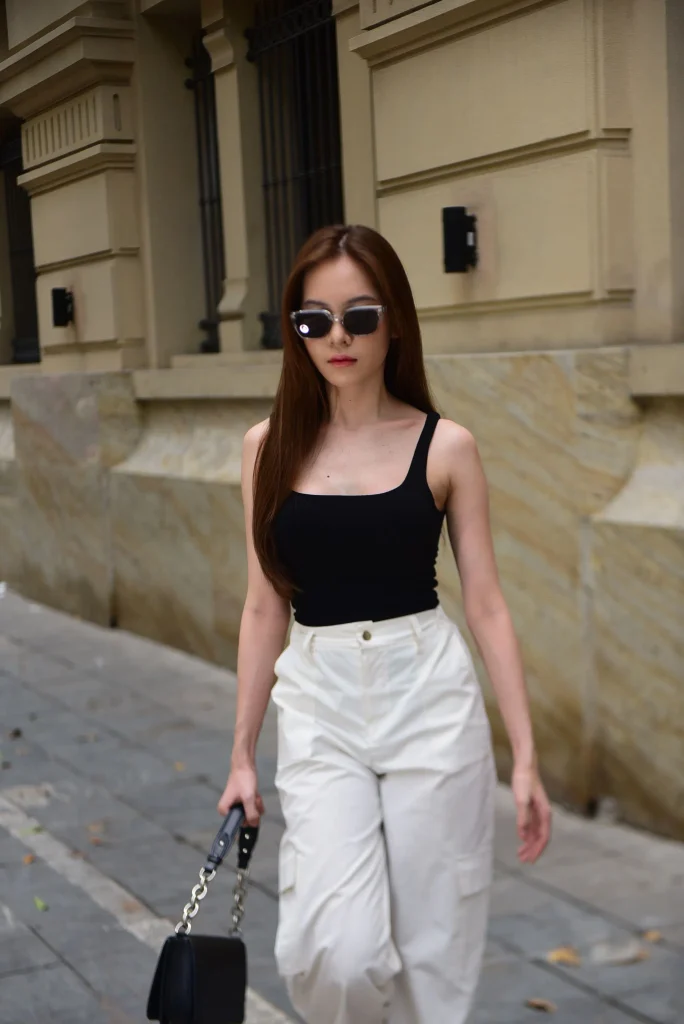
How to Wear Big Sunglasses Without Overthinking It
Aviators and oversized frames have deep 70s roots, so if you love that retro mood, our 70s surf fashion guide shows how to build a whole coastal look around a pair like the Wild Fable.
Big frames also earn their keep on quiet outfits. I wore the chunky square with wide leg linen pants and a plain white tee, and the sunglasses did all the talking, which is the whole point of a Quay shape.
Choose frame colors the way you’d choose a bag. One neutral pair for every day, one fun pair for weekends. The same logic runs through our guide to handbag colors that lift any outfit, and it keeps you from owning eight pairs that all say the same thing.
Frequently Asked Questions
Are Quay sunglasses worth the money?
Yes, if you’ll wear one pair constantly and want a current shape with a case and cloth included. Quay says every pair carries UV400 certification, and its bestsellers mostly cost $75 to $105. If you only want the silhouette, the eight pairs above get you most of the way there for a fraction of the cost.
Is Quay better than Ray Ban or Oakley?
They do different jobs. Quay is about trend led shapes, Ray Ban is about heritage frames like the Wayfarer, and Oakley is about sport performance and lens tech. For everyday style on a mid price budget Quay makes sense, but for one pair to keep for years or serious sport use, the other two earn their price.
Do cheap sunglasses actually protect your eyes?
They can. All About Vision says to look for a UV label showing 99 to 100 percent protection instead of judging by price. Cheap pairs are more likely to skimp on scratch resistant lenses and well applied polarization, so buy them for style and errands, and skip anything with no UV label at all.
Are Quay sunglasses polarized?
Some are. Polarization varies by style and colorway, and the product name says so, like High Key Polarized at $95 on Quay’s bestsellers page. Other bestsellers list only a standard lens in some colors, so read the exact name before you buy.
What’s the closest cheaper look to the Quay High Key?
The Wild Fable metal aviator at Target, at about $12 to $15. Quay’s own blog points out adjustable silicone nose pads on the High Key, and the Wild Fable lists adjustable nose pads too, which is the fit detail most cheap aviators miss.
Final Thoughts
You don’t need to pay $95 for Quay’s look, but you do need to pay attention: to lens width, to the UV label, and to whether the frame sits right on your face. Get those three right and a $15 pair passes for the real thing at arm’s length.
If you’re only buying one, make it the Wild Fable aviator, then add a goodr for driving. Keep a tiny screwdriver in your bag. Then go break in a pair, leave it on a bus seat someday, and feel nothing about it. That’s the real luxury.