
You know the moment. You try on a pair of Wayfarers at the mall, you love them, you flip the tag, and you quietly set them back on the rack. Classic Ray Bans usually land somewhere around $150 to $220 at an authorized retailer, which is a lot for an accessory that lives in a cupholder and gets sat on at least once.
Here’s the good news. Dupes for Ray Ban sunglasses are a perfectly legitimate category: frames with the same shape and attitude, sold under their own brand name, for anywhere between $15 and $150 depending on how much you care about the lenses. This guide gives you seven pairs worth buying, the three fit numbers that matter more than any logo, and a straight answer on fake Ray Bans, which are a different thing entirely.
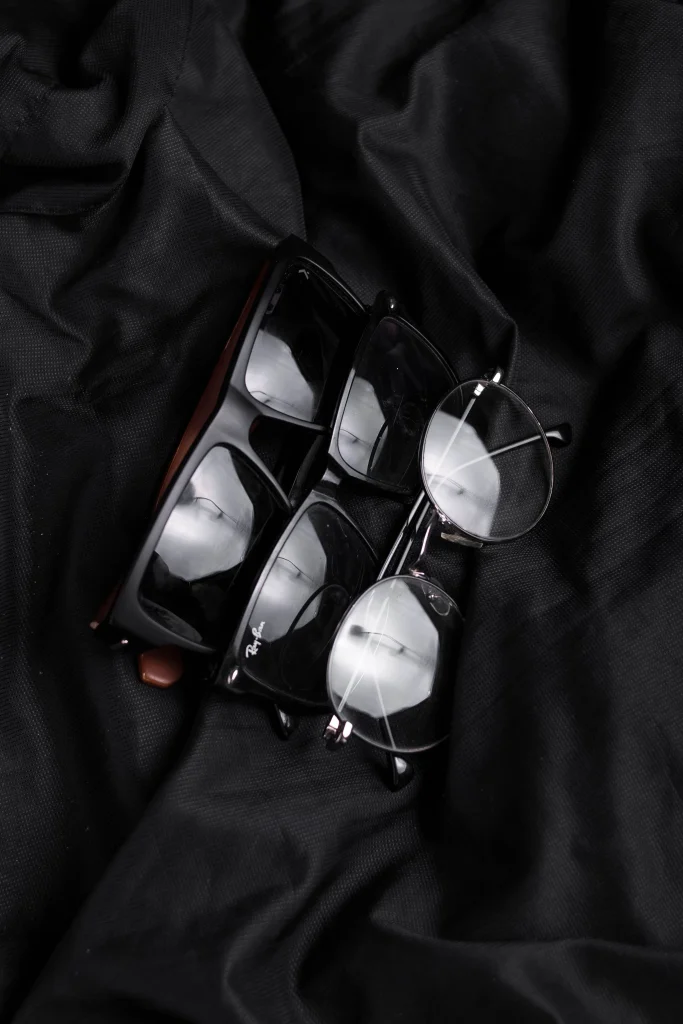
The Short Answer: Which Ray Ban Dupe Should You Buy?
Skip the scrolling if all you want is a verdict.
- Goodr OG if you want the cheapest Wayfarer shaped pair with polarized lenses, about $25.
- Knockaround Premiums if you want a dependable everyday pair with more fit options, about $25 to $40.
- Zenni Optical aviators if you need prescription sunglasses, from roughly $36.
- Quay High Key if you want an oversized aviator with some fashion edge, roughly $65 to $95.
- Privé Revaux if you want thin metal round or hexagonal frames, with list prices around $49.
- Warby Parker if you’d rather spend closer to $100 or more for better lenses and service.
- Sojos if you’re hunting for the best Ray Ban dupes on Amazon and your ceiling is $20.
Every pair here carries its own brand name, and that’s the whole point. Prices are ballpark figures from recent retailer listings and shopping roundups, and they move with every sale, so confirm the current price before you buy.
What a Ray Ban Dupe Is, and What a Fake Ray Ban Is
A dupe borrows a silhouette. A fake borrows an identity.
A Wayfarer shaped frame sold as Goodr or Knockaround is a lookalike, and nobody is being fooled. A pair stamped with a Ray Ban logo that Ray Ban never made is a counterfeit, and this guide stays firmly on the right side of that line. It’s the same rule we follow in our guide to dupes for Dr. Martens: copy the look, never the label.
So are fake Ray Bans worth it? No, and not because of some snobbery about logos. A lookalike with its own name gives you the style and an honest label. A counterfeit gives you the same style plus a seller you can’t hold accountable and lenses whose UV claims nobody has to stand behind. The American Academy of Ophthalmology is blunt about what actually protects your eyes: a label saying the lenses block 100 percent of UV, not a famous name or a high price. A cheap pair with that label does the same job as an expensive one.
One habit will save you from a lot of sketchy listings. Read the numbers inside the temple arm before you buy. Most legitimate brands print the lens width, bridge width and arm length there, something like 53 18 133. If a listing hides both the brand and the measurements, keep scrolling.
7 Dupes for Ray Ban Sunglasses Worth Buying
1. Goodr OG: The $25 Wayfarer Shape
The easiest yes on this list. The OG is a classic squared frame with polarized lenses, UV400 protection and a grip coating that keeps it from sliding down a sweaty nose. It lists for about $25, and retailers such as Competitive Cyclist have shown it around $20 on sale. The fit is medium: 53 mm lenses, an 18 mm bridge and 133 mm arms. The colorways come with ridiculous names, so pick the darkest frame if you want the Ray Ban effect without the joke.
The catch: some reviewers say the lenses scratch if you’re careless. Keep the pouch and don’t toss them loose into a bag.
2. Knockaround Premiums: The Everyday Wayfarer Alternative
Knockaround is a California brand that has been around since 2005. Most pairs cost between $25 and $40, and polarized options start around $20. The lenses are rated UV400 and FDA approved for impact resistance, which matters if you’re the type who drops things. The Premiums fit a little wider than the brand’s Classics: 51 mm lenses, an 18 mm bridge and 143 mm arms, compared with 49, 16 and 135 on the Classics. My rule of thumb is Classics for narrower faces and Premiums for everyone else.
The catch: not every Knockaround style is polarized, and there’s no prescription option, so read the listing before you add to cart.
3. Zenni Optical Aviators: The Prescription Pick
Searching for Ray Ban dupes with a prescription? Start here. Zenni’s stainless steel aviator sunglasses start at roughly $36 to $37 and include sunglass lenses, an anti scratch coating and UV protection. Their premium aviator comes in a 57 mm lens size and, because of the thin frame, can only be made with polarized polycarbonate lenses. A recent money guide put polarized prescription sunglasses at Zenni under $50, and Ray Ban prescription sunglasses typically cost a good deal more than that.
The catch: you can’t try them on. Pull the three numbers from inside your favorite current pair and shop by those. The Zenni aviators mentioned here run 55 to 57 mm across the lens, so check that against what you wear now.

4. Quay High Key: The Oversized Aviator
Quay (say it like “key”) is the fashion forward pick. High Key is an oversized aviator in thin metal, sold in a larger 62 mm size and a smaller High Key Mini at 53 mm, which makes it one of the few picks here that’s easy to size down. If you’re hunting for the best Ray Ban dupes for women and you have a smaller face, the Mini is the one to look at. Expect roughly $65 to $95 depending on size, color and sale.
It’s also the priciest of the fashion picks. If that feels like a stretch, our roundup of sunglasses like Quay that cost way less has cheaper aviator lookalikes. And check that your colorway is polarized, because not every listing is.
5. Privé Revaux: Round Metal and Hexagonal Styles
Thin metal frames with polarized lenses are Privé Revaux’s specialty. The Maestro is a round metal best seller, and the range also includes hexagonal frames. List price tends to sit around $49, with sale prices near $30 showing up regularly.
The catch: thin metal bends. Don’t sit on them, and expect to adjust the nose pads once so they stop pinching.
6. Warby Parker: The Quality Splurge
This is the pick where you save the least, so here’s why it’s on the list. Non prescription pairs come with polarized lenses, prescription sunglasses are available, and the brand has a sunglasses collection capped at $195. Pairs have historically landed in the $75 to $150 range. Choose this one if you keep sunglasses for years and care more about the finish and the lenses than about shaving off the last $50. Lens upgrades such as high index add to the bill, so budget for them.
7. Sojos: The Budget Amazon Pick
Sojos is the name that keeps turning up in cheap sunglasses roundups, with aviators, small rounds and polygon frames mostly priced between about $14 and $20. For anyone chasing the best Ray Ban dupes on Amazon, it’s the low risk way to test a shape before spending more. Check that the listing states UV400, read the recent reviews instead of trusting the star average, and buy from the brand’s own storefront. Quality can vary from style to style, so treat these as the pair you can afford to lose.
Dupes for Ray Ban Erika, Hexagonal, Zuri and Raimond
The newer Ray Ban shapes drive a lot of searches, and each one has its own tells. I haven’t matched these frame by frame, so treat the suggestions as starting points and compare measurements before you buy.
- Erika (RB4171). An oversized round frame in lightweight nylon, usually priced around $155 to $185. For sunglasses similar to Ray Ban Erika, look for oversized round frames with slim temples, such as Privé Revaux’s round styles or Sojos’ small rounds. What’s hard to match under $20 is the soft, matte nylon feel, so expect a slightly stiffer frame.
- Hexagonal (RB3548). Thin metal with six sided lenses. Search for “hexagon” or “polygon” in thin metal frames. Privé Revaux and Sojos both make them.
- Zuri (RB4455). A soft rectangular pillow shape in bio based plastic, with a 52 mm lens and a 19 mm bridge. For a dupe for Ray Ban Zuri, shop plastic rectangular frames near those numbers. Goodr and Knockaround’s squared frames are where I’d start.
- Raimond (RB2231). A modern square acetate frame with a 56 mm lens and an 18 mm bridge. For dupes of Ray Ban Raimond glasses, look for thick square acetate with similar numbers. Knockaround Premiums and Warby Parker’s square frames are worth browsing.
Polarized and Prescription Ray Ban Dupes: What to Check First
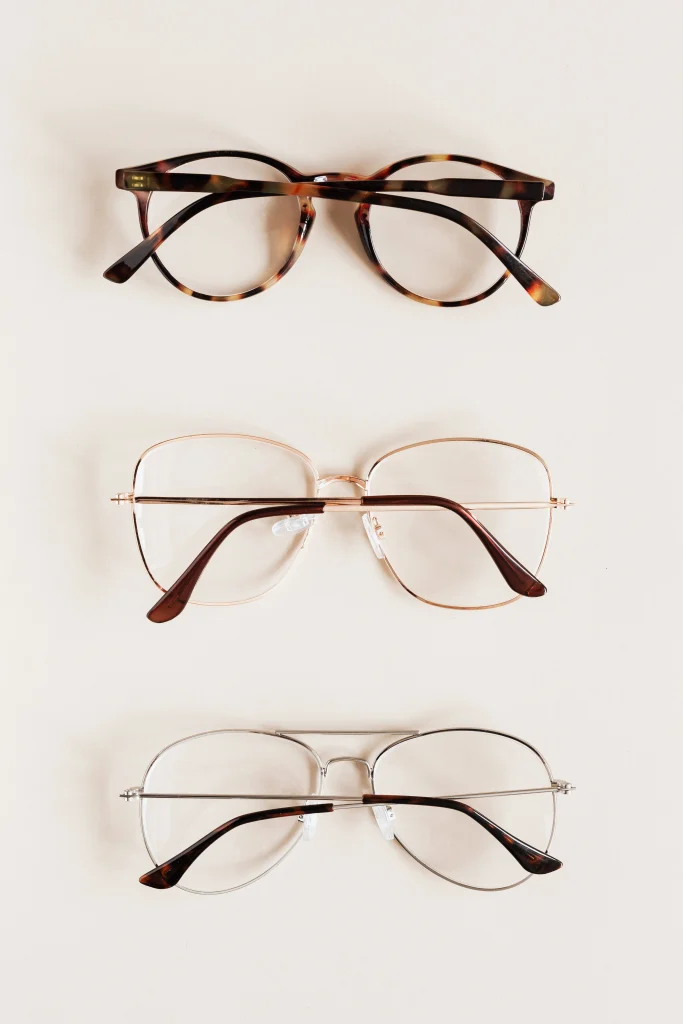
Polarized and UV protected are two different things. Polarization cuts glare off water, roads and car hoods, but it doesn’t block UV. So even when you’re buying Ray Ban dupes in polarized lenses, look for a tag or listing that says 100 percent UV protection or UV400.
Here’s a quick home test for polarization. Hold a lens up to a phone or laptop screen and slowly rotate it a quarter turn. If the screen goes dark, the lens is polarized. That tells you nothing about UV, though, so if you doubt a label, an optical shop with a UV meter can test the lenses for you.
For prescription lenses, Zenni and Warby Parker are the two picks on this list that can do it. Knockaround can’t.
How to Tell if Ray Bans Are Real (and Where to Buy Original Pairs)
You came for dupes, but if you’ve spotted a great deal on actual Ray Bans, or you’re thinking about buying a pair secondhand, this part matters. No single tell proves anything, because counterfeiters copy cases, cards and boxes too. Look for a pattern.
- The seller and the price. Most fakes give themselves away here first. If the seller isn’t an authorized retailer and the price is far below the going rate, that’s your answer.
- The temple numbers. The model and size numbers inside the temple should match the box and the model listed on Ray Ban’s own website.
- The lens logo. Printed and etched logos should be crisp, sit where Ray Ban puts them on that model, and never smudge or peel off under a fingernail.
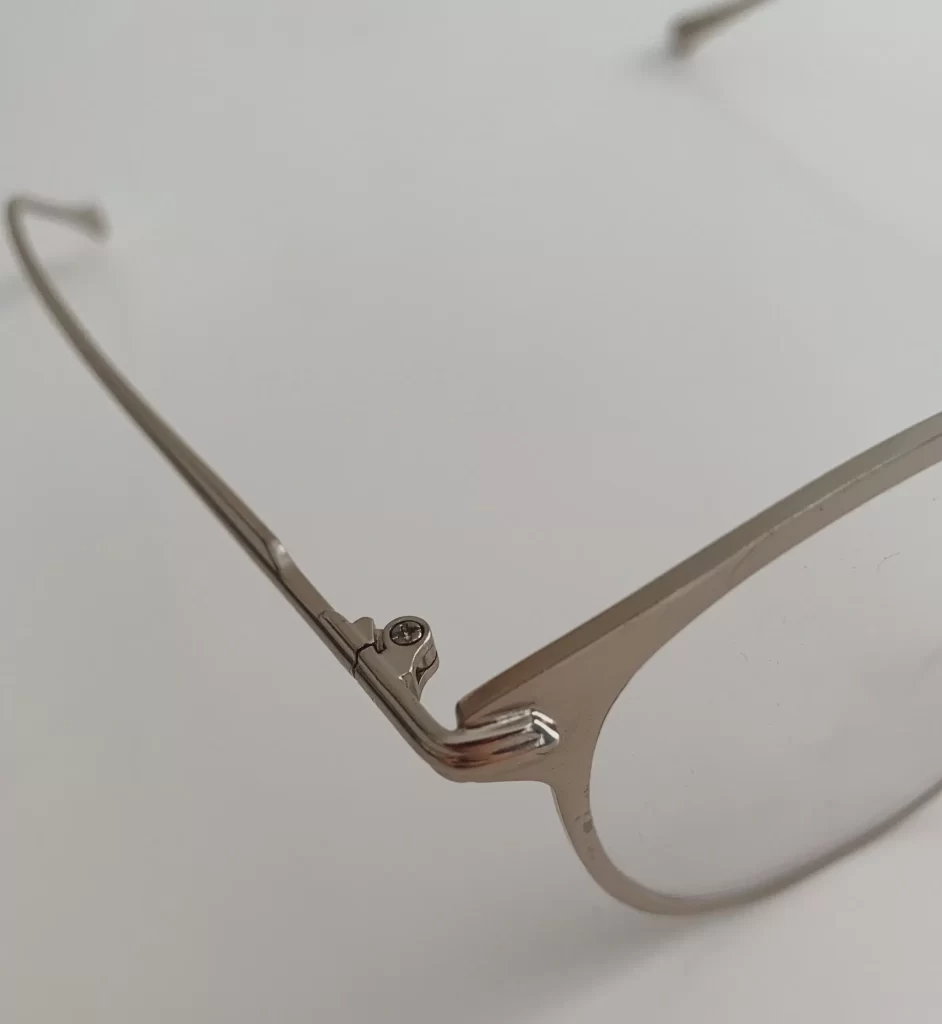
- Hinges and finish. Genuine pairs have sturdy metal hinges with real screws and clean seams. Glue residue, rough edges and squeaky hinges are red flags.
- Nose pads and case. On metal frames the nose pads usually carry the logo. Frayed stitching on the case is another warning sign, though cases can be faked too.
- The serial number. If you’re still unsure, Ray Ban customer service can verify it, and an authorized optician can inspect the pair.
To prove a pair you own is real, keep the receipt from the authorized retailer. That paper trail is worth more than any single detail on the frame.
To buy original Ray Bans, go to Ray Ban’s own website, Sunglass Hut, or an authorized optician or department store. To get them for less without taking a risk, wait for sales, because authorized retailers regularly knock $35 or more off classic styles. Buying a prescription pair through an optician also lets you use FSA or HSA money.
Are Ray Bans Worth It? Durability, Fit and Replacing Lenses
My honest take: they’re worth it if you want one shape for five years and you’ll look after it. They’re not worth it if you lose sunglasses every month.
How durable are they?
Ray Ban frames are generally sturdy, whether acetate, nylon or metal, and retailer guides say the lenses are glass or polycarbonate. The usual failure isn’t the frame, it’s a hinge screw working loose. A jeweler’s screwdriver fixes it, and a tiny dab of clear nail polish on the thread helps it stay put. A limited two year warranty against defects is commonly listed, though terms vary by retailer.
Do Ray Bans look good on everyone?
No pair does, and fit matters more than the logo. The Wayfarer is forgiving, but match the lens width and bridge to your face. A bridge that’s too narrow rests on your cheeks, and one that’s too wide slides down.
How do you make Ray Bans fit better?
Ask an optician. They can warm and bend acetate temples, metal frames usually have adjustable nose pads, and tightening the screws is the first thing to try.
How do you replace Ray Ban lenses?
Take the frames to an optician or the retailer, and let a lab cut new lenses to the frame shape. Oversized shapes like the Erika need a lab to match the frame pattern, so don’t pry the lens out yourself. For a $25 lookalike, replacing lenses rarely makes sense. For a $180 pair, it often does.
Frequently Asked Questions
Is Ray Ban a designer brand?
Sort of. Ray Ban started as an American brand in 1937 under Bausch & Lomb and has been part of Luxottica, now EssilorLuxottica, since 1999. It sits in premium mainstream eyewear rather than the couture world. If you’re curious how designer labels hold up on resale, our piece on whether designer bags hold their value breaks it down. The short version is that sunglasses rarely behave like a Birkin.
Is there a dupe for Ray Ban Meta?
Not at sunglasses prices. Alternatives such as the Solos AirGo V2 are listed at about $299 in recent roundups, which is roughly the same money as entry level Ray Ban Meta glasses, so you’re choosing features rather than saving cash. If it’s just the look you want, a Wayfarer shaped pair from the list above covers it for a fraction of the cost.
Are there brands better than Ray Ban?
For style per dollar, plenty of the brands above compete. For lens performance, Costa and Maui Jim are known for polarized lenses, and Oakley is known for sport fit, but they cost more. Better depends on what you need a pair of sunglasses to do.
Do Ray Bans use real gold?
Standard gold toned frames use a gold colored finish over metal, not solid gold. If a listing claims real gold, read the fine print and ask whether it means plating.
What’s the best cheaper alternative to Ray Ban sunglasses?
Pick Knockaround Premiums if you want a pair that suits most faces, Goodr OG if you want the lowest price, and Zenni if you need a prescription.
Conclusion
The point of a dupe isn’t to fool anyone. It’s to wear a shape you love without feeling like you’re babysitting a $200 accessory. Start with Goodr or Knockaround, go to Zenni if you need a prescription, and spend on Warby Parker only if you truly care about the lenses.
Whatever you buy, check the UV label before you check the logo, and check the temple numbers before you hit checkout. Browse the rest of our shopping guides for more looks without the markup.
Pick the pair that fits your face, blocks UV, and costs little enough that you won’t panic when it ends up under a car seat.