
Longchamp vs Coach comes down to one question: do you want a bag that disappears into your day, or one that finishes your outfit? A Longchamp Le Pliage is the first kind. A Coach Tabby is the second. Both sit in the same loose “accessible luxury” tier, and both are a waste of money when you buy the wrong one for the job.
My verdict, up front: buy the Longchamp if you want a lightweight workhorse that fits a laptop and folds flat for travel. Buy the Coach if you want structured leather and you’re happy to spend $300 to $475 for it. I checked current prices and specs on Longchamp’s and Coach’s own sites on November 9, 2026, so the numbers below are fresh, and I’ll flag the ones that tend to move.

Longchamp vs Coach price range: what you actually pay
Start with the number, because it decides most of these purchases. On Longchamp’s US site, the Le Pliage Original M tote is $165 right now, and so is the Le Pliage Original L handbag. That nylon family is what most people mean when they say Longchamp.
Step into leather and the prices jump. The Le Pliage Xtra in leather is $570 for the XS handbag and $700 for the S. The Le Roseau S handbag is $820, and the Le Smart L tote runs $1,045 to $1,310 depending on the finish. Coach sits in a tighter band. The Tabby Shoulder Bag 26 is $450 in natural grain leather and $475 in glazed leather on coach.com, and a Willow Tote 24 in polished pebble leather was listed at $295.
So the fair comparison isn’t Le Pliage against Tabby. It’s Longchamp nylon against Coach’s entry totes, where Longchamp is far cheaper, and Longchamp leather against Coach leather, where Coach is the cheaper way in. If this is your first designer purchase, my list of entry level designer bags shows where both brands land against everything else at this price.
These are US list prices on November 9, 2026. Prices move, so check the product page before you buy.
Quality and durability: nylon against leather
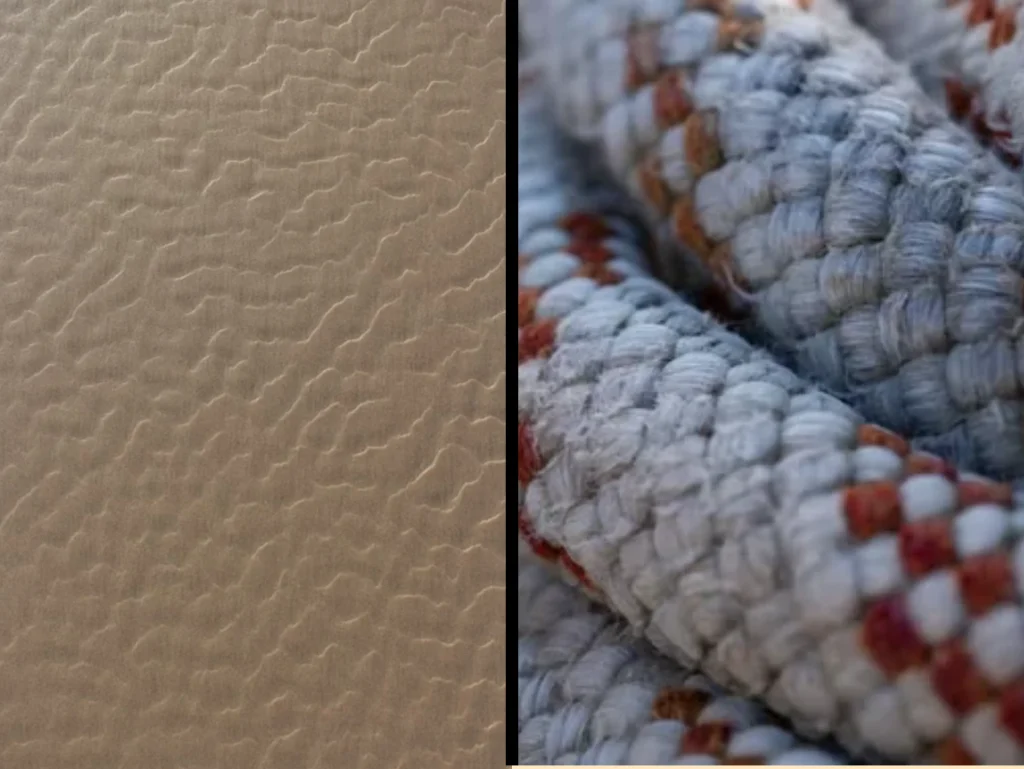
Here’s where Longchamp quietly wins. The Le Pliage body is recycled polyamide canvas with an inside coating, and the trim is Russian leather (cowhide), according to Longchamp’s own listing. The nylon shrugs off scuffs, drizzle and overpacking. The leather flap and handles are what show your habits, darkening where your hand sits and rubbing at the corners. Longchamp says as much: appearance can change in areas of repeated rubbing, and you’re meant to brush colorless leather cream onto those parts regularly. That’s the upkeep you’re signing up for. I trust the nylon more than the trim, and I’d rather the part that wears be the part that’s easy to condition.
Coach is the opposite bet. It spends its money on leather and says its glovetanned leather softens and improves with wear. The catch is that the Tabby 26 comes in several leathers, and the Materials line changes with them. One version lists natural grain leather with a leather lining. Another lists glazed leather with a suede lining. A printed version lists a fabric lining. Two bags with the same name aren’t always built from the same stuff, so read that line before you pay.
Where are they made? Coach’s parent company Tapestry says in its fiscal 2026 annual report that Coach products are made primarily in Vietnam, Cambodia, the Philippines and India by independent manufacturers, with on site quality inspections. Longchamp’s own site says it assembles in workshops in western France, runs two production sites in Tunisia and Mauritius, and works with partner workshops in France, China, Romania, Portugal, Vietnam and Morocco. The country of assembly is printed on the label inside each bag. My take: neither tag tells you much. The leather, the lining and the stitching matter more than the country on the label.
How much weight can a Longchamp hold?
Longchamp doesn’t publish a weight limit, and I’d be suspicious of any site that quotes one like it’s official. What the brand does publish is how light the bags are and what they’re sized for. The current Le Pliage Original M tote weighs 220 g and is listed for an 11 inch tablet. The Original L handbag weighs 241 g, about half a pound. The L tote, the long handle style, weighs 290 g on Longchamp’s Australian site and is listed as fitting a 13 inch laptop on its Thailand site.
That last detail matters more than any weight number. If you carry a laptop, size up to the L. The M is sized for tablets, so cramming a 13 inch laptop into it pushes the bag past what it was built for.
My own rule of thumb, and not Longchamp’s: a laptop, a charger, a water bottle and lunch is fine. Add a second heavy item, like a stack of textbooks, and I switch to a backpack. The strain on a Le Pliage isn’t spread across the fabric. It collects where the leather handle tabs meet the nylon, which is where I’d expect wear to show first. Carry it zipped and on your shoulder so the load sits across the whole bag instead of hanging off the snap.
A Coach leather bag is the reverse. It holds its shape, but the Tabby 26 measures about 10 inches wide, 5.5 inches tall and under 3 inches deep. That’s a phone, wallet and keys bag, not a laptop bag.

Which suits school, work or travel?
School
Longchamp, and it isn’t close. Get the L, not the M, if a laptop is involved, or look at Longchamp’s Le Pliage backpacks if you want the weight on both shoulders. A Tabby won’t take a laptop, and a notebook is a stretch.
Work
It depends on the office. In a casual or creative workplace, a black Le Pliage L reads as sensible. Where clients walk in, the structure of leather helps, and Coach’s own page pitches the Tabby 26 for the office and evenings out. If you want a leather work bag from Longchamp, the leather styles I priced start at $570.
Travel
This is the Le Pliage’s best trick. Longchamp says it folds down to the size of a paperback, which makes it the bag you pack inside your suitcase for the trip home. Coach’s Tabby has a detachable long strap with a 21.5 inch drop for crossbody wear, which is better for hands free sightseeing, though small. If you want both jobs done by one bag, you’re buying two bags.
Are Longchamp and Coach still in style in 2026?
Yes to both, for different reasons. Coach is the brand with momentum. Tapestry reports that Coach revenue grew 24 percent to about $6.9 billion in fiscal 2026, and its annual report names new Gen Z customers as a growth priority. When a brand is on that run, its styles feel current, and the Tabby is the proof.
Longchamp is the opposite energy. It’s still run by the Cassegrain family, and its CEO said in a March 2026 interview, as reported by Modaes, that sales grew about 10 percent in 2025 and nearly doubled between 2022 and 2025. The Le Pliage isn’t a trend, it’s a fixture, and Longchamp keeps refreshing it. Its US site currently tags both a Le Pliage One L handbag and a Le Pliage Original L handbag as new.
If you’ve ever worried a bag will look dated in two years, ask whether you’re buying a trend or a fixture. Coach right now is a bit of both. The Le Pliage is a fixture.
Which is more luxury? Longchamp vs Coach, Coach vs Michael Kors, and Coach outlet quality
Is Longchamp more luxury than Coach?
Neither is luxury in the Hermès sense. Both are better described as accessible luxury. Where they differ is the story. Longchamp is a Paris house founded in 1948 and still run by the family that started it. Coach was founded in New York in 1941 and is owned by Tapestry, a publicly traded company.
On price, the Longchamp leather lines I priced run $570 to $1,310, while the Coach bags I priced run $295 to $650. So Longchamp’s top end costs more, but Coach’s core bags cost less than Longchamp’s leather. If luxury to you means price, Longchamp’s leather wins. If it means polish at first glance, I’d give Coach’s leather the edge. Neither is a resale play, and if that’s your angle, read do designer bags hold their value before you spend.
Is Coach better than Michael Kors?
Same tier, different bet. Coach is owned by Tapestry and Michael Kors by Capri Holdings, and their recent results point in different directions. Coach grew 24 percent in fiscal 2026. Michael Kors revenue slipped about 5 percent to roughly $2.9 billion in its fiscal year ended March 2026, while the brand leaned on more accessible price points in selected handbag categories to win shoppers back.
Revenue isn’t quality, though. What it tells you is that Coach has the fresher styles right now. If you want leather and a heritage story, I’d buy Coach. If you want the lowest price of entry and you’re comfortable with a logo, Michael Kors is still worth a look. Judge both the same way: the Materials line, the lining, and how the hardware feels in your hand.
Is Coach Outlet quality different from full price Coach?
Often, and Coach’s own filings show why it’s murky. Tapestry’s annual report says Coach is bringing select full price products into the outlet channel and letting shoppers check out retail and outlet in one cart. So some outlet bags are now true full price styles. Coach has also long used outlets for a mix of retail overstock and styles made for the outlet, and Tapestry doesn’t publish the split.
Outlet product pages also show a “Comparable Value” line next to the price instead of a plain “was” price, so treat the percent off as marketing and judge the bag itself. My rule is to open the product page and read the Materials line. A leather body and a leather lining tell you more than the logo ever will.
Where to buy Longchamp and Coach for less
Department stores. Longchamp sells through its boutiques, its own website, department stores, airport locations and outlets, and its US site says orders placed on longchamp.com can’t be returned or exchanged at the others. Decide where you’ll buy before you worry about where you’ll return. Coach’s wholesale business, which is mostly major department stores, was about 12 percent of Tapestry’s sales in fiscal 2026, so Coach is easy to find there too.
Outlets. Coach Outlet is covered above: read the Materials line. Longchamp runs outlets as well, so ask whether a style is current or past season before you assume it’s a deal.
Preowned. Coach runs its own program. Coach (Re)Loved sells restored bags authenticated and restored by its in house craftspeople, and a Restored Willow Tote 24 in signature canvas was listed at $250 and a Restored Empire Carryall 34 at $350 on coach.com. I couldn’t find a Longchamp run resale program, so preowned Longchamp means a resale platform or a thrift find, and that’s where authentication matters. My guide to where to buy authentic preowned designer bags covers the safe ways to do it, and if you’d rather sell yours later, Fashionphile vs The RealReal: which pays you more breaks down the payouts.
Frequently Asked Questions
How can you tell if a Longchamp is real?
Start with where you bought it: Longchamp boutiques, longchamp.com and authorized department stores are the safe bets. Then check the label inside. Longchamp says the country of assembly is printed on it, and the print should be crisp, correctly spelled and neatly stitched. The horse and jockey logo on the leather flap and snap should be sharply embossed, not blurry, and a brand new Le Pliage selling for a fraction of the $165 list price is a red flag. For a full walkthrough, see how to spot a fake designer bag.
Where are Coach bags made?
According to Tapestry’s fiscal 2026 annual report, Coach products are made primarily in Vietnam, Cambodia, the Philippines and India. Check the label inside your bag for the country on that specific style.
Is a Le Pliage worth $165?
If you’ll carry it every week, yes, because the nylon is hard to kill and it folds away when you don’t need it. It isn’t worth it if you want a bag that feels dressy. For that, spend toward leather.
How do you clean a Le Pliage?
Longchamp’s advice is to clean the lining with a cloth or soft brush using water and neutral soap, keeping water off the leather parts. Then brush colorless leather cream onto the leather areas regularly.
Final verdict
Here’s where I land. If you want one bag that handles the commute, the gym run and the flight home, buy the Le Pliage and spend what you saved on something that needs the money more. If you want a bag that makes jeans and a tee look intentional, buy a Coach leather bag and read the Materials line before you pay.
The wrong move is buying a Tabby to do a Le Pliage’s job, or the other way around. Match the bag to the day it has to survive, not the logo. Come back for more bag matchups, and next time you’re in a store, pick both up and notice which one you reach for.
The bag worth your money is the one you carry until you forget what it cost.