
If your dermatologist has ever handed you a tub of Vanicream and said “use this, it won’t irritate you,” you already know why this brand has such a loyal following. It’s the go-to pick for sensitive skin, eczema, and post-procedure care. But if you’ve also started paying attention to what’s behind your skincare labels, you’ve probably landed on a more complicated question: is Vanicream Cruelty Free, or is that just something people assume because it feels like a “clean” pharmacy brand?
Here’s what most articles on this get wrong: they pick a side. One tracker says yes, another says grey-area, PETA implies no. Nobody explains why the sources disagree with each other, which is probably how you ended up here in the first place. So let’s actually resolve that, plus the five facts you need before your next purchase.
(image Credit: Vanicream)
Fact 1: The Trackers Disagree Because They’re Judging Two Different Companies
This is the piece almost every other article misses, and it’s the actual answer to why you’ve seen conflicting claims. “Vanicream” the brand and “Pharmaceutical Specialties Inc.” the parent company are judged separately by cruelty-free trackers, and they don’t always land on the same verdict.
Ethical Elephant looked at Vanicream’s brand-level practices, got direct confirmation from the company that they don’t test on animals or authorize testing on their behalf, and listed the brand itself as cruelty-free, while noting the parent company doesn’t carry that same status. Cruelty-Free Kitty, on the other hand, weighed older policy language from the parent company more heavily and landed on grey-area instead. Same brand, same facts, two different conclusions, because they’re each drawing the line in a different place. Once you see that split, the “so which is it” confusion mostly disappears.
Fact 2: Vanicream’s Own Policy Has Gotten More Direct Over Time
The parent company used to publish a policy with a line about sending products to an “outside laboratory” for testing when no alternative was available. That clause is exactly the kind of thing that pushes a brand into grey-area territory, since it technically leaves the door open.
More recently, when customers reach out directly, Vanicream has responded with a firmer statement: they have not and will never test on animals or use animal-derived ingredients, and they document ingredient sourcing to back it up. That’s a meaningfully stronger claim than the older wording, and it’s part of why some trackers have shifted toward calling the brand itself cruelty-free even without a formal certification.
Fact 3: Vanicream Isn’t Certified by PETA or Leaping Bunny
Here’s where the ambiguity really comes from. Vanicream hasn’t signed on to PETA’s cruelty-free program, and it isn’t listed with Leaping Bunny either, the two most recognized certifications in the space.
That absence doesn’t automatically mean the brand is hiding something. Certification involves paperwork, fees, and ongoing audits, and plenty of genuinely ethical brands skip it for practical reasons. But it does mean that if you want a fully verified, third-party-confirmed cruelty-free product, Vanicream currently can’t offer you that proof, no matter how reassuring their customer service statement sounds.
Fact 4: Vegan Doesn’t Automatically Mean Cruelty-Free
This mix-up trips up a lot of shoppers, especially since Vanicream markets itself around being formulated without common irritants. Being vegan is about what’s in the product. Being cruelty-free is about whether it was tested on animals. They’re related, but they’re not the same thing, and a product can technically qualify as one without the other.
The good news here is that Vanicream’s product line is widely considered vegan, since the brand uses synthetic or plant-derived ingredients instead of animal-derived ones like lanolin or beeswax. So if your main concern is ingredients, Vanicream checks that box more confidently than it checks the certified cruelty-free one. If both matter to you equally, it’s worth treating them as two separate questions rather than assuming one guarantees the other.
Fact 5: Cruelty-Free Dupes Exist If You Want More Certainty
If the uncertified status still bothers you and you’d rather have a fully certified alternative, you’re not out of options. There are gentle, sensitive-skin-friendly moisturizers and cleansers from PETA or Leaping Bunny certified brands that perform similarly to Vanicream’s most popular products, without leaving any ambiguity about testing practices.
This is especially worth exploring if you’re already building out a full routine and want every step, from cleanser to moisturizer, to meet the same standard. Swapping doesn’t have to mean starting over. It usually just means finding a certified dupe for the one or two Vanicream products already sitting on your shelf. If you’ve also looked into whether Laneige is cruelty free, you’ll notice the pattern: uncertified doesn’t always mean the same thing from brand to brand, which is exactly why checking each one individually matters.
Is Vanicream Cruelty Free in 2024 and 2025?
Short answer: nothing has fundamentally changed. Across both years, Vanicream’s status has stayed the same: no PETA or Leaping Bunny certification, a firm customer-facing statement denying animal testing, and no confirmed reports of the brand paying for tests itself. If you’ve seen posts claiming otherwise, whether saying Vanicream flipped to fully certified or that it started testing on animals, neither claim is currently backed by any certification body or verified brand announcement. The safest way to think about it going into any given year is that Vanicream remains uncertified but not confirmed to test on animals, exactly where it’s sat for a while now.
What About Specific Vanicream Products?
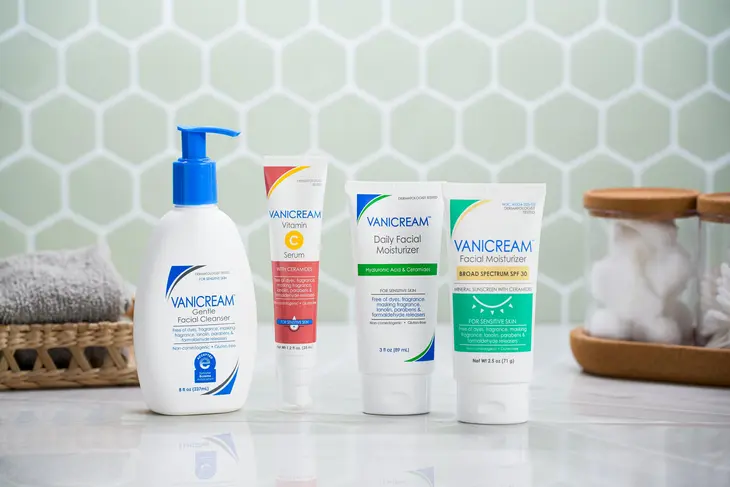
Since cruelty-free status applies at the company level, not the product level, this answer covers the whole lineup, including the Gentle Facial Cleanser, Daily Facial Moisturizer, Moisturizing Cream, and lotion. If the parent company isn’t certified, none of the individual products can carry a verified cruelty-free label either, no matter how gentle or dermatologist-recommended they are.
The one product type worth calling out separately is sunscreen, since sunscreen formulas sometimes involve outside labs for SPF testing that skincare products don’t need. There’s no public evidence that Vanicream’s sunscreen line is handled differently from the rest of its products when it comes to animal testing, but it’s a fair question if you’re being thorough about a specific item in your routine.
Frequently Asked Questions
Is Vanicream cruelty-free according to Reddit?
Opinions on Reddit are mixed, which tracks with the brand’s actual status. Some users point to the brand’s customer service statement as proof enough, while others note the lack of certification as a dealbreaker. Neither side is wrong exactly, they’re just weighing the same facts differently.
Who owns Vanicream, and does that affect its cruelty-free status?
Vanicream is owned by Pharmaceutical Specialties Inc. As Fact 1 explains, trackers judge the brand and the parent company separately, which is the actual source of most of the conflicting claims you’ll see online.
Is Vanicream sold in mainland China?
There’s no clear public confirmation either way, which matters because mainland China has historically required animal testing on many imported cosmetics. If a brand doesn’t sell there, that removes one of the most common reasons a company ends up testing on animals despite an otherwise clean policy.
Is Vanicream cruelty-free in the USA specifically?
Cruelty-free status isn’t determined by country, it’s determined by the company’s testing practices everywhere its products are sold. So the answer for US shoppers is the same as the global answer.
Is Vanicream certified cruelty-free by any organization?
No. As of now, Vanicream doesn’t carry certification from PETA, Leaping Bunny, or similar programs, which is the main reason opinions on its status remain split.
At the end of the day, is Vanicream Cruelty Free doesn’t have the same clean answer as some other brands, but it’s not actually as murky as the conflicting search results make it look either. Once you separate the brand’s own practices from its parent company’s, and the older policy language from the current one, the picture gets a lot clearer.
If this is the moment you’re rethinking a product or two, you don’t have to overhaul your whole shelf. Start with the one that matters most to you, check if a certified dupe exists, and build from there.