
Finding a cruelty free eau de parfum sounds like it should be simple. Skincare has made this easy for a lot of shoppers, since most cruelty-free skincare brands proudly slap a bunny logo right on the bottle. Fragrance is a different story. Perfume houses treat their formulas like state secrets, which means the usual “check the ingredient list” trick doesn’t work the same way, and a lot of well-known designer names quietly fail the cruelty-free test the moment they start selling in markets that require animal testing.
I went through PETA’s cruelty-free database, brand policy pages, and certification records to pull together eight eau de parfum picks that actually clear the bar, from a $20 grocery store find to a $200 celebrity-founded scent. No guesswork, no “probably fine” brands. Every pick here is confirmed cruelty free, and I’ve noted where a brand is fully vegan too, since those aren’t automatically the same thing.
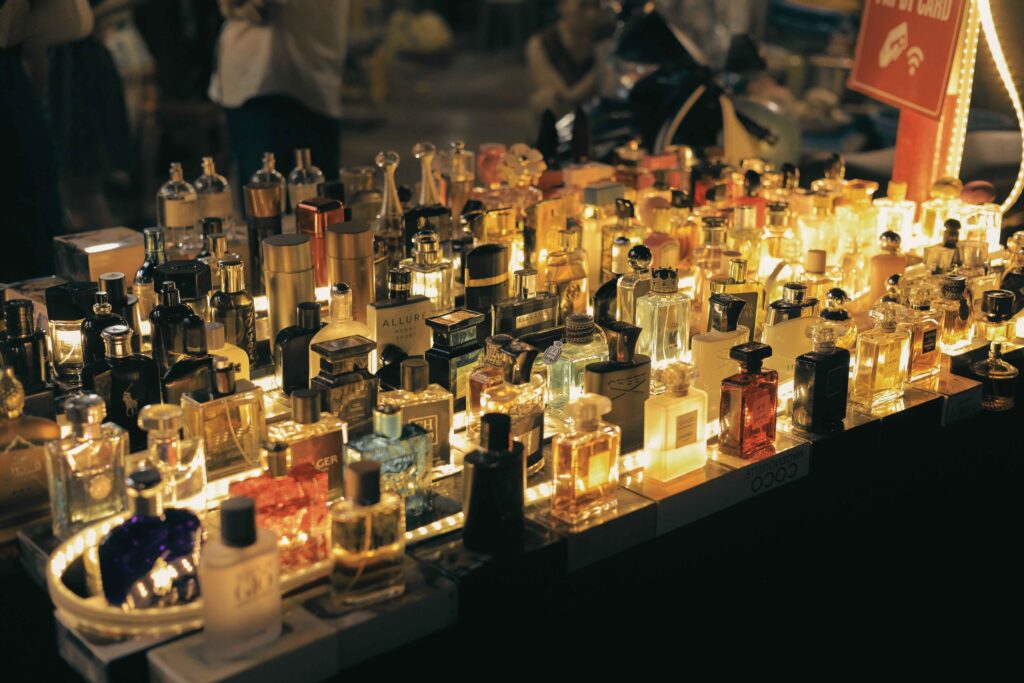
1. Pacifica Perfume (Budget: Around $18 to $26)
Pacifica has been fully vegan and cruelty free since it launched, and it’s PETA certified, not just self-declared. That distinction matters more than people realize. The brand’s fragrance line leans tropical and gourmand, with scents like Hawaiian Ruby Guava and Tahitian Gardenia built from plant-based ingredients rather than synthetic animal musks.
What makes Pacifica worth starting with is how widely it’s stocked. You’ll find it at Target and Ulta, not just niche boutiques, which means you can actually smell it in person before buying instead of gambling on a description. The spray formulas run lighter than most eau de parfum concentrations, so if you’re used to a scent lasting all day, expect to reapply once by early afternoon.
2. Eden Perfumes Chloey (Budget: Around $18 to $25)
Here’s the honest truth about Chloé’s Eau de Parfum: it’s not cruelty free. The brand sells in mainland China, where animal testing is still required by law for many imported cosmetics, and that alone disqualifies it under every major cruelty-free standard. If you love that soft, powdery Chloé scent but don’t want to support a brand that fails on this specific point, Eden Perfumes makes a vegan, cruelty-free alternative called Chloey, handmade in the UK and built to capture the same fresh floral profile.
It won’t be a molecule-for-molecule match. No dupe ever is. But it’s close enough that reviewers describe it as smelling more like the original Chloé did before recent reformulations, which is a fun bonus if you missed the early-2000s version.
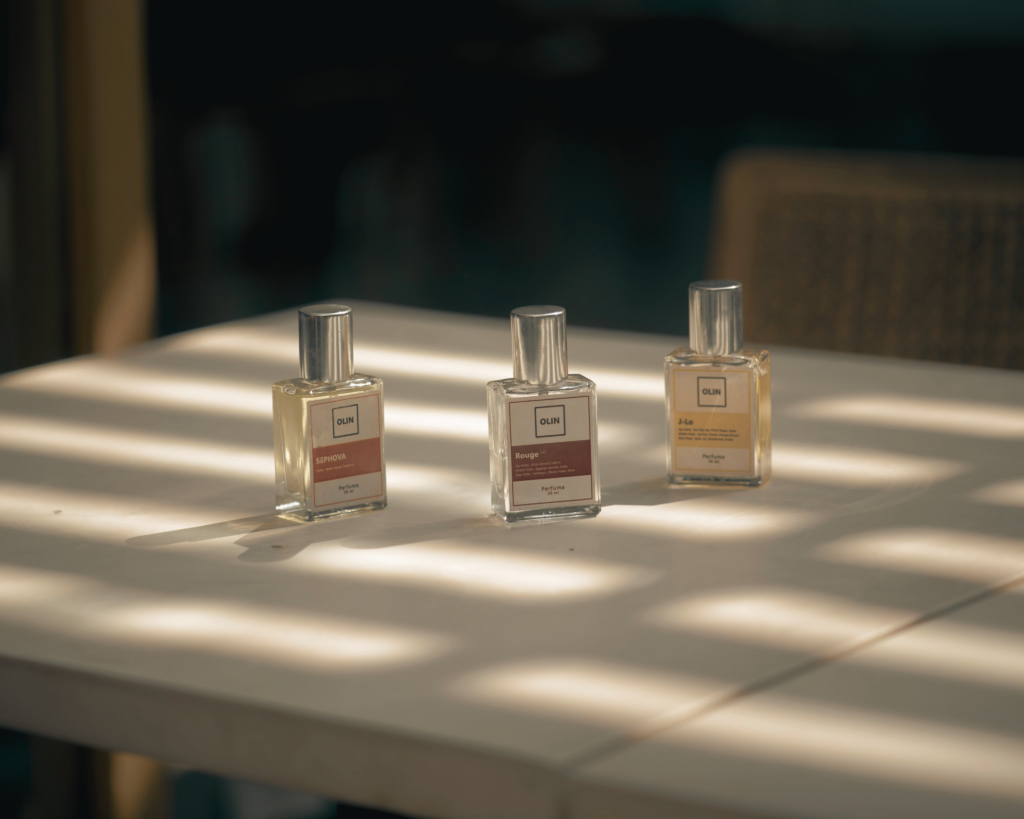
3. Skylar (Budget to Mid: Around $68 to $98)
Skylar is one of the few fragrance brands that’s both Leaping Bunny certified and PETA certified, which is the closest thing to a gold standard cruelty-free fragrance gets. The company was started after the founder’s daughter had allergic reactions to conventional perfume, so every formula is also hypoallergenic and free of parabens and phthalates, on top of being vegan.
The scent profiles read younger and beachier than most department store perfumes, think citrus, salt, and clean musk rather than heavy florals. If you’re new to fragrance shopping and overwhelmed by niche perfume forums throwing around terms like “chypre” and “oakmoss base,” Skylar is a genuinely approachable place to start, and their sample program lets you try before committing to a full bottle.
4. DedCool (Mid: Around $90)
DedCool shows up constantly in cruelty-free fragrance searches for good reason. The Los Angeles brand is listed on PETA’s Ultimate Cruelty-Free List, confirmed not tested on animals anywhere in its supply chain, and its scents like Mochi Milk and Xtra Milk lean into a soft, milky, slightly sweet gourmand style that’s genuinely unlike most mainstream perfume.
I’ll be upfront that DedCool isn’t Leaping Bunny or PETA-certified in the formal sense, meaning it hasn’t gone through third-party audit paperwork, but it has confirmed to certification-focused publications that it meets every checklist requirement, including not selling anywhere animal testing is legally mandated. For a brand at this price point with this much visibility (it’s sold at Neiman Marcus and Free People), that’s a meaningfully higher bar than most designer competitors even attempt.
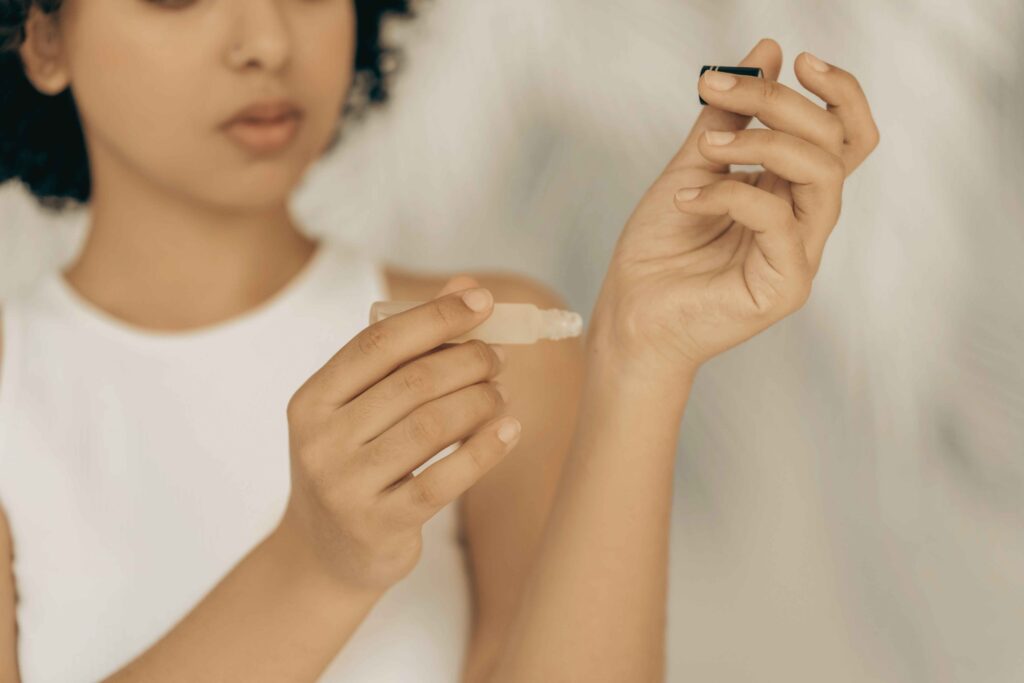
5. Sol de Janeiro Cheirosa ’62 (Mid: Around $68 to $98)
Sol de Janeiro earned its PETA Beauty Without Bunnies certification years before the brand-name recognition caught up, and it’s kept that status even after being acquired by L’Occitane in 2021. Worth flagging honestly: L’Occitane as a parent company isn’t itself cruelty free, so if you avoid brands with any non-cruelty-free ownership on principle, this one won’t clear your bar. If your standard is the brand’s own testing and sales policy, Sol de Janeiro still checks out.
The Cheirosa ’62 Eau de Parfum shares its signature pistachio-and-salted-caramel scent with the brand’s famous Bum Bum Cream, which means you can layer the body cream and perfume for a scent that actually builds instead of clashing, a trick most fragrance lines don’t offer.
6. Ellis Brooklyn Myth (Mid to High: Around $105 to $130)
Ellis Brooklyn is PETA certified vegan and cruelty free, and it’s built specifically around a “wear alone or layer” philosophy, with each scent designed to blend cleanly with the others in the line rather than fight for attention. Myth leans warm and spicy with ambrette seed, jasmine, and musk, subtle enough to wear to work but distinct enough that people notice.
This is the tier where you start paying for restraint as much as ingredients. Niche and indie perfume houses in this range tend to use fewer, higher-quality raw materials instead of stacking on synthetic amplifiers to make a scent project louder, which is part of why Ellis Brooklyn smells noticeably different up close than most mall-brand eau de parfum.
7. 21:50 Rêverie by Victoria Beckham Beauty (Luxury: $200)
This is the pick that surprises people, since a celebrity beauty brand is the last place most shoppers expect to find a genuinely cruelty-free, vegan luxury fragrance. 21:50 Rêverie is confirmed cruelty-free and vegan directly on the brand’s own product page, along with being gluten-free, soy-free, and nut-free, which is an unusually thorough set of disclosures for a $200 bottle.
The scent itself is an amber-woody blend built around raw, animalic-style vanilla (achieved without any actual animal ingredients), tobacco leaf, plum, and cedarwood. It’s darker and less sugary than most vanilla-forward perfumes, closer to what a lot of niche perfumers call a “dirty vanilla.” If you want to test the waters before committing to a full bottle at this price, the brand sells a 10ml travel size and a discovery set that includes samples from its full fragrance line.
8. Arquiste (Luxury: Around $165 to $190)
Arquiste sits in the small club of niche perfume houses that are 100% cruelty free at every stage, including their raw material suppliers and third parties, and the brand has confirmed it doesn’t sell in mainland China. That last detail is the one most luxury fragrance houses quietly avoid confirming, which makes Arquiste’s transparency stand out even more.
Each fragrance in the collection is built around a specific historical moment or place, which sounds gimmicky until you actually smell one and realize how deliberately composed they are compared to a typical department store release. This is the pick for someone who’s already comfortable spending in the designer-perfume range and wants a genuinely artisanal alternative instead of a mainstream name with a bunny sticker slapped on for marketing.
Frequently Asked Questions
What does cruelty free eau de parfum actually mean?
It means the finished perfume, its individual ingredients, and its suppliers were never tested on animals at any stage, and the brand doesn’t sell in markets like mainland China that can legally require animal testing before a cosmetic product hits shelves. A brand can claim “we don’t test” without meeting that second condition, which is where a lot of confusion starts.
Is cruelty free eau de parfum the same as vegan eau de parfum?
No, and this trips people up constantly. Cruelty free is about animal testing. Vegan is about whether animal-derived ingredients like musk, civet, ambergris, or honey are actually in the formula. A perfume can be cruelty free without being vegan, and technically vegan without being certified cruelty free, so check both if both matter to you.
Why aren’t more designer perfumes cruelty free?
Most major designer fragrance houses sell in mainland China, where animal testing has historically been required for imported cosmetics before they can be sold in stores. Even if the brand itself never runs a single test, selling into that market disqualifies it under PETA and Leaping Bunny standards. Recent regulatory changes have opened a narrow exemption for some product categories, but most legacy designer brands haven’t confirmed they qualify across their full lineup.
Where can I buy cruelty free eau de parfum?
Sephora and Ulta both carry a growing number of certified cruelty-free fragrance brands, often filterable directly on their websites. Beyond that, buying straight from a brand’s own site is usually the safest way to confirm current certification status, since that information can change faster than third-party retailers update their listings.
Are cruelty free perfume discovery sets worth trying first?
Yes, especially at the higher price tiers on this list. A $200 bottle is a real commitment, and fragrance is notoriously hard to judge from a description alone since it changes on everyone’s skin. Most of the brands above, including the luxury picks, offer sample sets or travel sizes specifically so you’re not guessing blind.
Final Thoughts
Cruelty free eau de parfum used to mean settling for a thin selection of niche names nobody had heard of. That’s not really true anymore. Whichever budget you’re shopping in, from an $18 Pacifica spray to a $200 Victoria Beckham bottle, there’s a genuinely certified option that doesn’t ask you to compromise on scent quality to get there.
If you’re building out a full cruelty-free routine and not just a signature scent, our cruelty-free makeup brushes guide is a natural next stop. And if you’ve ever wondered whether the designer name in your medicine cabinet actually earns the label, our breakdown of Lancôme’s cruelty-free status is worth a read too.