
If you’ve ever flipped a brush over looking for a “cruelty-free” label and found nothing, you’re not alone. Most brushes don’t say it outright, and a lot of us have been applying foundation with real animal hair without ever knowing it. The good news: synthetic bristles have gotten so good that switching isn’t a downgrade anymore. It’s often an upgrade.
This guide walks you through what actually makes a brush cruelty-free, ten brushes worth adding to your kit, how to keep them in good shape, and where the “vegan” and “cruelty-free” labels stop meaning the same thing.
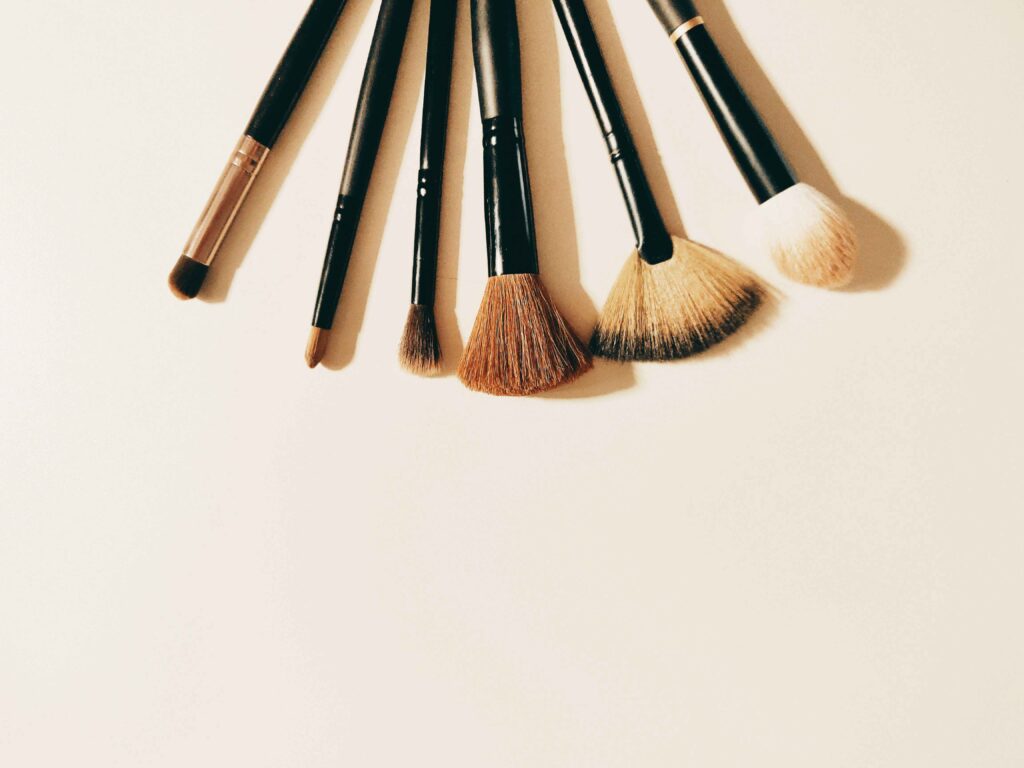
What Makes a Makeup Brush Cruelty-Free?
A brush earns the “cruelty-free” label when no animal was tested on or harmed to make it, full stop. That’s separate from what the bristles are actually made of, which trips people up constantly.
Animal hair brushes usually come from squirrel, sable, goat, or pony hair, and the hair is typically harvested through farming or trapping practices that most people wouldn’t sign up for if they saw the process firsthand. Synthetic brushes swap that out for Taklon or nylon fibers, which are engineered to mimic the softness of natural hair without any of it coming from an animal.
Here’s the part that surprised me the first time I switched: synthetic bristles aren’t just an ethical stand-in. They pick up less bacteria, dry faster after washing, and hold their shape better over time. Animal hair is porous, which means it soaks up more product and bacteria along with it. Synthetic fibers don’t have that problem.
If you want to shop with confidence instead of squinting at ingredient lists, look for two certifications specifically:
- Leaping Bunny – considered the gold standard for cruelty-free certification, with strict supply chain auditing
- PETA’s Beauty Without Bunnies – a widely recognized cruelty-free logo, though it’s self-reported by brands rather than independently audited
Neither certification tells you whether the brush is vegan (we’ll get into why that distinction matters later), but both are a reliable starting point.
Best Cruelty-Free Makeup Brushes
I picked these based on category coverage first, so you’re not stuck buying ten blending brushes and zero foundation brushes, and then narrowed each category down to the brush I’d actually recommend to a friend based on hands-on use, brand research, and how consistently each one shows up as a favorite among makeup artists and everyday users alike. Every one of these uses synthetic bristles and comes from a brand with a documented, verifiable cruelty-free stance, not just a vague “we love animals” claim on the packaging.
Here’s the quick version before the full breakdown:
| Brush | Best For | Price Range (approx.) |
|---|---|---|
| EcoTools Bamboo Foundation Brush | Liquid foundation, everyday base | $6-$10 |
| Real Techniques Miracle Complexion Sponge + Brush Duo | Sheer, blended foundation finish | $9-$15 |
| Bdellium Tools 957 Precision Kabuki | Powder blush, bronzer, cream-to-powder | $16-$24 |
| INIKA Organic Kabuki Brush | Mineral powder, full coverage | $28-$36 |
| Elate Cosmetics Blending Brush | Eyeshadow blending | $18-$24 |
| Urban Decay Good Karma Eyeshadow Brush | Pigment pickup, eye looks | $22-$26 |
| Antonym Cosmetics Eyeshadow Blending Brush | Soft blending, sensitive eye area | $20-$28 |
| Flower Beauty Powder Brush | Budget everyday powder application | $8-$12 |
| Well People Angled Contour Brush | Cream and powder bronzer | $16-$20 |
| KVD Beauty Precision Face Brush | Concealer, spot correction | $20-$26 |
Prices shift by retailer and sales, so treat these as ballpark ranges rather than exact figures, and check current pricing before you buy.
1. EcoTools Bamboo Foundation Brush (around $6-$10) – Dense, rounded bristles that buff liquid foundation into skin instead of dragging it around. The bamboo handle isn’t just a sustainability detail, it’s genuinely lighter in your hand during long application sessions.
2. Real Techniques Miracle Complexion Sponge + Brush Duo (around $9-$15) – Real Techniques built its whole reputation on affordable, high-performing synthetic tools, and their base brushes still hold up against far pricier competitors.
3. Bdellium Tools 957 Precision Kabuki (around $16-$24) – A tightly packed, flat-topped kabuki that’s become a go-to for editorial and bridal makeup artists. It buffs powder blush, bronzer, and cream-to-powder formulas without leaving streaks.
4. INIKA Organic Kabuki Brush (around $28-$36) – The bristles are vegan and the handle is biodegradable PLA made from corn and cassava. It’s dense enough for full-coverage mineral powder application.
5. Elate Cosmetics Blending Brush (around $18-$24) – Elate builds its brushes with bamboo handles and vegan Taklon bristles, and the brand backs it up with PETA and Cruelty Free International certification plus B Corp status.
6. Urban Decay Good Karma Eyeshadow Brush (around $22-$26) – Soft, tapered synthetic bristles that pick up pigment without shedding into your eyeshadow, which matters more than people realize until it happens with a cheap brush.
7. Antonym Cosmetics Eyeshadow Blending Brush (around $20-$28) – Certified vegan and cruelty-free with compostable bamboo handles, and the bristles are soft enough for the delicate eye area without feeling flimsy.
8. Flower Beauty Powder Brush (around $8-$12) – Budget-friendly and widely available at Walmart and Ulta, using high-quality synthetic hair that punches above its price point.
9. Well People Angled Contour Brush (around $16-$20) – 100% Taklon nylon bristles designed specifically for cream and powder bronzer, with a firm enough edge to actually define instead of just blur.
10. KVD Beauty Precision Face Brush (around $20-$26) – A firmer synthetic brush built for concealer and spot-correcting, which is exactly where you want more control and less product absorption.
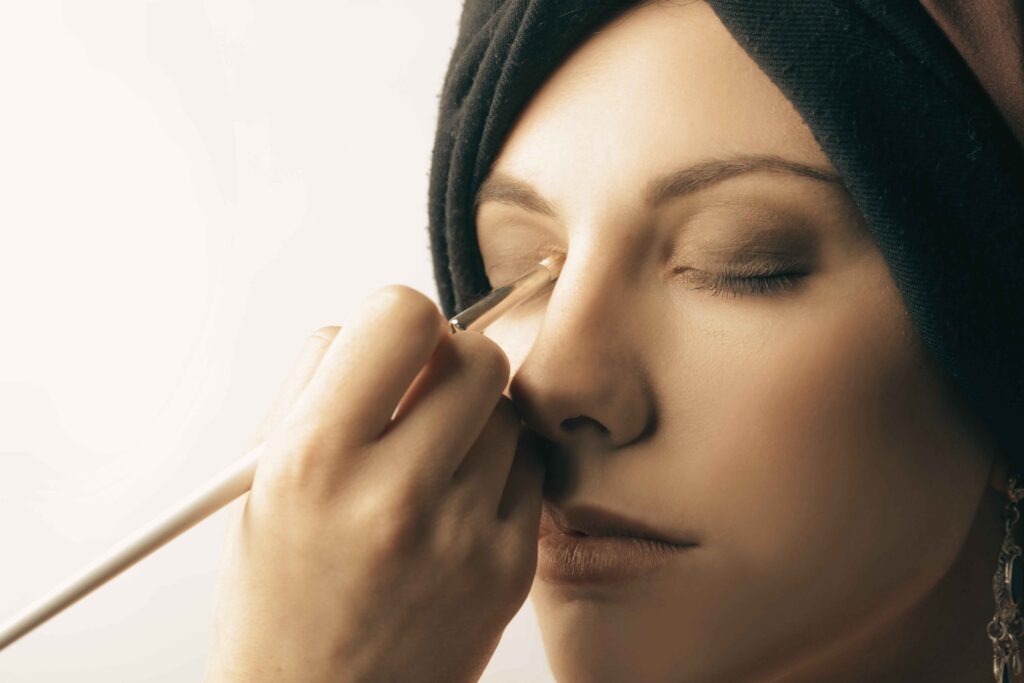
Cruelty-Free Foundation Brushes
Foundation is where brush choice matters most, because a bad brush shows up as streaks, patchiness, or that weird “brush marks under studio lighting” look. Cruelty-free foundation brushes tend to fall into two camps: dense flat-top brushes for buffing, and duo-fiber brushes for a lighter, airbrushed finish.
If you’re using a heavier, full-coverage foundation, reach for something like the Bdellium 957 Kabuki or EcoTools Bamboo Foundation Brush. Their density means less product gets trapped in the bristles, so more actually ends up on your face instead of wasted in the brush head.
If you prefer a sheerer, more skin-like finish, a duo-fiber brush (Bdellium’s 953 Duet Fiber is a solid pick) picks up less product per swipe and blends it out in soft layers instead of one solid mask.
Pairing the right brush with the right formula makes a bigger difference than most people expect. If you’re still figuring out which foundation actually works for your skin type, check out our guide on the best drugstore foundations for oily skin before you commit to a brush that’s built for the wrong formula.
Beyond Brushes – Other Cruelty-Free Tools to Pair With Your Kit
Once your brush collection is sorted, it’s worth looking at the rest of your routine with the same standard. Two categories worth a mention here, without turning this into a full second post:
Cruelty-free lash serums have come a long way from the early, sticky formulas. Look for ones using peptides and biotin instead of prostaglandin analogs, which some serums borrow from prescription glaucoma treatments and haven’t always been tested cruelty-free.
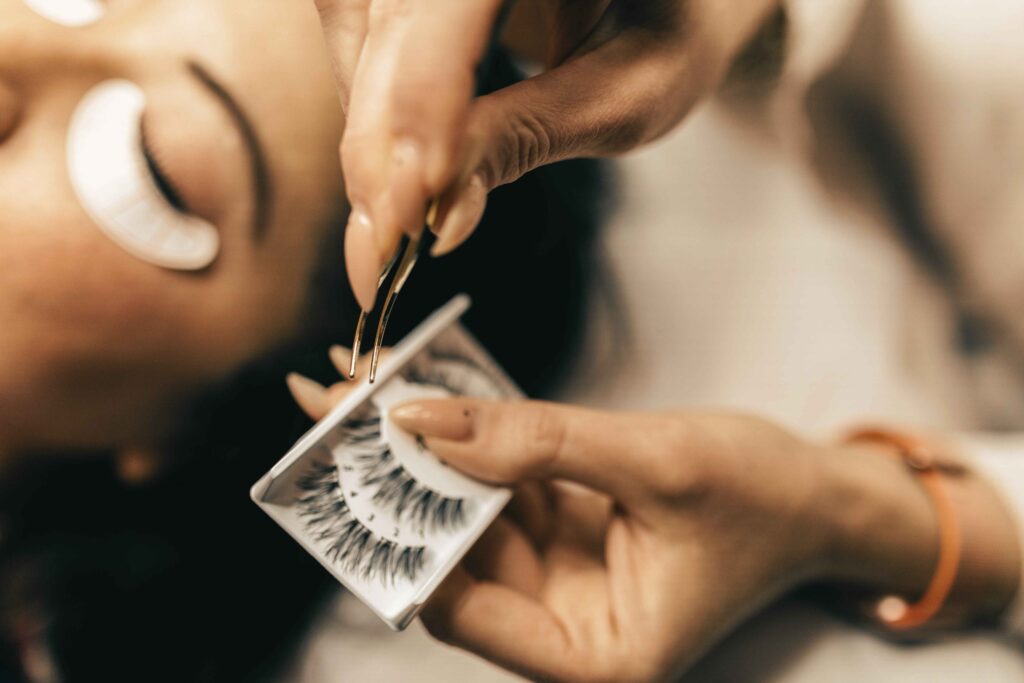
Cruelty-free false lashes are now widely available in synthetic silk or faux mink fibers, both of which mimic the fluttery look of real mink lashes without the animal hair. Synthetic strip lashes also tend to hold their curl better through humidity, which real mink lashes struggle with.
Neither of these needs a huge deep-dive here, but if your brush kit is cruelty-free and your lashes aren’t, you’re only halfway there.
How to Clean and Care for Cruelty-Free Brushes
Synthetic brushes are lower-maintenance than animal hair, but “lower-maintenance” isn’t the same as “no maintenance.” Bacteria builds up on any brush you use daily, cruelty-free or not.
Wash your everyday brushes (foundation, concealer, cream products) once a week. Powder brushes for eyeshadow and blush can stretch to every two weeks if you’re not sharing them or using them on broken-out skin.
Here’s a simple process that actually works:
- Wet the bristles with lukewarm water, keeping the ferrule (the metal part) dry to protect the glue holding the bristles in place.
- Swirl the brush gently in a cleanser or a mix of mild dish soap and water.
- Rinse until the water runs clear.
- Reshape the bristles with your fingers and lay the brush flat to dry, ideally hanging bristle-side down over the edge of a counter.
Never dry a brush standing upright. Water seeps into the ferrule, loosens the glue, and your bristles start shedding within a few uses. It’s one of the fastest ways to kill an otherwise good brush.
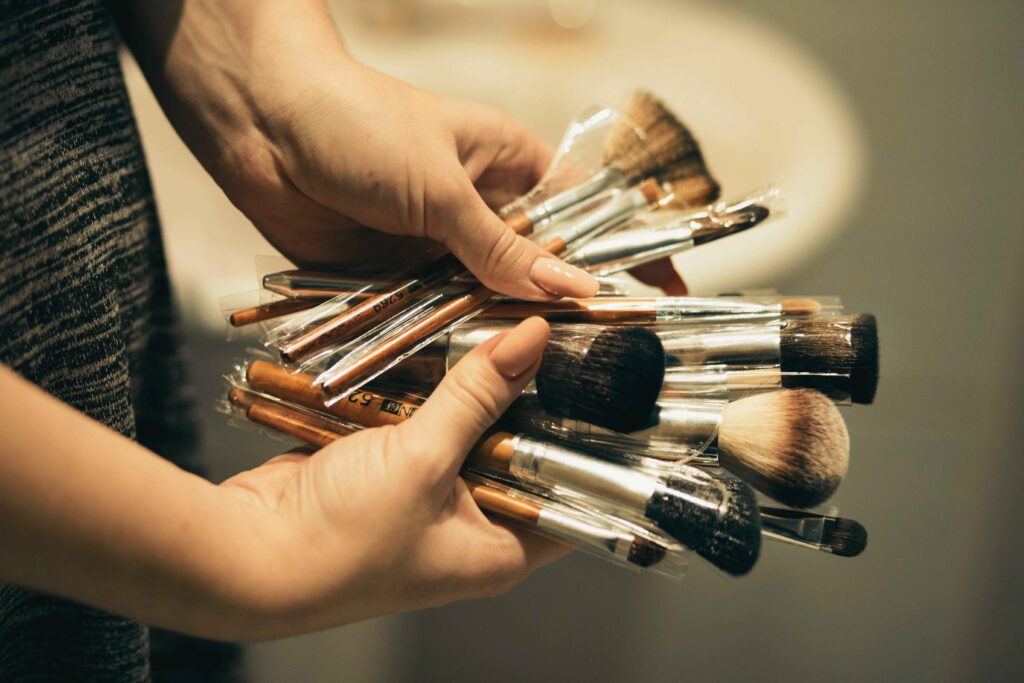
Cruelty-Free vs. Vegan Brushes – What’s the Difference?
These two terms get used interchangeably, and that’s causing more confusion than it should.
Cruelty-free means no animal testing happened anywhere in the production process. It says nothing about materials. A brush can technically be cruelty-free and still use animal hair, as long as no animal was tested on to make it, which is a distinction most shoppers never realize exists.
Vegan means no animal-derived materials were used at all, which covers the bristles themselves plus things like animal-based glues sometimes used in the ferrule.
So a brush can be cruelty-free without being vegan, but a genuinely vegan brush is always cruelty-free by definition, since there’s no animal material involved to test on in the first place. If you want the strictest ethical standard, look specifically for “vegan” on the label or product description, not just “cruelty-free.” Brands like INIKA Organic, Elate, and Antonym use both terms because their brushes actually meet both standards.
Frequently Asked Questions
Are cruelty-free brushes as good as animal-hair brushes?
In most cases, yes, and often better. Synthetic bristles resist bacteria growth, dry faster, and hold their shape longer than natural hair, which tends to soak up more product and degrade faster with regular washing.
How do I know if a brush is really cruelty-free?
Look for a Leaping Bunny or PETA Beauty Without Bunnies logo on the packaging or brand website. If neither is listed, check the brand’s official cruelty-free policy page directly rather than assuming based on marketing language alone.
Are synthetic brushes better for sensitive skin?
Generally yes. Synthetic bristles don’t carry the same allergen risk as animal hair, and their non-porous surface holds less bacteria between washes, which matters if you’re prone to breakouts or irritation.
Final Thoughts
Switching to cruelty-free makeup brushes isn’t a compromise you make for the sake of your conscience. The synthetic bristles on this list apply product more evenly, clean up faster, and last just as long (if not longer) than anything made from animal hair.
Start with one or two from this list, maybe a foundation brush and a blending brush, and build out from there as you replace what’s already wearing down in your kit. Once you feel the difference in how these apply, going back to animal hair brushes won’t even cross your mind.
If you’re rebuilding your whole beauty routine around cleaner, more ethical choices, it’s worth taking the same close look at your foundation formula next.