
I used to keep a pair of flats in my desk drawer for the walk back to my car, because by three in the afternoon my kitten heels felt like a mistake I’d made that morning and forgotten to fix. That was a few years ago, before I actually understood what separates a kitten heel that disappears on your foot from one that reminds you it exists every single step. Kitten heels for women have quietly become some of the most comfortable heels for women who still need to look pulled together at work, and after testing ten different pairs through actual workdays, not just wearing them around my kitchen for twenty minutes, I finally know which ones earn a permanent spot in a work rotation and which ones belong in the donation pile. Here’s what I found, plus exactly what to check before you buy your own.
Are Kitten Heels Actually Office Appropriate?
Short answer: yes, more than almost any other heel style. I didn’t fully believe that myself until I wore a pair through a day that included a board presentation, a rushed lunch three blocks away, and a dash up two flights of stairs when the elevator was out of service. Nothing about that day would have worked in anything taller, and nothing about it felt like a compromise either.
The math backs up the feeling. A kitten heel typically sits somewhere between one and two inches, occasionally stretching toward two and a half depending on the brand, which puts it well under the three inch line that most conservative offices treat as the ceiling for appropriate heel height. That shorter height also means you’re not throwing your weight forward onto the ball of your foot the way a three or four inch heel forces you to. Not every high heel works once you’re on your feet for eight hours straight, but a kitten heel usually does.
There’s real history behind why this particular height reads as professional rather than flashy. The style got its start in the 1950s as what people at the time called a training heel, a shorter, easier version of the stiletto meant for young women who weren’t ready for the real thing yet, back when stilettos themselves were brand new. Audrey Hepburn wore them through the 1960s and made them look like the opposite of a beginner shoe. Decades later, the style became something close to a uniform for serious professional women specifically, worn by figures like Hillary Clinton, Michelle Obama, and former UK Prime Minister Theresa May because the height reads as grounded and polished rather than done up for attention.
That reputation is holding up in real time, not just in old photos. The pointed toe kitten heel had a genuine moment on the runway this year, and fashion editors have been calling it one of the most wearable shoe trends around, the kind of thing that looks put together with almost no effort. I actually already put a slingback kitten heel on my office sandals list as the pick for client meetings and dressier days, and when I wrote up the trend outlook for that piece, kitten heels were the one style I called out as the most useful for office wear this year. Nothing I’ve seen since has changed my mind.
None of that means every kitten heel is automatically comfortable, though. That part depends entirely on construction, and it’s worth understanding before you spend money on a pair.
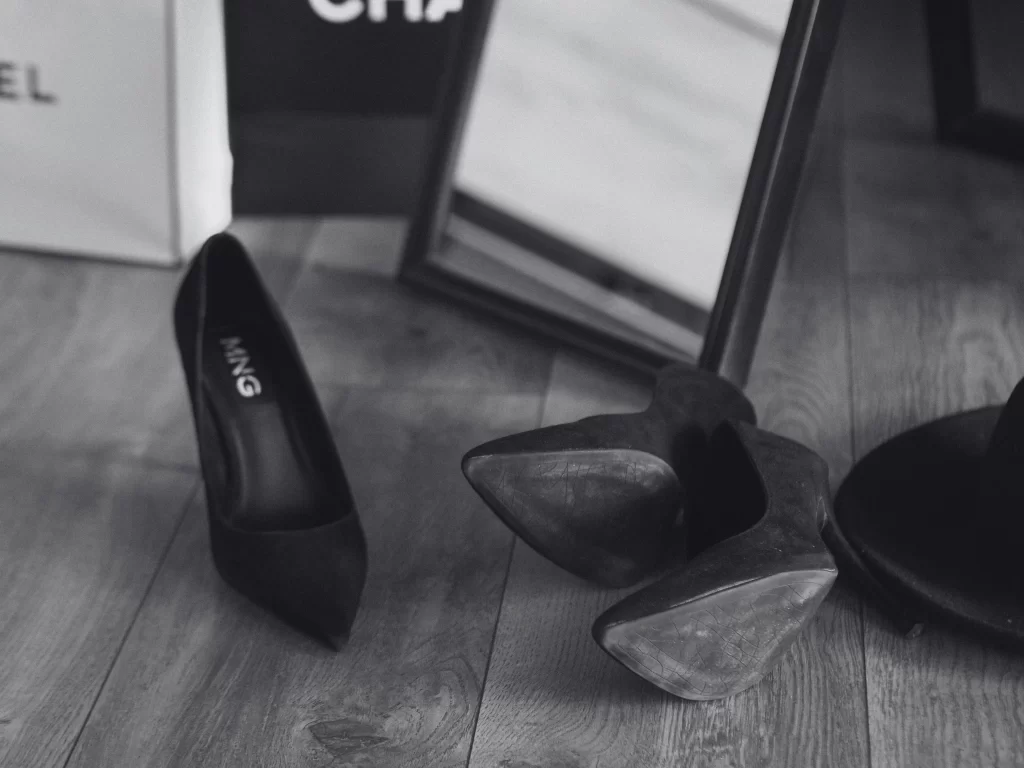
What to Look for Before You Buy Comfortable Kitten Heels
Here’s an opinion I’ll defend: kitten heels get marketed as the easy, beginner friendly heel, the one you graduate into before you’re ready for real heels, and I think that’s backwards. A block heel or a wedge forgives a slightly off stride because there’s a wide base underneath you the whole time. A kitten heel doesn’t forgive much of anything. The base of support is small and the heel is thin, which means your foot has to land in almost exactly the same spot every time or you feel it.
One buyer for a European fashion retailer put this plainly when asked why a shorter heel could still feel unstable, pointing out that a kitten heel can still be easy to slip in even though it looks more forgiving than a stiletto. Researchers studying heel height and balance have found something similar. Even at what they classify as a low heel height, close to where most kitten heels actually sit, standing balance and calf muscle effort both measured differently than they did in flat shoes. A kitten heel is genuinely more forgiving than a stiletto. It is not the same as flat, and treating it that way is how people end up rolling an ankle off a curb.
So here’s what actually matters when you’re choosing a pair. Look for a footbed with real contouring at the arch, not just a flat pad glued to a flat sole, especially if you’re on your feet moving between meetings rather than sitting at a desk most of the day. Check the toe box width before you buy, since a kitten heel’s whole appeal falls apart if your toes are being squeezed the entire time you’re wearing it. If you deal with bunions or a wider forefoot, look specifically for a brand that builds in a genuinely wider last rather than one that just adds a half size, because those solve two different problems.
The detail almost nobody checks, and the one that actually taught me a lesson: the heel tip. About seven weeks into testing pairs for this roundup, on a day that had two client calls and a walk to grab lunch with a coworker, the tip on a cheap pair I’d grabbed online wore straight through to the metal core. I heard it before I felt it, a faint click against the pavement with every step on the way back to the office. A well built kitten heel uses a proper rubber cap over that metal pin, thick enough to survive regular sidewalk contact and, ideally, replaceable at a shoe repair shop instead of forcing you to toss the whole pair. Check this before you check almost anything else on the list below.
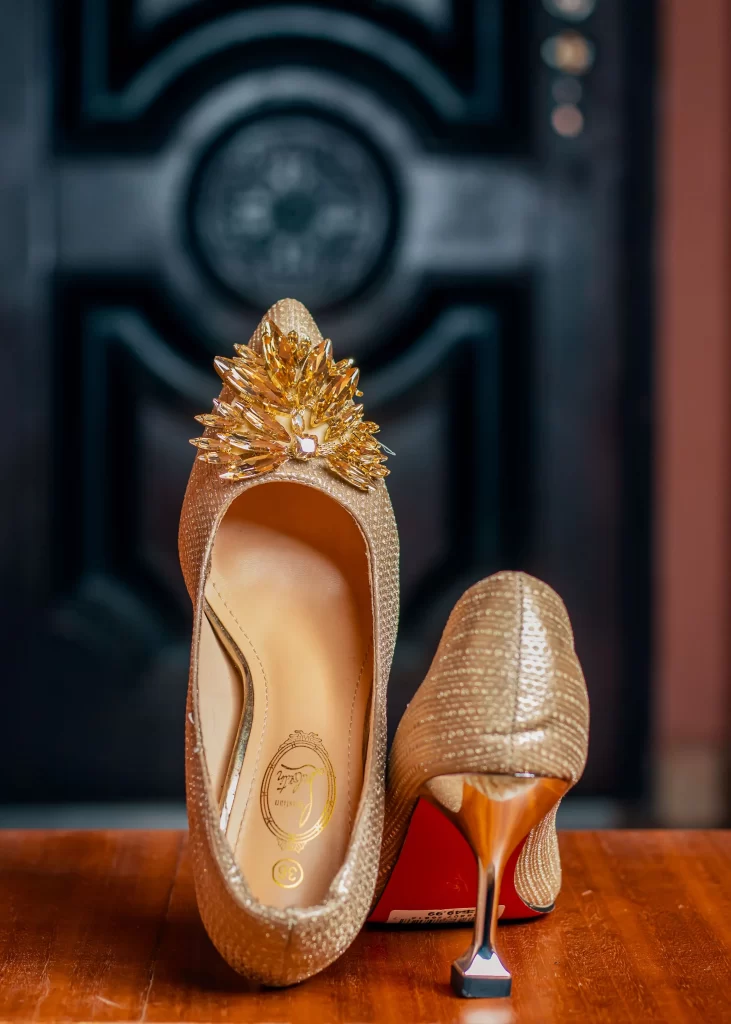
10 Kitten Heels for Women That Actually Work for the Office
Pricing and color options shift by season and retailer, so treat what’s below as a starting point rather than a guarantee, and always check current availability before you order.
1. Naturalizer Natalia Kitten Heel Pump: Best Overall
This is the pair I’d tell a friend to buy first if she only wants one, especially in black. Black kitten heels are the one color that works with everything already in your closet, so start there before branching into a second color. The pointed toe reads polished under trousers or a skirt, the heel sits at a walkable 1.25 inches, and Naturalizer builds its own cushioned footbed with real arch shaping into the sole instead of a flat insert. It also comes in extended wide widths up to a size 12, which most brands on this list don’t offer.
2. Vionic Josie Kitten Heel Pump: Best for Arch Support
If your feet are the reason heels feel like a trade off, start here. Vionic builds a podiatrist designed orthotic footbed directly into the sole rather than relying on a soft insert that packs down after a few wears, and you can feel the arch support the moment you put weight on your heel. The trade off is a slightly boxier fit through the arch than a pure fashion pump, which is worth it if plantar pain is your actual problem.
3. Sole Bliss Kitty: Best for Wide Feet and Bunions
Most wide fit heels solve width by adding a half size and calling it done, which usually just moves the pinch point instead of removing it. This one is built differently, with a genuinely deep, wide toe box and a stretch panel across the forefoot designed specifically around bunions. It runs at a higher price point than the mass market brands on this list, but if you’ve given up on heels entirely because of bunion pain, it’s worth the splurge.
4. Cushionaire Milan Kitten Heel Sandals: Best Budget Comfort Pick
Open toe rather than a closed pump, which makes this one better suited to warmer months or a more casual office, but the memory foam footbed genuinely holds up over a full day standing. At well under a hundred dollars, it’s the easiest recommendation on this list for anyone who wants to try the trend before committing to a pricier pair.
5. Coach Margot Slingback Kitten Heel Pump: Best Splurge
The signature buckle hardware on the slingback strap keeps this from reading as a basic pump, and the strap itself does real work, holding your heel in place so you’re not gripping with your toes to keep the shoe on all day. This is the pair I’d wear to a client dinner straight after work, not just the nine to five.
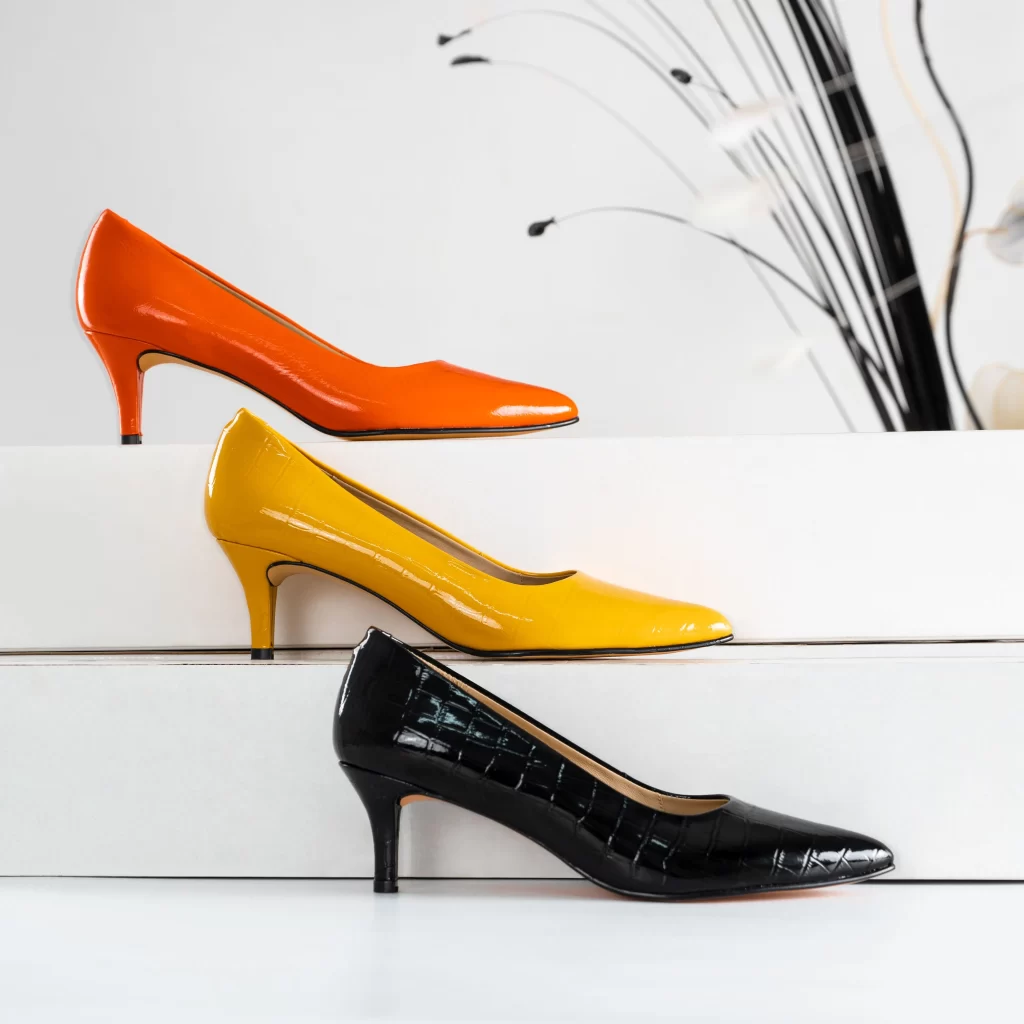
6. Marc Fisher Florin Kitten Heel Mule: Best for Easy On and Off
No strap, no buckle, just a clean slip on silhouette with a small bow at the pointed toe. That makes it the fastest shoe on this list to get in and out of at airport security or a shared office where you’re kicking your shoes off under the desk, though a backless mule will always feel slightly less secure by the end of a long walking day than a pump.
7. Sam Edelman Dori Kitten Heel Pump: Best for Casual Pairing
This is the one I reach for on the days my outfit is jeans and a blazer rather than full trousers. Sam Edelman built its name on that exact in between, dressy enough for the office but relaxed enough to not look like you’re trying too hard, and the Dori carries that off better than most of the sharper, more formal pumps on this list.
8. Steve Madden Kittie Slingback Pump: Best Affordable Trend Pick
A glossy patent finish and a sharp pointed toe make this one feel more fashion forward than most of the classic pumps here, at a price closer to Cushionaire than Coach. The elasticized slingback strap runs true to size, which isn’t always the case with slingbacks, where a strap that’s too tight or too loose ruins the whole shoe.
9. Journee Collection Dyllan Kitten Heel Dress Sandal: Best for Weddings
A double strap dress sandal in white, built specifically for the kind of event where you’re on your feet for six hours and still need to look pulled together in photos. It’s a sandal rather than a closed pump, so save this one for warm weather weddings rather than a winter office, but it earns its spot for anyone specifically searching for bridal appropriate kitten heels.
10. Dream Pairs Kitten Heel Pump: Best Under $30
The most affordable pair on this list by a wide margin, with a classic round toe, a 2.5 inch heel, and a latex insole that’s better than you’d expect at this price. It won’t survive daily wear the way the Naturalizer or Vionic pairs will, but if you just want to know whether kitten heels work for your feet before spending real money, this is where to start.
Kitten heels are also the shoe I reach for most under wide leg trousers, since a pointed toe elongates the leg the same way a pointed flat does in my wide leg linen pants styling guide, just with a little more height added on top.
Frequently Asked Questions
Are kitten heels still in style in 2026?
Yes, and not just as a throwback. Pointed toe kitten heel court shoes had a genuine moment on runways in 2026, which is a different kind of trend than the slingback and mule styles that never really left. If you buy one pair this year, the pointed toe pump is the safest bet for looking current rather than nostalgic.
What is the difference between kitten heels and stilettos?
Height and stability, mostly. A stiletto usually runs three inches or taller with an extremely thin heel, while a kitten heel sits between one and two inches with a slightly thicker, often tapered heel. Both are technically the same heel shape scaled down, but the shorter height changes how much your weight shifts forward onto the ball of your foot.
Do kitten heels look good on petite or shorter women?
Yes, arguably more than a flat does. A one or two inch heel adds just enough length to the leg to look intentional without pushing your proportions out of balance the way a much taller heel can on a shorter frame. Pair them with a slightly cropped pant so the shoe doesn’t disappear under the fabric.
How do I choose the right kitten heel for my feet?
Start with your actual foot shape rather than the shoe you like the look of. Wide feet or bunions need a brand with a genuinely wider last, not just a bigger size. Arch pain needs real orthotic structure built into the sole. Everyone else can prioritize toe box shape and heel tip quality, since those are what separate a comfortable pair from one you’ll stop wearing after a month.
Is it actually harder to walk in kitten heels than flats?
A little, yes, and it’s worth being honest about that instead of pretending a shorter heel means zero adjustment. The smaller base of support means your foot needs to land the same way with each step, so give yourself a short break in period around the house before wearing a new pair for a full day out.
I went into this expecting to find one clear winner and instead found ten pairs that each solve a slightly different problem, which is probably the more honest outcome anyway. If you only take one thing from this, let it be the heel tip advice. It’s the detail nobody thinks to check and the one most likely to end a good pair early.
Start with whichever pick above matches your actual foot problem, not just the one that photographs best, and give it a full week of real wear before deciding it’s not for you. Most of the discomfort people blame on kitten heels as a category turns out to be one specific pair that was never built for their foot in the first place.