
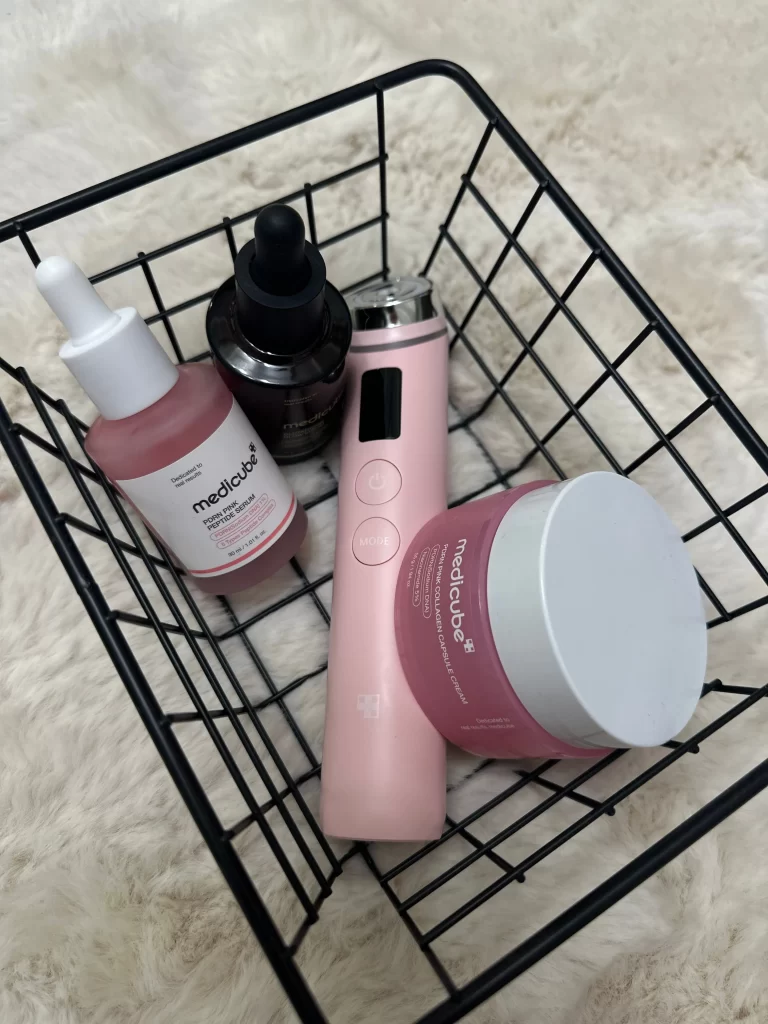
I bought my first tube of Medicube’s PDRN serum because a dermatologist on my For You page called it the salmon sperm serum everyone was suddenly obsessed with, and I wanted to see what the fuss was about before I recommended it to anyone. Three weeks into using it every night, my skin genuinely looked better. Then a reader asked me the one question I hadn’t actually checked myself: is Medicube cruelty free? I assumed yes, mostly because I remembered seeing “not tested on animals” somewhere on their site. That assumption was wrong to make without checking, and it took about two weeks of reading Korean cosmetics law, Chinese animal testing regulation, and one very specific admission from an independent tracker to figure out why the honest answer isn’t a clean yes or no.
The Quick Answer: Is Medicube Cruelty Free?
Here’s where I land after going through this. Medicube is not certified cruelty free by Leaping Bunny or PETA, full stop. Its own site states its products are not tested on animals, and that claim has real legal backing since Korea does not require animal testing for cosmetics made and sold there. But at least one independent tracker says it contacted Medicube directly and got confirmation that the brand sells a separate product line in mainland China, a market where animal testing can still legally be required. Medicube’s own materials never mention China at all when answering the cruelty free question. That gap between what the brand says and what an outside investigator found is exactly why I can’t hand you a confident yes.
If you want the short version for a shopping decision: treat Medicube as unverified rather than confirmed cruelty free until it either gets certified or gives a direct answer about China.
What Medicube Actually Says About Animal Testing
I went to Medicube’s own global site to read the policy in its own words rather than trusting a summary. The brand’s FAQ states plainly that its products are not tested on animals, and tells shoppers to check individual product packaging for specific cruelty free certifications. That’s the entire official statement. No mention of suppliers, no mention of third parties, no mention of which countries the products ship to.
That short answer isn’t meaningless though. Medicube is manufactured by APR Corporation in Seoul, and South Korea banned mandatory animal testing for finished cosmetics sold domestically back in 2017. So a Korean origin brand starts from a genuinely different legal floor than a brand manufactured somewhere that still requires it. I want to give credit where it’s due here. Plenty of the site’s other brand checks, Redken, NARS, Lancome, land on a no because the brand openly admits testing “when required by law.” Medicube’s language doesn’t include that carve out anywhere I found. That’s a meaningfully cleaner statement than most of the mass market brands I’ve checked.
The China Question That Actually Decides This
This is the part that took me the longest to untangle, so let me walk through it the way I had to. China changed its cosmetics animal testing rules in 2021. General cosmetics, meaning most skincare and makeup, no longer require mandatory pre market animal testing if the manufacturer provides a safety assessment report and a manufacturing certificate. That sounds like the China loophole closed. It didn’t, not fully. Special use cosmetics, a category that covers sunscreens, hair dye, whitening products, and anything making a new efficacy claim, can still trigger animal testing. And in practice, actually using the exemption paperwork is still uncommon enough that watchdog sites treat any mainland China retail presence as a red flag by default.
That’s where the dispute comes in. One independent tracker says it contacted Medicube directly, asked specifically whether the brand sells in mainland China, and got confirmation that it does, through a separate product line kept apart from what ships to the US and other international markets. A second tracker looked for the same confirmation and came back uncertain, unable to find proof either way. Medicube’s own site doesn’t address China at all in its cruelty free answer. So you’ve got one source saying confirmed yes, another saying unconfirmed, and the brand itself saying nothing. That’s not a settled no, and it’s not a settled yes either. It’s genuinely disputed, which is the exact word I used in this piece’s title on purpose.
Here’s my honest, slightly contrarian take on this. I don’t think the missing Leaping Bunny badge is actually the real problem. Certification costs money and takes a formal audit, and plenty of genuinely clean Korean brands skip it purely over cost, not because they’re hiding something. The real problem is narrower and more specific than “no badge.” Medicube had a direct, specific question put to it about China and, going by what’s publicly documented, didn’t put a clear answer on its own site addressing it. A brand that’s confident its China line doesn’t compromise anything usually says so outright. Staying quiet on the one detail that actually decides the verdict reads worse to me than an honest admission would.
Is Medicube Certified by PETA or Leaping Bunny?
No. Every source I checked, including Medicube’s own materials, agrees on this part. There’s no Leaping Bunny logo, no PETA Beauty Without Bunnies listing, nothing from either organization confirming the brand’s status independently. I ran into this exact setup once before digging into La Roche Posay’s cruelty free claims, a completely different brand from a completely different country with the same pattern underneath, a plausible sounding policy statement with no outside body actually verifying it. Lack of certification isn’t automatic proof of guilt on its own. It does mean you’re trusting the brand’s word rather than an audited process, and that trust gets a lot shakier once a specific detail like mainland China distribution comes up and doesn’t get a straight answer.
Salmon DNA, PDRN, and Why Cruelty Free Doesn’t Mean Vegan Here
Since this question comes up constantly, let’s settle it directly. Medicube’s PDRN line, the pink serums and the Collagen Exosome Shot included, uses polydeoxyribonucleotide extracted from salmon sperm or roe DNA. I checked the ingredient label on the bottle sitting in my own bathroom while writing this, and it’s right there. This isn’t a Medicube specific issue either. Every major PDRN skincare brand I looked into sources the ingredient the exact same way, since salmon DNA is abundant, cheap, and typically pulled as a byproduct of the seafood industry rather than harvested specifically for skincare.
Salmon gets used instead of human derived material for a mix of practical and ethical reasons, not squeamishness. Human tissue sourcing for cosmetic ingredients is heavily restricted and essentially unavailable at any commercial scale, and salmon DNA works through the same basic mechanism dermatologists rely on it for, triggering the skin’s own repair and collagen response, without needing a human source at all.
This is exactly where cruelty free and vegan split into two different questions, and Medicube is a clean example of that split. Cruelty free is about whether an animal was tested on. Vegan is about whether an animal derived ingredient made it into the formula. A brand can clear the first bar and completely miss the second, and that’s precisely what happens with any PDRN product from any brand. No animal was harmed collecting salmon DNA that’s typically a fishing industry byproduct anyway, but the ingredient itself still comes from an animal, so it can’t honestly be called vegan regardless of what testing policy sits behind it. If PDRN’s regenerative effect matters to you more than the vegan label, know that the visible benefit tends to fade within several weeks of stopping use, since it’s supporting an ongoing skin process rather than making a permanent change.
Which Korean Skincare Brands Are Actually Cruelty Free
If the uncertainty around Medicube bothers you enough to want a safer bet, Korea’s industry wide baseline genuinely helps here. Because the country banned mandatory animal testing for cosmetics sold domestically, most Korean brands start from a cleaner floor than brands built around markets that still require it. Some go further and actually get certified. COSRX and Beauty of Joseon both show up consistently across independent trackers as cruelty free, and COSRX in particular holds certifications that Medicube simply doesn’t have. Purito and Klairs are two more names worth knowing if certification specifically matters to you, since both carry PETA or Leaping Bunny recognition rather than just a policy statement on their own site.
None of that makes Medicube automatically worse than these brands on ethics alone. It just means those four have outside verification behind the claim, and right now Medicube is asking you to take its word for it on the one detail that actually matters most.
Is Medicube or Anua Better?
This one comes up a lot, and it’s worth separating from the cruelty free question entirely, since it’s really about skin type fit rather than ethics. Medicube leans into pores, texture, and active forward formulas, so it tends to suit oily, congested, or acne prone skin best. Anua leans toward calming and hydration, built around soothing ingredients like heartleaf, which makes it the better starting point for reactive, dry, or easily irritated skin. Plenty of people end up using both, rotating Medicube’s pore focused pads with Anua’s calming toner depending on what their skin needs that week. Neither brand publicly holds a stronger cruelty free certification than the other as of this writing, so I wouldn’t let ethics be the deciding factor between these two specifically. Let your skin concern pick the winner instead.
Frequently Asked Questions
Is Medicube tested on animals?
Medicube states plainly on its own site that its products are not tested on animals, and Korean law doesn’t require it for cosmetics sold domestically there. The unresolved part is whether a separate product line sold in mainland China changes that picture, since one independent tracker says the brand confirmed it does sell there.
Does Medicube’s PDRN contain salmon sperm?
Yes. Medicube’s PDRN products, including the pink serums and the Collagen Exosome Shot, use polydeoxyribonucleotide extracted from salmon sperm or roe DNA. It’s standard across the entire PDRN skincare category, not something unique to this brand.
Is Medicube vegan?
No, not across the board. The PDRN line contains salmon derived DNA, which rules those specific products out of vegan territory regardless of the brand’s testing policy. Several other lines, including the Zero pore care range, don’t appear to contain obvious animal derived ingredients based on published labels, so check the specific product you’re considering rather than assuming the whole brand is one thing or the other.
Which Korean skincare brands are actually cruelty free?
COSRX and Beauty of Joseon are the two names that come up most consistently with real backing, and Purito and Klairs both carry outside certification if that badge matters to you specifically. Korea’s domestic ban on animal testing gives the whole industry a cleaner starting point than markets without one, though certification still separates the verified brands from the ones just making a claim.
Is Medicube or Anua better?
It depends entirely on your skin, not on ethics. Medicube targets pores, texture, and oily or congested skin. Anua focuses on calming and hydration, which suits sensitive or dry skin better. Plenty of people use both for different steps in the same routine.
Final Thoughts
Medicube isn’t the brand I’d point to as a clear villain here, and it isn’t one I’d hand a clean bill of health either. The policy it publishes is genuinely better worded than a lot of what I’ve read from bigger, more established names, and Korea’s legal backdrop gives that statement some real weight. What keeps me from calling this settled is one specific, answerable question that the brand hasn’t addressed head on while an outside investigator says it already has the answer.
Until that gap closes, I’d treat Medicube as unverified rather than reach for it as your go to cruelty free pick. If having a fully vetted, no asterisk routine matters to you beyond just skincare, we’ve also gone through the cruelty free self tanners that actually held up under real testing, which is a good next stop if you’re building out the rest of your routine with the same standard in mind.