
I spent an embarrassing amount of time last year scrolling through the ingredient list on a tube of Toleriane, trying to decide if I could keep using it in good conscience. So when people ask me is la roche posay cruelty free, I get it. The brand’s own marketing leans hard into “gentle,” “dermatologist recommended,” and “made for sensitive skin,” which makes you assume the ethics side is just as clean. It isn’t quite that simple.
Here’s the short version: La Roche Posay is not considered cruelty free by the major watchdog organizations, and the reason comes down to five words buried in their own policy. Let’s unpack exactly what that means, because the details actually matter here.
So, Is La Roche Posay Cruelty Free? The Quick Answer
No. According to PETA’s Beauty Without Bunnies database, La Roche Posay (listed under its parent company L’Oreal) does test on animals, whether directly, through suppliers, or through third parties in markets that require it.
That last part is the catch, and it’s worth sitting with for a second, because it’s not that La Roche Posay is secretly running cruel tests in a lab somewhere out of spite. It’s that they sell in mainland China, where regulators have historically required animal testing on imported cosmetics before they can legally hit store shelves. If a brand wants that market, it has to play by those rules, at least for some product categories.
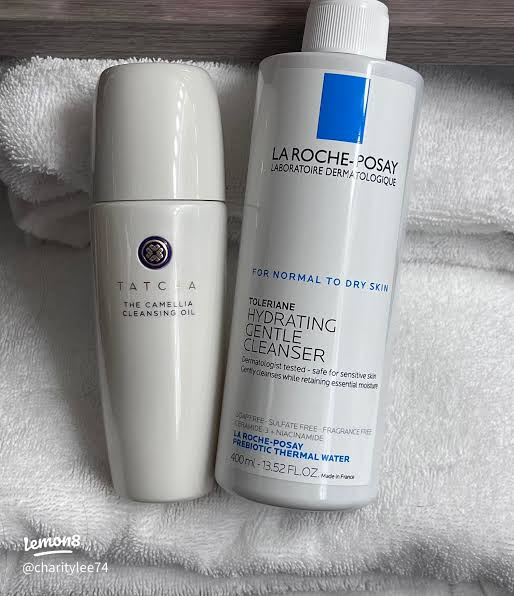
(Image Credit : @charitylee74)
The Catch: What “Where Required by Law” Actually Means
La Roche Posay’s official animal testing statement reads almost word for word like every other L’Oreal brand’s: they say they do not test their products or ingredients on animals anywhere in the world, “nor does La Roche Posay delegate this task to others,” with one carve out. That carve out is if a regulatory authority requires it for safety or approval purposes.
On paper, that sounds reasonable. In practice, it means the brand has chosen to keep selling in countries where that requirement still exists rather than pulling out of those markets the way some smaller cruelty free brands do. Cruelty free organizations don’t grade on intent. They grade on outcome, and the outcome here is that some La Roche Posay products may still be tested on animals before they’re allowed to be sold.
I’ve talked to a few readers who feel like this distinction is unfair, since the brand technically isn’t running the tests itself. I understand the instinct, but most cruelty free databases, including PETA and Cruelty Free Kitty, don’t make that exception. If a company knowingly sells into a market with mandatory testing, that’s enough to disqualify it.
What La Roche Posay’s Own Policy Actually Says
Digging through the brand’s public statements, there’s no attempt to hide the exception. It’s stated plainly, which is more transparent than some brands manage. But transparency about a policy doesn’t change what the policy allows.
L’Oreal, the parent company, has publicly pushed to end animal testing requirements globally and has invested in alternative testing methods for years. That’s a genuinely good thing, and it’s fair to give credit where it’s due. It just hasn’t translated into La Roche Posay being certified cruelty free by Leaping Bunny or PETA, and until Chinese regulations shift further (there have been some loosening in recent years for general cosmetics manufactured locally), that’s unlikely to change for imported product lines.
Does It Matter That La Roche Posay Is Owned by L’Oreal?
Ownership matters more than most shoppers realize. La Roche Posay operates as part of L’Oreal’s Active Cosmetics division, and cruelty free databases typically look at both the brand’s own practices and its parent company’s broader footprint.
L’Oreal as a corporation still tests on animals in specific circumstances tied to regulatory approval in certain countries. So even if La Roche Posay’s individual policy were airtight, which it isn’t quite, the parent company relationship would still raise flags for strict cruelty free shoppers who avoid supporting any revenue that flows up to a testing parent company.
Some people are fine with this and choose to support cruelty free-leaning brands under animal-testing parent companies anyway, on the theory that it nudges the whole portfolio in a better direction. Others draw a hard line. Neither approach is wrong, but you should know which camp you’re in before you check out.
Cruelty Free Status by Product: Toleriane, Cicaplast, Anthelios, and More
A question I get a lot is whether specific product lines are treated differently. Short answer: no, not really. Cruelty free status is assessed at the company level, not the individual SKU level, so whether you’re asking about the Toleriane Double Repair moisturizer, the Cicaplast Balm, an Anthelios sunscreen, or a basic cleanser, the underlying answer stays the same. If the parent brand isn’t cruelty free, none of its individual products get a pass just because they’re gentle, dermatologist tested, or marketed toward sensitive skin.
That said, sensitive skin formulas do tend to go through more rigorous safety testing overall, which is part of why La Roche Posay markets itself the way it does. Rigorous safety testing and animal testing aren’t the same thing, but they get conflated a lot in reviews, so it’s worth separating them clearly.
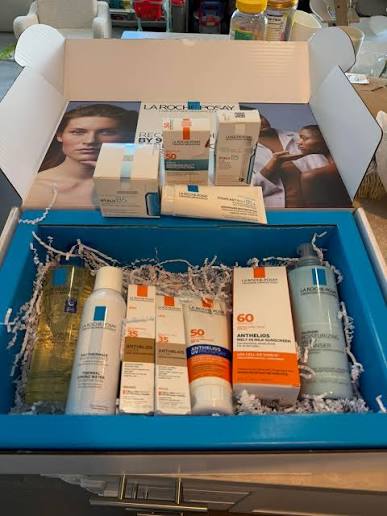
(image Credit: @POV Husband)
Is La Roche Posay Vegan Too?
Cruelty free and vegan are two separate labels, and this is where a lot of confusion creeps in. Cruelty free is about whether animals were used in testing. Vegan is about whether the product contains animal derived ingredients, like beeswax, lanolin, or certain collagen sourced additives.
Since La Roche Posay isn’t cruelty free by the standard definition, most vegan advocates wouldn’t classify anything from the brand as fully vegan either, even on products that happen to avoid animal ingredients. The animal testing piece is treated as disqualifying on its own, separate from what’s actually inside the tube.
Does This Vary by Country? US, UK, Canada, Australia, and Europe
I get versions of this question constantly: is la roche posay cruelty free in the US, is it different in the UK, what about Canada or Australia? The honest answer is that the company’s animal testing policy is global, not regional. A brand’s cruelty free status is based on the company’s overall practices, not on where you personally happen to be shopping.
So if you’re in the UK, Canada, Australia, or anywhere across Europe, the same underlying issue applies: La Roche Posay still sells into markets with mandatory testing requirements, which affects its status everywhere the brand is sold, regardless of your local laws around cosmetics testing.
Cruelty Free Alternatives to La Roche Posay
If you’re looking to swap out your routine, there are solid cruelty free options depending on what you’re replacing. For barrier repair and sensitive skin, brands like Vanicream and First Aid Beauty are commonly recommended as gentler, fully cruelty free alternatives. If you’re specifically after a Cicaplast style balm, look for a certified cruelty free multi purpose balm with centella asiatica or panthenol, both common in that category.
For sunscreen specifically, mineral formulas from cruelty free-certified brands have come a long way in the last few years and no longer leave the heavy white cast they used to. It might take a couple of tries to find your match, but the options exist now in a way they didn’t five years ago.
If you’re also reconsidering other drugstore staples, it’s worth checking Aveeno’s cruelty free status, since a lot of people cleaning up their sensitive skin routine end up asking about both brands in the same breath, and it runs into a nearly identical China related loophole.
Will La Roche Posay Ever Be Cruelty Free?
Possibly, eventually, but not on any confirmed timeline. Chinese regulations have already loosened for certain “general use” cosmetics manufactured domestically, and there’s ongoing pressure from consumers and advocacy groups on major beauty conglomerates to phase out animal testing requirements entirely. L’Oreal has been vocal about wanting testing requirements eliminated globally.
Until La Roche Posay either exits markets with mandatory testing or those markets change their laws further, the brand’s status isn’t likely to shift. If that’s a dealbreaker for you, it’s worth checking back periodically, since these policies genuinely do change as regulations evolve.
Frequently Asked Questions
Is La Roche Posay certified cruelty free by Leaping Bunny or PETA?
No. La Roche Posay does not hold Leaping Bunny certification, and PETA lists it under L’Oreal as a company that tests on animals.
Does La Roche Posay test on animals in the US or UK specifically?
The company’s animal testing policy applies globally, not on a country by country basis, so its cruelty free status doesn’t change depending on where you’re shopping from.
Are any La Roche Posay products actually cruelty free?
No, cruelty free status is evaluated at the brand level, so no individual product line, including Toleriane or Cicaplast, is treated as an exception.
Why isn’t La Roche Posay cruelty free if their website says they don’t test on animals?
Their policy includes an exception for when regulatory authorities require testing, which applies in markets like mainland China. That exception is enough to disqualify a brand from cruelty free status under most standard criteria.
What’s a good cruelty free alternative for sensitive skin?
Vanicream and First Aid Beauty are frequently recommended for people specifically looking to replace La Roche Posay’s sensitive skin lineup with fully cruelty free options.
The Bottom Line
La Roche Posay isn’t hiding anything, which almost makes this more frustrating. The policy is right there in plain language. It just includes a loophole big enough that every major cruelty free authority treats the brand as disqualified. Whether that’s a dealbreaker for you depends on how strict you want your definition of cruelty free to be, and that’s a genuinely personal call.
If you’re building out a fully cruelty free skincare routine and want to keep auditing your other favorites, our breakdown of Vanicream’s cruelty free status is a good next stop.