
I used to keep a running note on my phone called “skincare to try,” mostly links I never clicked. Then I spent about a year actually rebuilding my routine around cruelty-free skincare, one product at a time, and most of that note is gone now because I finally have answers. Not every purchase worked out. One serum sat in a drawer for three months before I admitted it wasn’t for me, and one cleanser I fully expected to hate ended up being the thing I recommend most. What follows are the seven cruelty-free skincare products that survived that year, the ones I’ve already repurchased more than once, plus what I wish someone had told me before I started checking every label.
What Cruelty-Free Skincare Actually Means Once You Start Checking Labels
Before I get into the products, it’s worth being clear about what cruelty-free skincare actually promises, because I got this wrong for longer than I’d like to admit. Cruelty-free means a product, and every ingredient in it, was never tested on animals at any stage of development. That’s it. It says nothing about whether the formula contains beeswax, lanolin, or carmine, which is where vegan comes in as a separate label entirely. A product can be cruelty-free without being vegan, and I own a few that are.
The two certifications actually worth trusting are Leaping Bunny and PETA’s Beauty Without Bunnies. Both require brands to confirm that their suppliers don’t test either, not just the finished product, which closes a loophole a lot of “cruelty-free” marketing quietly leans on. I check for one of these two logos before I check anything else now, price included.
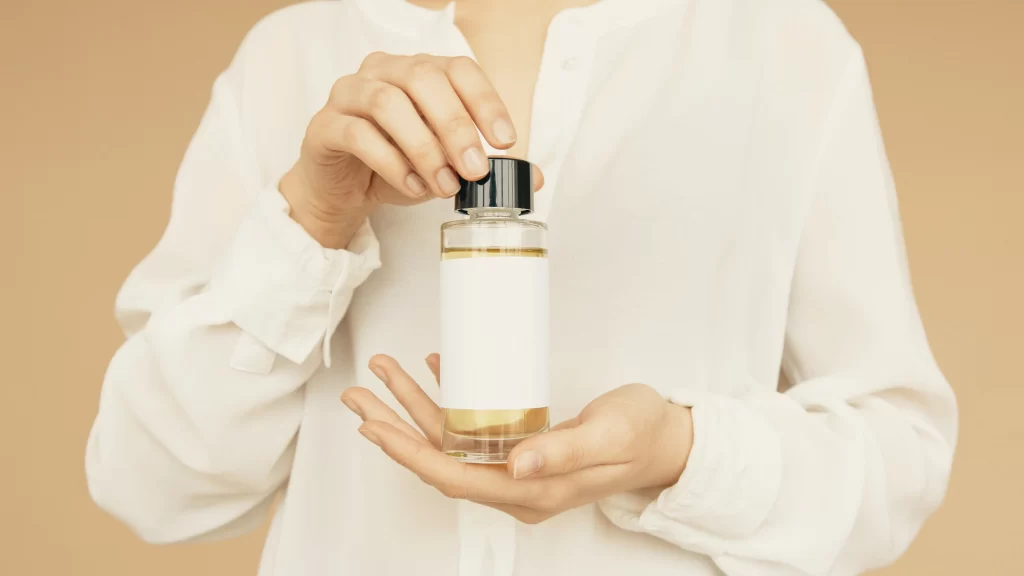
The Cleanser and Essence I Reach For Every Morning
My mornings start with Versed’s Press Restart Gentle Cream Cleanser, which was the very first cruelty-free swap I made, mostly because it was sitting on a shelf at Target and I didn’t want to order online and wait a week. It’s a cream cleanser, so it doesn’t foam or strip, which matters because my skin gets tight and flaky if I use anything with sulfates. Versed is Leaping Bunny certified and isn’t owned by a parent company that tests on animals, which is rarer than I expected once I started looking. At around $13, it also became my answer to anyone asking about affordable cruelty-free skincare, because it performs like something twice the price.
After cleansing, I pat on Then I Met You’s Living Water Essence, a Korean-formulated product built around fermented rice water and hyaluronic acid. I was hesitant about adding an essence step at all, it felt like an extra I didn’t need, but the difference in how my next serum absorbed convinced me within a week. Then I Met You is independently owned and confirmed cruelty-free, no parent company complications to research here. It’s a splurge next to the Versed cleanser, closer to $38, but I’ve repurchased it three times now and that’s the real test I use for whether something earns a permanent spot.
The Serum and Exfoliant That Took Longer to Win Me Over
The Ordinary’s Niacinamide 10% + Zinc 1% is the product I recommend the most and trust the least, if that makes sense. It’s cheap, it’s effective for the oil control and texture I was after, and DECIEM, the company behind The Ordinary, is Leaping Bunny and PETA certified. What I don’t love mentioning is that DECIEM is majority owned by Estee Lauder, a company that isn’t cruelty-free itself. I use the serum anyway. My rule is that I support the individual brand’s own certification and let that be enough, but I know plenty of people in cruelty-free skincare communities draw the line differently, and I don’t think they’re wrong to.
Paula’s Choice 2% BHA Liquid Exfoliant is the one that almost didn’t make this list. The first two weeks, my skin looked worse, a little raw, slightly more textured, and I nearly gave up on it entirely. I stuck with it because everyone whose opinion I trust kept telling me to wait it out, and by week four the difference in my pores and overall texture was the kind of change you actually notice in photos, not just in the mirror. Paula’s Choice is also owned by a non-cruelty-free parent, Unilever in this case, and is separately certified by both Leaping Bunny and PETA, which you can confirm directly through PETA’s Beauty Without Bunnies listing for the brand. That gap between a brand’s own certification and its parent company’s practices is something I wish more cruelty-free skincare guides explained clearly instead of glossing over.
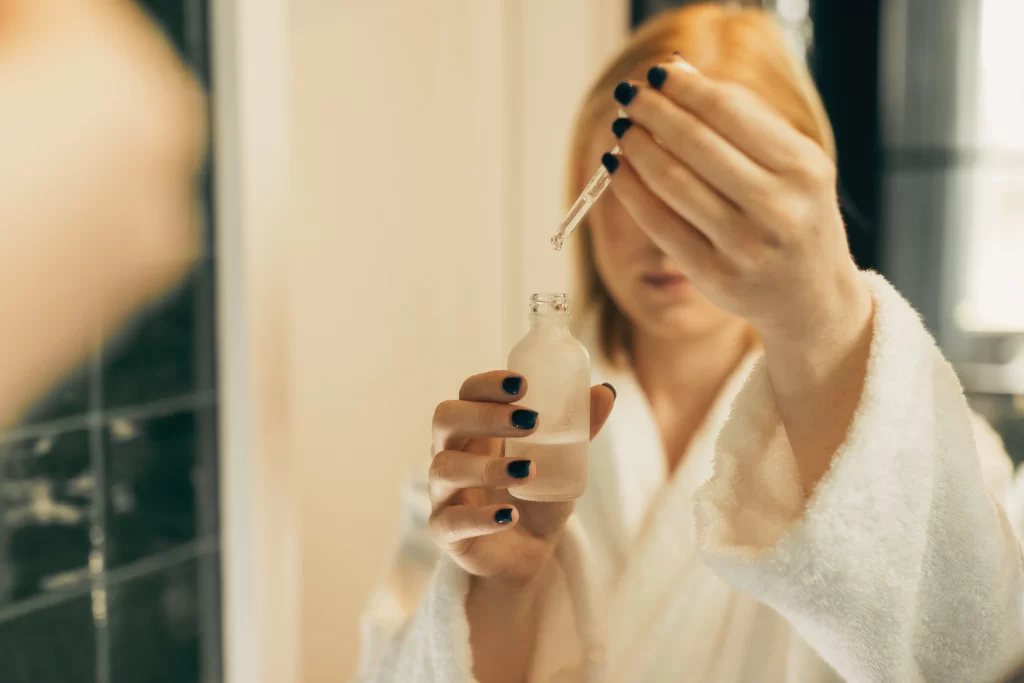
The Moisturizer and Eye Cream I Keep Repurchasing
First Aid Beauty’s Ultra Repair Cream is the moisturizer I’ve now bought in the full size, the travel size, and gifted twice. It’s thick without feeling greasy, works for the dry patches I get on my jaw in the colder months, and doesn’t cause the breakouts around my hairline that heavier creams used to. First Aid Beauty is PETA certified, though I’ll be honest that its parent company, Procter & Gamble, still tests on animals in markets where it’s legally required. I made peace with that distinction a while back, but I understand why some people in cruelty-free skincare spaces choose to avoid any brand under a testing parent entirely.
For the eye area, I use Youth To The People’s superfood-based eye cream, which leans lighter than a cream but heavier than a gel. It’s the most expensive item on this list, and I resisted buying it for months because the price felt hard to justify for something so small. What changed my mind was running out of it for two weeks during a trip and immediately noticing the puffiness come back. Youth To The People is certified cruelty-free by both PETA and Leaping Bunny, and even though L’Oreal owns a stake in the company, the brand operates independently on its animal testing policy.
The One Sunscreen I Actually Wear Every Day
I’ll admit sunscreen is the step in any skincare routine I’m most likely to skip, and Supergoop!’s Unseen Sunscreen is the only one that’s fixed that for me. It goes on completely clear, doubles as a primer under makeup, and I genuinely reach for it without being reminded, which after years of abandoning half-used sunscreen tubes is the only metric that matters to me now. Supergoop! is certified cruelty-free by both PETA and Leaping Bunny, and unlike a few of the other picks on this list, it isn’t owned by a parent company with a mixed record. If you’re building out cruelty-free skincare specifically around sun protection, this is the one I’d start with before anything else.
How I Check a Brand’s Cruelty-Free Claim Before I Buy
After a year of doing this, my process for checking a new brand is pretty short. I look for the Leaping Bunny or PETA logo on the product page first. If neither is there, I search the brand name plus “cruelty-free” and see whether an actual certification body confirms it, not just a claim on the brand’s own about page, since anyone can write “cruelty-free” on packaging with zero oversight. I also check whether the brand sells in mainland China’s physical stores, because that market has historically required animal testing for imported cosmetics, and a brand that sells there in person usually can’t call itself fully cruelty-free no matter what the label says.
For anything I’m unsure about, I cross-reference against a running list of verified cruelty-free brands rather than trusting a single source, since certification standards and brand ownership both change more often than people expect. It sounds like extra work for a five-minute purchase, but it took me about three tries before checking became automatic, and now it adds maybe thirty seconds before I add something to my cart.
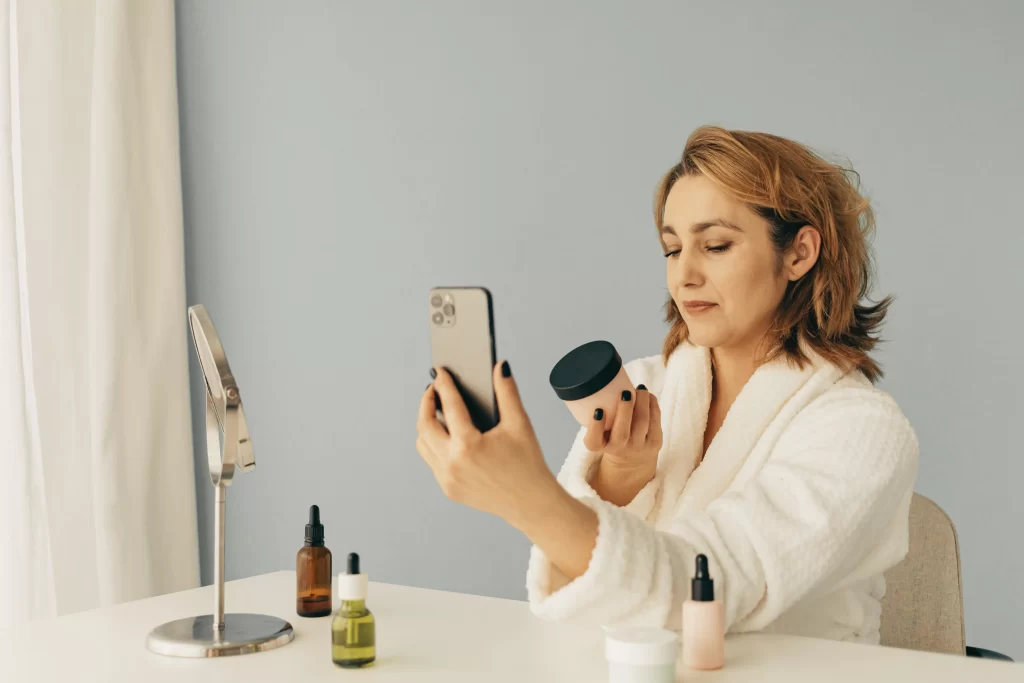
Cruelty-Free Skincare for Different Skin Types and Budgets
Not everything on this list will suit every skin type, so here’s how I’d point people toward specific picks. If you have sensitive skin, start with the Versed cleanser and skip straight to the First Aid Beauty moisturizer, both are about as low-reaction as cruelty-free skincare gets in my experience. For oily or acne-prone skin, The Ordinary’s niacinamide serum and the Paula’s Choice BHA are the two I’d prioritize, though I’d introduce the BHA slowly given how my own skin reacted at first. Dry or mature skin benefits most from the Then I Met You essence layered under the First Aid Beauty cream, that combination is the closest I’ve gotten to genuinely plump skin without anything heavier.
If budget is the deciding factor, Versed and The Ordinary together cost less than $30 and cover two of the most important steps in any routine. If you’d rather build up slowly, that’s exactly where I’d start before adding the higher-end picks like Youth To The People or Then I Met You. There’s no rule that says a cruelty-free skincare routine has to be expensive or complete on day one.
Frequently Asked Questions
Is cruelty-free skincare the same as vegan skincare?
No. Cruelty-free means the product and its ingredients weren’t tested on animals. Vegan means the formula contains no animal-derived ingredients like beeswax or lanolin. A product can be one without being the other.
How can I tell if a skincare brand is actually cruelty-free?
Look for a Leaping Bunny or PETA Beauty Without Bunnies certification on the product page or the brand’s site. A brand simply printing “cruelty-free” on the box without third-party certification is worth double-checking.
Are cruelty-free skincare products more expensive than regular ones?
Not necessarily. Prices span a wide range, from budget drugstore options like Versed and The Ordinary to higher-end picks like Youth To The People, the same spread you’d find in non-cruelty-free skincare.
Can a cruelty-free brand be owned by a company that isn’t cruelty-free?
Yes, and it’s more common than most people expect. Several brands on this list, including The Ordinary and First Aid Beauty, are independently certified cruelty-free while their parent companies still test on animals elsewhere.
Do cruelty-free skincare products work as well as other options?
In my experience, yes. None of the seven products here underperformed compared to non-certified alternatives I’d used before, and a couple outperformed products I’d previously paid more for.
The Takeaway
A year in, my honest opinion is that going cruelty-free was never really about finding one perfect swap, it was about being willing to research seven separate small decisions and let a few of them disappoint me along the way. The BHA that nearly went in the trash after two weeks is now the product I recommend first. That’s the part no roundup with twenty brands and zero testing behind it can really tell you.
If you’re extending the same habit past your face, I’ve done the same digging for cruelty-free hair care products and cruelty-free body wash, both worth a look once your skincare drawer is sorted. Start with one product, give it longer than a week before judging it, and let the list build itself from there.