
If you’ve got a bottle of Cetaphil Gentle Skin Cleanser sitting on your bathroom shelf right now, I want you to flip it over. Go ahead, I’ll wait. No bunny logo, right? That little missing icon is exactly why so many people end up here, typing some version of “is Cetaphil cruelty free” into Google at 11pm while holding the bottle up to the light like it’s going to confess something.
Here’s the short answer: no, Cetaphil is not cruelty free. Not by PETA’s standard, not by Leaping Bunny’s standard, and not by the standard most cruelty-free shoppers actually care about. I spent an evening going through Galderma’s own FAQ page, PETA’s cruelty-free database, and a stack of ingredient panels to figure out exactly where the line gets crossed, and it’s more specific than “they test on animals sometimes.” Let’s get into it.
Is Cetaphil Cruelty Free? The Direct Answer
Cetaphil is owned by Galderma, and Galderma’s own website states plainly that the company does not test Cetaphil products or ingredients on animals at any stage of development, manufacturing, or innovation. That part is true, and it’s the sentence every Cetaphil-defending comment section quotes.
But cruelty-free isn’t just about whether the company itself runs the test. It’s about whether animal testing happens anywhere in the chain, by anyone, for any reason — including a government. And that’s exactly where Cetaphil falls short. Galderma’s own FAQ adds the caveat that some health authorities may still require animal testing before a cosmetic product can be sold, and names China specifically as a market where this still applies. Selling in a market that mandates pre-sale animal testing is enough to disqualify a brand from cruelty-free status under virtually every recognized definition, PETA’s included.
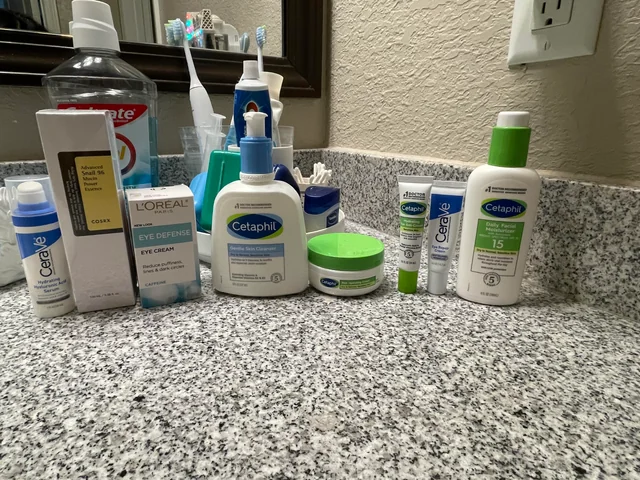
(Image Credits: r/SkincareAddiction)
What Galderma Actually Says (And What It Leaves Out)
I went digging on Galderma’s own site rather than trusting a summary of it, and the wording is careful in a way that’s worth noticing. The company says it doesn’t test “at any stage of our product innovation, development, or manufacturing processes.” Notice what’s missing from that sentence: it says nothing about what happens after manufacturing, once the finished product is sitting in a warehouse waiting to clear customs in a country with different rules.
That’s not a hypothetical gap. Cetaphil is sold in mainland China, and China has historically required imported general cosmetics to undergo animal testing before they hit store shelves, even when the manufacturer itself never lifted a finger toward an animal test. Recent regulatory changes there have opened a narrow exemption path for some “general” cosmetics that meet strict conditions, but Cetaphil hasn’t publicly confirmed it qualifies for that exemption across its full lineup. Until a brand can say, in plain language, “we do not sell anywhere that requires animal testing, full stop,” cruelty-free organizations treat that as a gap, not a technicality.
I’ll admit my first reaction reading Galderma’s statement was relief — it sounds thorough. It took a second read, and comparing it against how PETA actually defines the term, to realize the sentence was doing a lot of quiet work to avoid saying “sometimes, yes.”
Is Cetaphil Cruelty Free According to PETA?
This is the part most articles gloss over. PETA doesn’t just publish opinions about brands — it runs an actual database, and getting listed requires a brand to sign PETA’s statement of assurance confirming no animal testing anywhere in the supply chain, including third-party and government-mandated testing. PETA has named Cetaphil directly as one of several popular drugstore skincare brands that haven’t signed that statement or been added to its cruelty-free list, grouping it alongside CeraVe, Aquaphor, and Eucerin.
That’s a meaningfully different thing than “PETA hasn’t gotten around to reviewing them.” Brands can apply. Cetaphil hasn’t been added, which under PETA’s own framework means it’s classified as not cruelty free until that changes.
Are CeraVe and Cetaphil Cruelty Free? (They’re Basically Twins Here)
If you’ve bounced between CeraVe and Cetaphil trying to find the “better” one ethically, I have some slightly deflating news: they’re in the same boat. Both are gentle, ceramide-forward, dermatologist-favorite drugstore lines, and both share the exact same problem — sold in markets that require animal testing, and neither has signed on with PETA or Leaping Bunny. Switching from one to the other because you heard one was cruelty free won’t actually change anything.
Where they differ is mostly texture and formulation, not ethics. CeraVe leans harder on its ceramide-plus-hyaluronic-acid marketing; Cetaphil’s original Gentle Skin Cleanser has stayed almost unchanged for decades because dermatologists keep recommending it as-is. If cruelty-free status is your deciding factor, neither wins — you’ll want to look outside both brands entirely.
Which Cetaphil Products Are Vegan? (Not the Same Question)
Cruelty free and vegan get used interchangeably, and they shouldn’t be. Cruelty free is about animal testing. Vegan is about what’s actually in the bottle. A product can be 100% plant-derived and still have been tested on an animal at some point in its regulatory life, and that’s exactly Cetaphil’s situation with several products.
Cetaphil has reformulated a chunk of its lineup to drop animal-derived ingredients like tallow-sourced fatty alcohols, and the brand has publicly highlighted a handful of products built without parabens, sulfates, or animal-origin ingredients. So some individual Cetaphil products can reasonably be called ingredient-vegan. None of them are cruelty free, though, because the testing issue sits at the company and market level, not the ingredient level. If a brand isn’t cruelty free, most vegan shoppers I know skip it anyway on principle, even when a specific product’s ingredient list checks out.
Cetaphil Face Wash, Body Wash, Lotion, and Sunscreen: Any Exceptions?
People often ask about this product by product, hoping one specific item — the Daily Facial Cleanser, the Gentle Skin Cleanser, the Moisturizing Lotion, the baby line, the sunscreen — might be the exception. It isn’t, and it can’t really work that way. Cruelty-free status applies to the company’s testing and sales policies as a whole, not item by item. If Cetaphil as a brand sells into a market requiring animal testing, that status carries across the entire product line: face wash, body wash, lotion, sunscreen, baby products, all of it. There’s no version of Cetaphil that gets a pass because the formula happens to be simple or fragrance-free.
Cruelty Free Alternatives to Cetaphil
The good news: the gentle, sensitive-skin, fragrance-free niche Cetaphil occupies is one of the most well-covered categories in cruelty-free skincare right now, so you’re not giving up much by switching.
If your priority is a plain, no-frills cleanser, Vanicream is a genuinely close dupe worth checking against your own priorities, since it was built for the exact same “no fragrance, no fuss” sensitive-skin crowd. If you want something closer to a moisturizer swap, look at brands built specifically around Leaping Bunny or PETA certification rather than brands that merely claim they “don’t test” while staying silent on where they sell. I’ve gone through Aveeno’s cruelty-free status in detail here if you’re weighing that one too — it’s a similar story with a similar gap.
The honest trade-off: certified cruelty-free alternatives sometimes cost a couple dollars more per bottle, and a few have thinner distribution than a brand as huge as Cetaphil. For most people, that’s a small price for actually being able to trust the label.
Frequently Asked Questions
Is Cetaphil cruelty free in 2026?
No. Cetaphil’s policy hasn’t changed in any way that would qualify it for PETA or Leaping Bunny certification, and it’s still sold in markets that can require animal testing before sale.
Does Cetaphil test on animals directly?
Galderma states it doesn’t run animal tests on Cetaphil products itself. The issue is third-party and government-mandated testing tied to selling in certain markets, which the company doesn’t fully rule out.
Are CeraVe and Cetaphil both cruelty free?
No, neither is. Both are owned by different parent companies but share the same underlying problem: sales in markets requiring animal testing, with no PETA or Leaping Bunny certification.
Is any Cetaphil product actually vegan?
Some individual products are formulated without animal-derived ingredients. That’s a separate claim from cruelty free, though, and doesn’t change the brand’s overall testing status.
Why hasn’t Cetaphil just gotten certified if it doesn’t test on animals directly?
Certification requires signing a statement covering the entire supply chain and every market the brand sells in. Cetaphil’s presence in markets like China makes that statement harder to sign truthfully, which is likely why it hasn’t pursued certification.
The Bottom Line
Cetaphil isn’t secretly cruel in some dramatic way, and Galderma’s statement isn’t a lie so much as a carefully incomplete truth. But “we don’t test” and “cruelty free” aren’t the same sentence, and the gap between them is exactly where Cetaphil sits. If that matters to you, the switch to a certified alternative is easier than it used to be, and your skin barrier won’t notice the difference.
If you’re rethinking your whole routine anyway, it’s worth running the same check on the other drugstore staples in your cabinet — you might be surprised which ones actually clear the bar.