
There’s a moment every few years when you notice something shift in fashion — not just a new color or hemline, but something deeper. A feeling that the clothes hitting the runways and your Instagram feed are pulling from somewhere far more interesting than last season’s trend reports. That’s exactly what’s happening right now, and it’s been building for a while.
Cultural influences in fashion aren’t new. But the way they’re playing out in 2026 — the specificity, the depth, the global reach — is genuinely unlike anything the industry has seen before. This isn’t about a designer dropping a “tribal print” collection and calling it inspired. This is Nigerian streetwear influencing Seoul. Korean minimalism reshaping how Parisian brands think about outerwear. Black American style doing what it’s always done: setting the tone while the rest of the world scrambles to catch up.
If you’ve been trying to understand why your wardrobe suddenly feels like a passport — or why a style from a Lagos street market ends up on a New York runway six months later — here’s the full picture.
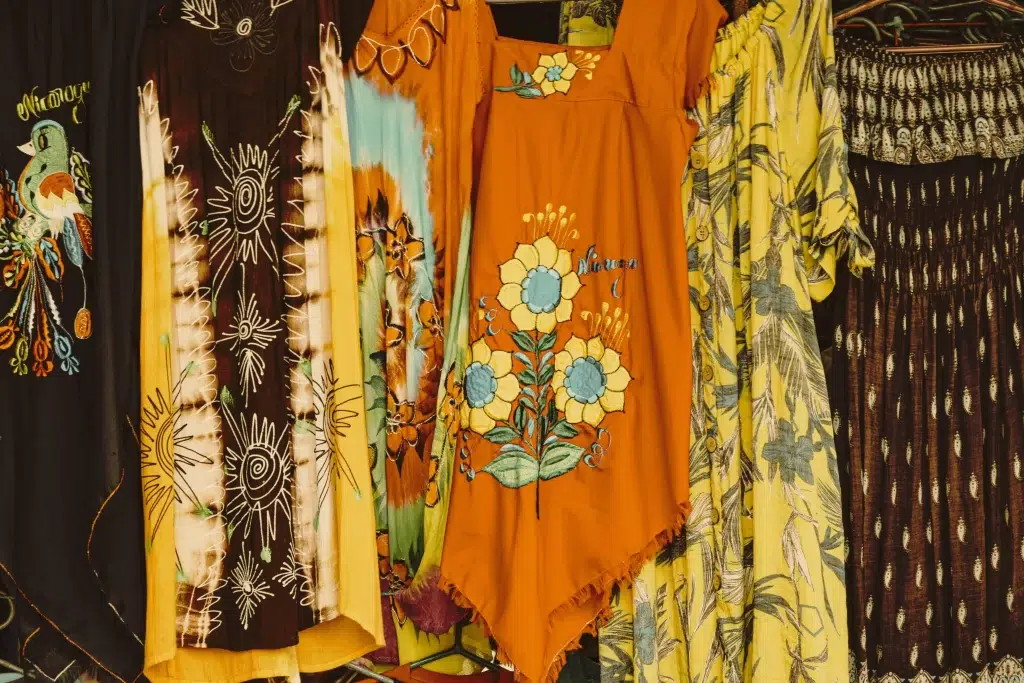
Why Cultural Influences in Fashion Hit Different Right Now
Before getting into the 7 styles, it’s worth understanding why this moment feels so charged.
Social media didn’t just speed up trend cycles — it collapsed geography. A designer in Mexico City posts a video of a traditional embroidery technique, and within 48 hours global brands are sending DMs. A streetwear drop in São Paulo sells out in Seoul on the same day. The gatekeeper model of fashion — where Paris decided what was relevant, full stop — is genuinely over.
What replaced it is messier, more democratic, and honestly far more interesting. Seventy-eight percent of consumers say social media content now influences what they buy. That influence increasingly runs in every direction, not just West-to-everywhere-else. And the brands paying attention are the ones winning.
The other shift is about values. In 2026, bragging about where something came from — “handmade by a third-generation weaver in Oaxaca” — carries more social currency than a logo. Authenticity isn’t just a marketing buzzword anymore. It’s what people are actually shopping for.
With that context, here are the 7 cultural forces reshaping what you wear.
1. Black Culture Fashion: The Style World Keeps Borrowing From
Let’s start here, because you can’t talk about global fashion influence without being honest about this one. Black culture — across the diaspora, from Harlem to Lagos to London — has shaped mainstream fashion more consistently than any other single cultural force. It just hasn’t always been credited.
Right now, that’s changing, and the Afro-Deco movement is the clearest example. Originating from African design traditions fused with 1920s Art Deco aesthetics, it’s producing some of the boldest fashion of 2026: metallic embroidery on structured silhouettes, bold geometric prints worn with intention and weight. It’s not background texture. It’s the whole point.
Black streetwear has matured into something even more culturally specific and globally influential. Local pride graphics — regional slang, folk art, neighborhood landmarks turned into wearable statements — are defining what streetwear means in cities like Atlanta, Lagos, and London simultaneously. The T-shirt as a postcard. The hoodie as a manifesto.
What makes this particular cultural influence so powerful is that it has never been about trend-chasing. It’s always been about identity. That authenticity is exactly why everyone else keeps borrowing from it.
What to look for: Ankara and kente-cloth blazers, Afrocentric jewelry with architectural shapes, oversized graphic pieces that reference specific places and communities rather than vague “culture.”
2. East Asian Minimalism: The Quiet Revolution in How We Dress
Korean fashion has done something remarkable. It took the global obsession with K-pop and K-drama and quietly pivoted it into something far more lasting: an aesthetic that’s now influencing how European streetwear brands think about proportion, layering, and color.
The core shift is gender-neutral. Korean fashion has been normalizing fluid silhouettes — oversized on top, relaxed at the bottom, layers that don’t signal gender — for years. Western brands are now following, not leading. The oversized layering techniques that feel fresh in contemporary European collections? Seoul was there first.
Japanese design philosophy adds another dimension entirely. Where Korean fashion plays with proportion and softness, Japanese design grounds everything in function, longevity, and the kind of quiet quality that announces itself only when you look closely. The 2026 expression of this is what some are calling “wabi-sabi dressing” — clothing that values imperfection and wear over pristine newness. Kintsugi-inspired repair aesthetics, fabrics that look better after years of use, garments designed to be passed down rather than recycled after one season.
Together, East Asian fashion influences are reframing the luxury conversation. Loud logos are no longer the whole story. Intention and craft are.
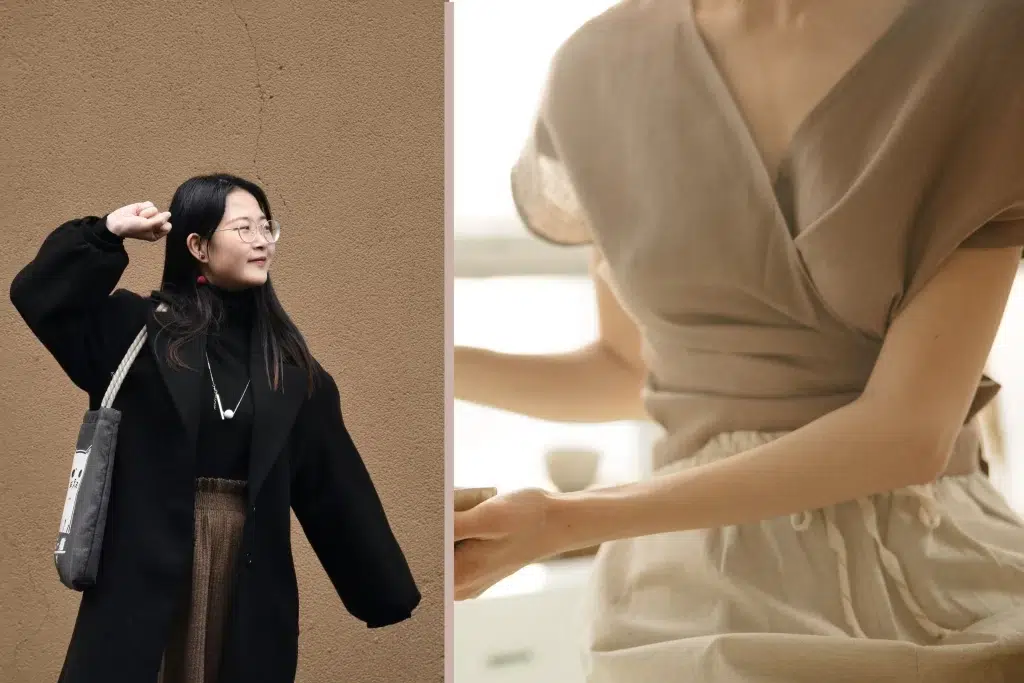
What to look for: Gender-neutral color palettes in sand, slate, and stone. Functional luxury accessories. Structured pieces with traditional craft details you have to lean in to see.
3. African Fashion: From Regional Pride to Global Runways
There’s a reason African wax prints started appearing on New York street style before they hit the runways. African fashion — and here it’s worth being specific, because the continent contains multitudes — has been building its own robust creative ecosystem for decades. The global industry is only now catching up.
West African fashion, anchored in the boldness of Ankara fabric and the storytelling woven into kente cloth, has become a dominant force in international collections. These aren’t background patterns anymore. They’re the centerpiece. Beadwork from East African craft traditions has moved from ceremonial into everyday collector-level pieces — beaded slides handmade in Nairobi, tufted jackets with ancestral embroidery designed for the main stage rather than tourist markets.
North African fashion brings something different: the flowing structure of kaftans with intricate geometric patterns, the way drape and coverage create elegance rather than restraint. Those silhouettes are influencing Western eveningwear in ways that feel genuinely fresh because they come from a completely different aesthetic logic.
The Afro-Deco movement mentioned in the Black culture section connects here too — it’s specifically the fusion of traditional African motifs with a 1920s architectural sensibility, and it’s producing some of the most visually striking fashion of 2026.
What to look for: Ankara and batik statement pieces, beadwork used as hero accessories rather than accents, kaftan-inspired evening silhouettes, and brands with genuine artisan partnerships rather than print-pulled-off-Google.
4. Indian Craftsmanship: The Embroidery Influencing Everything
Indian fashion influence has always been present in Western design — you’ve been seeing it in embellishment for decades. What’s shifted is how it’s being used and, more importantly, who’s getting credit.
Traditional Indian embroidery techniques — intricate hand-stitched patterns that take artisans weeks to complete — are now explicitly cited by designers as inspiration rather than quietly absorbed and repackaged. Sustainable fashion’s growing influence is part of this: techniques like khadi spinning (hand-spun cotton that Gandhi made a symbol of self-reliance) are being adopted by brands specifically because of their cultural weight and environmental story, not just their texture.
The saree’s influence on modern silhouettes is also worth noting. The drape, the way fabric moves around the body, the six-yard logic of wrapping rather than constructing — these ideas are showing up in contemporary eveningwear from designers nowhere near India who’ve clearly been studying the construction. Pair that with the mandarin collar’s integration into workwear, and you start to see how South Asian aesthetics have moved from “exotic inspiration” into foundational design logic.
Indian fashion also has a specific relationship to colour that’s influencing global palettes. The saturated saffrons, deep magentas, and botanical greens appearing in 2026 collections trace back to a colour philosophy rooted in Indian textile traditions, even when the brands using them are based elsewhere.
What to look for: Heavily embellished pieces with visible craft provenance, draped silhouettes in silk or silk-adjacent fabrics, colour saturation in unexpected combinations, and the increasing presence of Indian artisan collaborations on brand pages.
5. Latin American Style: Colour, Craft, and Community
Latin American fashion has always had a distinctive relationship with colour — saturated, bold, unafraid — and in 2026 that confidence is arriving globally at exactly the right moment. After years of quiet luxury and tonal dressing, people are genuinely hungry for something that doesn’t whisper.
Mexican textile traditions are at the center of this. Traditional embroidery techniques from Oaxaca and Chiapas — hand-stitched florals, geometric border patterns, the kind of craft that takes generations to master — are being celebrated rather than quietly sourced. Brazilian fashion brings a different energy: the movement-forward, body-conscious designs that make sense for a culture that spends a lot of time outdoors, combined with a streetwear energy coming out of São Paulo that’s increasingly in dialogue with Seoul and Lagos.
The cross-cultural collaboration angle is particularly alive in Latin American streetwear. Brazilian labels partnering with South Korean graphic artists, Mexican designers doing simultaneous drops in multiple cities — the “local brand with global thinking” model was arguably pioneered in Latin America before anyone else made it a strategy.
The boho-chic resurgence that saw searches jump 25% in 2025 continues to influence fashion in 2026 also draws heavily from Latin American folk traditions — the flowing silhouettes, artisanal textures, and hand-crafted detail that defines the aesthetic have deep roots in Mexican and Guatemalan craft communities.
What to look for: Bold embroidery on relaxed silhouettes, saturated colour combinations (think terracotta-and-cobalt rather than muted-and-tonal), artisan-made accessories with a clear provenance story, and the boho revival done with actual cultural specificity rather than vague “festival” energy.
6. Middle Eastern Fashion: Modest Style Goes Mainstream
Modest fashion isn’t niche anymore. It never was for the hundreds of millions of people for whom it was always the default — but the global fashion industry has spent decades treating coverage as an afterthought. That’s changing fast, and the cultural influence driving it is largely Middle Eastern.
The integration of Ramadan, Eid, and other cultural and religious calendars into global brand release schedules is one signal. Major labels that once ignored these moments now plan around them, creating capsule collections that center modest silhouettes, specific colour palettes, and fabric choices appropriate for celebration rather than just resort travel.
The kaftan has already done its lap as a global silhouette — borrowed from North African and Middle Eastern tradition, now appearing in every Western luxury brand’s summer collection. The more interesting development is the modest-first design logic filtering into everyday collections: longer hemlines, fuller sleeves, elevated coverage that isn’t shy about itself. These aren’t concessions to a market segment. They’re design choices that happen to be genuinely wearable for more people.
Luxury modest fashion specifically — where quality construction and cultural identity converge — is one of the fastest-growing segments in the industry. The Middle East’s growing role as a fashion market (with markets in the Gulf region expanding rapidly) means brands are designing for these consumers rather than retrofitting existing collections.
What to look for: Flowing abayas in elevated fabrics crossing into evening wear, modest-first capsule collections from mainstream brands, the kaftan silhouette in luxury fabrications, and headwear incorporated into editorial styling rather than treated as separate from the fashion conversation.
7. Indigenous and Folk Traditions: The Craftcore Movement
The last cultural influence on this list might be the most significant shift in terms of values, not just aesthetics. Craftcore — the trend toward handmade, artisanal, ancestral techniques — is rewriting what fashion even means for a generation of buyers.
This isn’t the cosy DIY version of craft. It’s beadwork, raw-edge weaving, tufted jackets, hand-stitched narratives that carry the identity of specific communities. Young designers worldwide are reviving indigenous craftsmanship not as heritage display but as the main event. When you buy a piece rooted in a specific folk tradition, you’re buying the hours of human labour, the cultural knowledge, the unbroken line from an ancestor who knew this technique. That carries more weight than a logo right now — and the market is responding accordingly.
Peruvian backstrap weaving, Japanese sashiko stitching, Indigenous beadwork from North American communities — all are being adapted for contemporary fashion with varying degrees of authenticity and partnership. The distinction matters: collaboration with artisan communities, where the makers see the economic benefit and the cultural credit, is what separates meaningful Craftcore from appropriation wearing a linen apron.
The thrifting evolution feeds into this too. Gen Z aren’t just thrifting for affordability. They’re hunting for pieces with provenance — 1980s East African pieces, vintage Filipino streetwear, rare finds that carry a specific cultural moment. Clothes with history, as one commentator put it, now carry more cultural clout than anything new off the rack.
What to look for: Pieces that name the specific technique or community behind the craft, beadwork and embroidery as centrepieces rather than trim, collaboration labels that credit the artisan community, and brands whose provenance story is as prominent as their design story.
The Question Nobody Wants to Answer: Appreciation vs. Appropriation
Every conversation about cultural influences in fashion eventually arrives here, and it’s worth addressing directly.
The line between appreciation and appropriation isn’t always obvious, but it’s rarely as blurry as brands claim when they get it wrong. The clearest signal is economic: is the community whose culture is being referenced seeing any of the benefit? A designer who sources a traditional pattern from an artisan community, pays fairly, credits openly, and builds a relationship — that’s cultural exchange. A fast fashion brand pulling that same pattern off a search engine and mass-producing it without acknowledgment — that’s a different thing entirely.
Context matters enormously too. Wearing a print is different from wearing a sacred ceremonial garment. Understanding that difference, even briefly, before you buy something is part of what it means to engage with global fashion thoughtfully rather than just aesthetically.
The good news is that more consumers are asking these questions than ever before. And more brands are being held to answers.
Frequently Asked Questions
What are cultural influences in fashion?
Cultural influences in fashion refer to the ways traditions, heritage, aesthetics, and values from specific communities and regions shape clothing design, styling, and trends. Everything from traditional textile techniques to historical garments to contemporary street style from specific cities constitutes a cultural influence. In 2026, these influences move globally faster than ever through social media and cross-cultural collaboration.
How does black culture influence fashion?
Black culture — across the African diaspora including communities in the United States, West Africa, the Caribbean, and the UK — has been one of the most consistent and significant forces in global fashion for decades. Streetwear, sneaker culture, Afrocentric aesthetics, and specific silhouettes and styling approaches that originated in Black communities have been adopted and widely popularized by mainstream fashion. Increasingly, this influence is being acknowledged and compensated rather than quietly absorbed.
What is the difference between cultural appreciation and cultural appropriation in fashion?
Cultural appreciation involves engaging with another culture’s fashion traditions with understanding, respect, and — ideally — direct support for the people and communities from that culture. Cultural appropriation happens when those elements are taken without credit, context, or benefit to the originating community. In fashion, the clearest markers are: Does the brand credit the cultural source? Are artisans from that community involved and compensated? Is the cultural element being used in a way that respects its original significance?
Which cultures have the biggest influence on fashion right now?
In 2026, the most visible cultural influences come from Black American and African fashion, East Asian (particularly Korean and Japanese) aesthetics, South Asian craftsmanship, Latin American textile traditions, Middle Eastern modest fashion, and a broader revival of indigenous folk craft traditions globally. These don’t operate in isolation — some of the most interesting contemporary fashion comes from where these influences intersect.
How can I wear culturally influenced fashion respectfully?
Research the origin of what you’re wearing. If it’s a traditional pattern or garment with specific cultural meaning, understand that meaning before wearing it, particularly in contexts where it might be misread. Support brands that work directly with artisan communities and credit their sources. Avoid wearing ceremonial or sacred garments outside their intended context. And when in doubt, buying directly from designers and brands rooted in that culture is almost always the right move.
The Bigger Picture
Fashion has always been a record of where cultures have touched each other — through trade, migration, conflict, collaboration, and creativity. What’s different now is the speed, the scale, and the growing expectation that the exchange should be mutual.
The seven cultural influences outlined here aren’t trends in the seasonal sense. They’re movements, rooted in communities and histories that existed long before any runway showed up to notice. The fashion industry’s job — and yours as a consumer — is to engage with them honestly.
The most exciting wardrobes right now aren’t the ones chasing what’s next. They’re the ones built around pieces that mean something, from somewhere specific, made by people who know exactly what they’re doing.
That’s not just good style. That’s the point.
Want to go deeper? Explore our guides on [black culture fashion trends], [sustainable fashion brands worth knowing], and how to build a wardrobe with intention.