
If you’ve ever stood in the Sephora aisle holding that pink jar of Water Sleeping Mask, wondering whether your K-beauty favorite is secretly testing on animals, you’re not alone. It’s one of the most-searched questions in the cruelty-free beauty space, and the answer isn’t as simple as a yes or no on a label.
Here’s the short version: Laneige is not currently recognized as cruelty free by the two organizations that matter most, PETA and Leaping Bunny. But the full picture is more layered than that, and it matters for how you shop. Let’s walk through the five facts you actually need before you toss another lip mask in your cart.
Fact 1: Laneige Isn’t Certified by PETA or Leaping Bunny
Let’s start with the two names that actually carry weight in the cruelty-free world. Leaping Bunny and PETA both require brands to sign a formal pledge and go through a verification process before they get the bunny stamp. Laneige hasn’t done either, and PETA’s own cruelty-free brand page confirms the brand still hasn’t joined their list.
That doesn’t automatically mean a brand is a monster behind the scenes. Plenty of smaller, genuinely ethical brands skip certification because of the cost or paperwork involved. But for a brand the size of Laneige, backed by a massive parent company with the resources to get certified in a heartbeat, the absence is telling. So when people ask “is Laneige a cruelty-free brand,” the honest answer starts here: no independent body has confirmed it.
Fact 2: Its Parent Company Sells in Mainland China
This is the fact that trips up most shoppers who assume “is Laneige animal cruelty free” is only about what happens in a lab in Korea. Laneige is owned by Amorepacific, and Amorepacific sells products in mainland China, a market that has historically required animal testing on imported cosmetics before they can hit store shelves.
Here’s why that matters even if Laneige itself never wants to harm an animal: once a product is sold in a market with mandatory testing requirements, the brand can no longer promise that no testing happened anywhere in the chain. This is exactly why cruelty-free trackers list Laneige as not cruelty-free, and it answers the “did Laneige do animal testing” question more accurately than a simple company statement ever could.

Fact 3: Laneige’s Own Policy Has a Loophole
Dig into Laneige’s official policy on animal testing and you’ll notice careful wording. The brand states it doesn’t conduct animal testing itself and doesn’t ask others to do it on its behalf, but it also includes an exception for cases where testing is required by law or regulatory bodies.
That single clause is doing a lot of work. It’s the difference between “does Laneige test on animals” having a clean no and having an honest “only when a government makes them.” For anyone building a strict cruelty-free routine, that exception is usually a dealbreaker, since true cruelty-free brands typically pull out of markets entirely rather than accept those terms. This is also the root of why so many people search “why is Laneige not cruelty-free” after reading the brand’s own FAQ page and feeling like something doesn’t add up.
Fact 4: Vegan Doesn’t Mean Cruelty-Free (and Vice Versa)
This is where a lot of confusion happens with specific products like the Lip Sleeping Mask, the Lip Glowy Balm, and the classic lip balm line. People often assume that if a product doesn’t contain animal ingredients, it must also be cruelty-free. It’s not that simple.
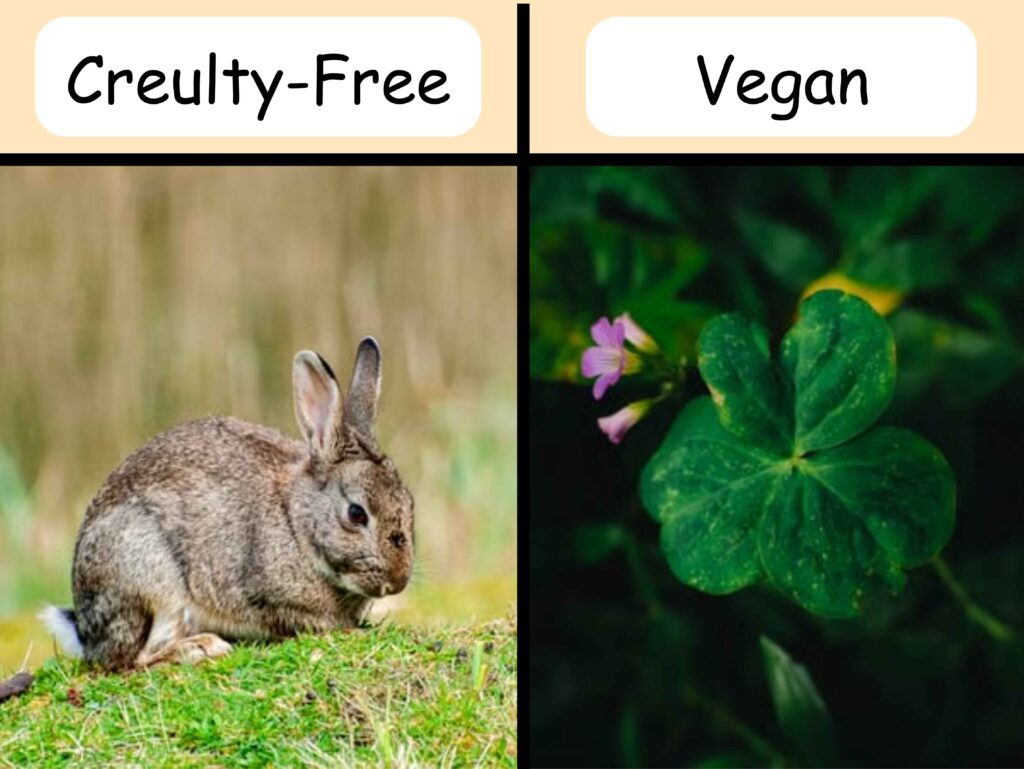
Cruelty-free is about testing. Vegan is about ingredients. A product can be 100% plant-based and still have been tested on animals somewhere in its life cycle, and a product with animal-derived ingredients like beeswax could theoretically come from a company with zero animal testing. So when someone asks “is the Laneige lip mask cruelty-free” or “is Laneige vegan and cruelty-free,” you actually need to answer two separate questions. On the vegan side, some Laneige products do contain animal-derived ingredients, so it isn’t a fully vegan lineup either. On the cruelty-free side, the same testing concerns from Facts 1 through 3 apply across the whole product range, including the lip sleeping mask and lip balm specifically, since cruelty-free status is judged at the company level, not the individual product level.
Fact 5: You Don’t Have to Give Up the Routine You Love
Here’s the part most articles skip. If you’ve built your whole nighttime routine around that jelly-textured moisturizer or you’re loyal to a specific lip treatment, you don’t need to just feel guilty and move on. There are genuinely cruelty-free dupes out there that nail the same texture and glow without the same ethical question marks.
If you’re chasing that dewy, plumped finish, our Charlotte Tilbury moisturizer dupes roundup has options that perform just as well and come from brands with cleaner cruelty-free records. And if your concern extends beyond the products themselves to the tools you’re using to apply them, it’s worth checking your cruelty-free makeup brushes too, since brush bristles are one of the most overlooked parts of a truly ethical routine.
Switching isn’t about guilt. It’s about making sure your money goes toward the brands actually doing the work.
Frequently Asked Questions
Is Laneige cruelty free right now?
No. As of the most recent brand assessments, Laneige is not certified cruelty-free by PETA or Leaping Bunny, and its parent company’s presence in markets with mandatory animal testing keeps it off most cruelty-free lists.
Is Laneige cruelty-free and vegan?
No to both, and they’re separate issues. The brand isn’t cruelty-free certified, and several of its products contain animal-derived ingredients, which also rules out a fully vegan status.
Is the Laneige Lip Sleeping Mask cruelty-free?
No. Cruelty-free status applies to the whole company, not a single product, so the Lip Sleeping Mask carries the same concerns as the rest of the Laneige lineup.
Why isn’t Laneige cruelty-free if they say they don’t test on animals?
Because their policy includes an exception for testing required by law, and their parent company sells in markets like mainland China where that requirement has historically applied to imported cosmetics.
Will Laneige ever go cruelty-free?
It’s possible. Brands can shift policies, drop out of markets with mandatory testing, or pursue certification over time. Nothing suggests an imminent change, but cruelty-free trackers do revisit brand statuses regularly, so it’s worth checking back if this matters to your routine.
At the end of the day, “is Laneige cruelty free” isn’t a trick question, it’s just one with a more layered answer than a yes or no sticker can capture. Once you know where the gaps are, whether it’s the missing certification, the parent company’s footprint in China, or the fine print in their own testing policy, you get to decide what actually matters for your routine.
If this is the moment you’re rethinking a few products in your bag, start small. Swap one thing at a time, check the dupes, and build a routine you feel good about from the brushes to the last drop of moisturizer.